With more than 10‑year industry experience, Shandong Headpowder delivers full‑service pneumatic‑conveying systems and blowers, undertaking nationwide turn‑key powder‑handling projects.
The iron sand pneumatic conveying system is a specialized equipment designed to transport iron sand, a critical raw material in various industrial applications. This system utilizes pneumatic principles to move iron sand particles through a pressurized air stream, offering a non-contact, low-maintenance method of material handling compared to traditional mechanical systems. The efficiency and reliability of the system are paramount for industries that require consistent and high-quality iron sand supply, such as steel manufacturing, foundries, and mineral processing.
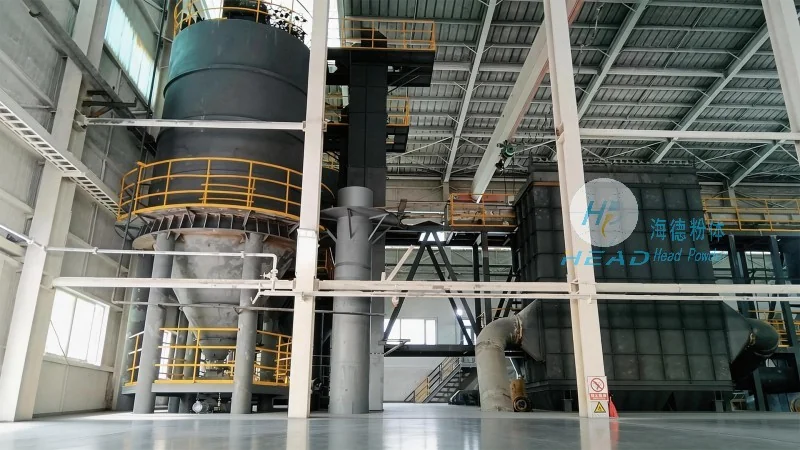
HeadPowder, headquartered in Shandong, China, has been at the forefront of developing advanced pneumatic conveying solutions for over [years, if possible, but keep it general]. The company's expertise lies in understanding the unique characteristics of iron sand, including its abrasive nature, varying particle sizes, and moisture content, and tailoring the system design to address these challenges effectively. By leveraging cutting-edge technology and rigorous quality control, HeadPowder ensures that its iron sand pneumatic conveying systems meet the highest industry standards.
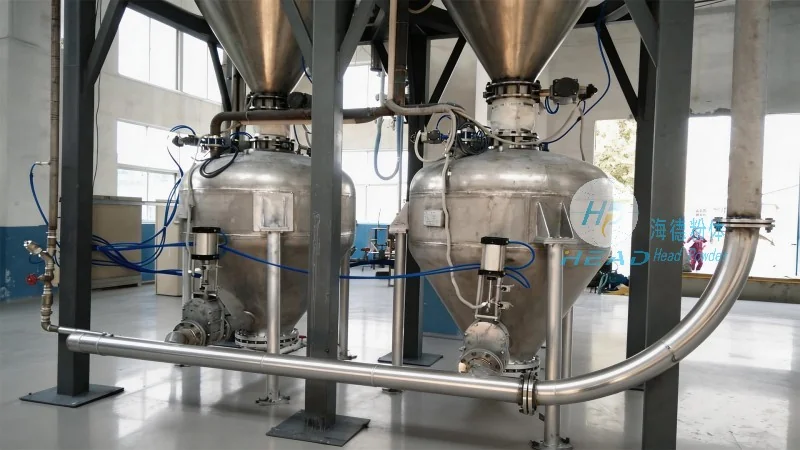
The structural principle of the iron sand pneumatic conveying system revolves around the integration of several key components that work in tandem to achieve seamless material transport. Each component is engineered to handle specific functions while maintaining overall system efficiency and durability.
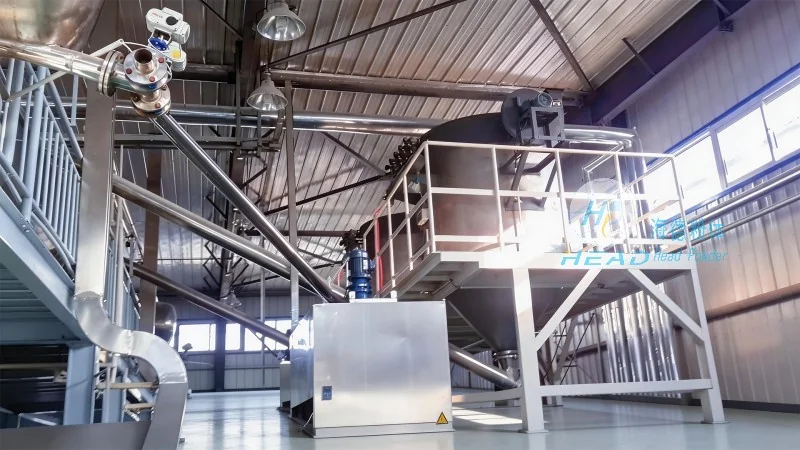
The material feeding unit is the entry point of the system, responsible for delivering iron sand from the storage hopper to the conveying line. This unit typically features a hopper with a discharge valve or feeder that can regulate the flow rate based on system requirements. The design of the hopper and feeder is crucial to prevent material bridging or clogging, which can disrupt the entire conveying process. For iron sand, which is often fine and cohesive, the feeding unit may include vibration or agitation mechanisms to ensure consistent material flow.
The air supply system is the heart of the pneumatic conveying process, generating the necessary pressure and airflow to move the iron sand particles. A high-efficiency blower or compressor is used to produce compressed air, which is then filtered and conditioned to remove moisture and contaminants. The air pressure is typically maintained at a level that is sufficient to overcome the resistance of the conveying line and the weight of the iron sand particles. The flow rate is adjustable, allowing operators to optimize the system for different iron sand characteristics and conveying distances.
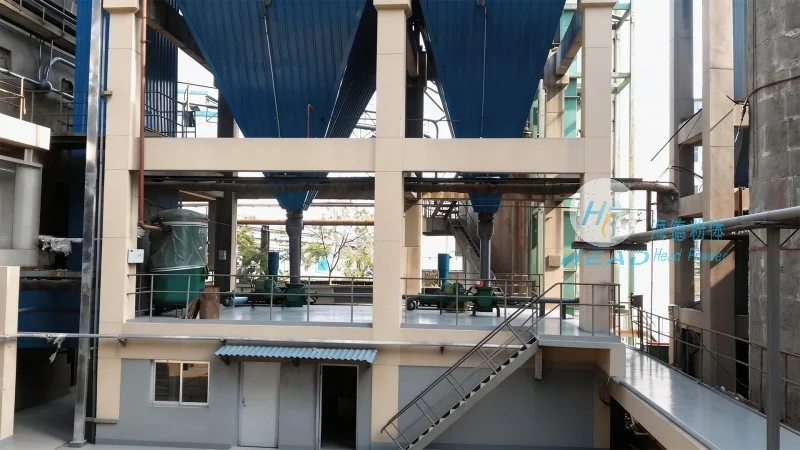
The conveying line is a critical component that transports the iron sand through the system. It is constructed from materials resistant to the abrasive properties of iron sand, such as stainless steel or high-grade polyethylene. The line is often equipped with smooth, internal surfaces to minimize friction and reduce wear. To accommodate changes in direction, the system includes bends, elbows, and other fittings that are designed to maintain minimal pressure loss. The line may also feature pressure relief valves to prevent over-pressurization and ensure safety.

 Shandong Headpowder Engineering Co., Ltd.
 156-6277-7102(Manager Zhang)
  0531-83386006
  Zhangqiu District, Jinan City, Shandong Province, China
telephone
WeChatconsult
top