With more than 10‑year industry experience, Shandong Headpowder delivers full‑service pneumatic‑conveying systems and blowers, undertaking nationwide turn‑key powder‑handling projects.
Polycarbonate pneumatic conveying systems represent a sophisticated solution for material handling in various industrial applications. These systems utilize air or gas to transport bulk materials, offering advantages such as dust-free operation, flexibility in layout, and the ability to handle a wide range of materials, including those that are sensitive to moisture or contamination. Understanding the core components and design principles of such systems is crucial for selecting the right equipment for specific operational needs.
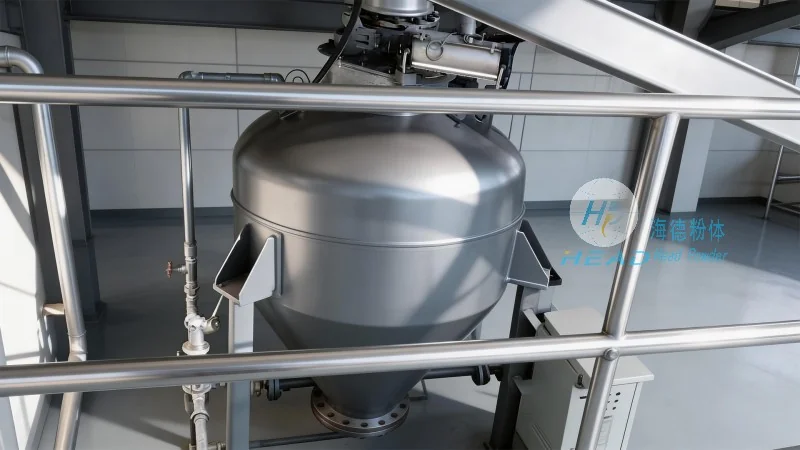
At the heart of a polycarbonate pneumatic conveying system lies the use of polycarbonate materials for key components, which are chosen for their excellent chemical resistance, impact strength, and transparency. These properties make polycarbonate ideal for applications where the conveyed material may be abrasive or where visibility is required for monitoring the conveying process. The system typically consists of a hopper for material storage, a conveyor line where the material is transported by air, and a collection bin for the received material. The entire setup is designed to ensure efficient and reliable material transfer while maintaining low maintenance costs and high operational efficiency.
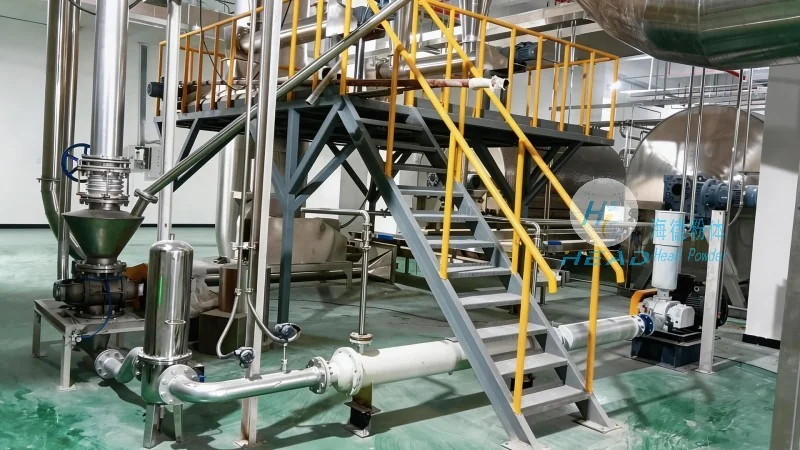
The primary components of a polycarbonate pneumatic conveying system include the material hopper, which holds the bulk material to be conveyed; the conveying line, which may be of the dilute phase or dense phase type, depending on the material characteristics and required flow rate; the air or gas source, which provides the necessary pressure to move the material; and the collection vessel, where the material is deposited after transport. Each component is engineered with polycarbonate materials to ensure durability and resistance to the specific conditions of the material being handled. For instance, the hopper and conveyor pipes are often made from high-quality polycarbonate to withstand the impact and abrasion from the material particles, while the air filters and control valves are designed to maintain consistent air pressure and flow rates.
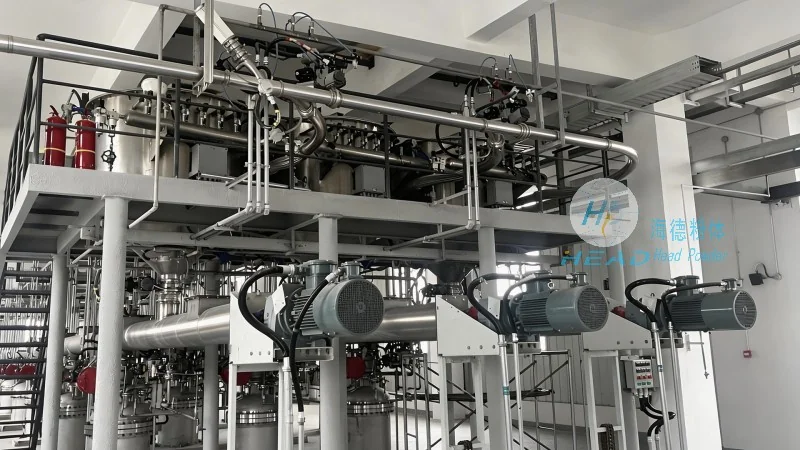
The design of a polycarbonate pneumatic conveying system is based on several key principles that ensure optimal performance. First, the system must be designed to handle the specific characteristics of the material, such as particle size, density, and moisture content. This involves selecting the appropriate conveying line diameter and air velocity to prevent material settling or blockages. Second, the system must maintain a consistent air pressure and flow rate to ensure smooth material transport. This is achieved through the use of high-quality air compressors and pressure regulators, which are integrated into the system to provide stable operation. Third, the system must be designed for easy maintenance and cleaning, as polycarbonate components can be easily disassembled and cleaned without the need for specialized tools. This is particularly important in industries where hygiene is critical, such as food processing or pharmaceutical manufacturing.
Polycarbonate pneumatic conveying systems are widely used in various industries, including food and beverage, pharmaceuticals, chemicals, and manufacturing. They are particularly suitable for handling materials that are sensitive to moisture or contamination, as the enclosed system prevents exposure to the environment. The systems also offer flexibility in layout, as they can be installed in various configurations to fit the available space and operational requirements. Additionally, the systems are energy-efficient, as they use less power compared to traditional mechanical conveying systems. The use of polycarbonate materials also reduces the risk of material contamination, as the components are non-reactive and do not leach chemicals into the material being conveyed.
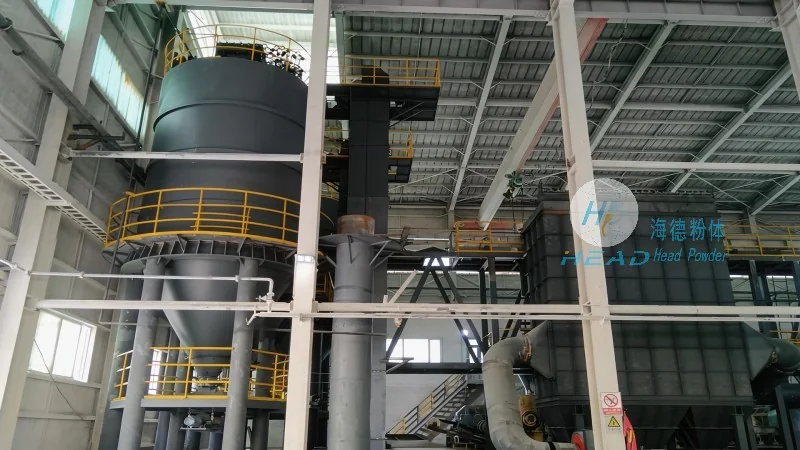
Shandong HeadPowder Engineering Co., Ltd. is a leading manufacturer and supplier of polycarbonate pneumatic conveying systems. The company is based in Shandong, China, and has a strong reputation for providing high-quality, reliable equipment to its clients. With years of experience in the industry, the company has developed a deep understanding of the needs of various industries and has tailored its products to meet those needs. The company's products are designed and manufactured using the latest technology and materials, ensuring that they meet the highest standards of quality and performance. Shandong HeadPowder Engineering Co., Ltd. also provides comprehensive after-sales support, including installation, maintenance, and technical assistance, to ensure that its clients get the most out of their equipment.

 Shandong Headpowder Engineering Co., Ltd.
 156-6277-7102(Manager Zhang)
  0531-83386006
  Zhangqiu District, Jinan City, Shandong Province, China
telephone
WeChatconsult
top