With more than 10‑year industry experience, Shandong Headpowder delivers full‑service pneumatic‑conveying systems and blowers, undertaking nationwide turn‑key powder‑handling projects.
For industries seeking efficient material handling solutions, understanding the mechanics and design of pneumatic conveying systems is crucial. This article delves into the concept of a Xiaomi pneumatic conveying system, exploring its core functions and the underlying design principles that make it a reliable choice for various applications.
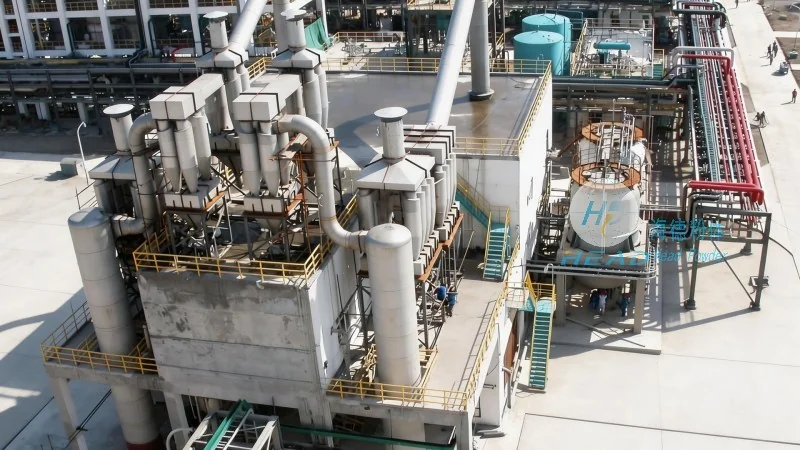
A pneumatic conveying system, often referred to as a pneumatic conveyor, is a method of transporting bulk materials through a pipeline using air or gas as the conveying medium. The "Xiaomi" aspect here typically refers to a brand or a specific design approach that emphasizes efficiency and cost-effectiveness, aligning with the principles of modern material handling technology. These systems are widely used in industries such as food processing, pharmaceuticals, chemicals, and manufacturing, where the need to move powders, granules, or other dry materials in a controlled manner is essential.
At the heart of any pneumatic conveying system are several critical components that work in tandem to ensure smooth material transport. The primary components include a material feed hopper, a conveying line (usually made of metal or plastic), a blower or compressor to generate the air flow, and a discharge outlet where the material is released. In addition, many systems incorporate features like cyclones, filters, and control valves to manage the flow rate, pressure, and separation of materials from the air stream.
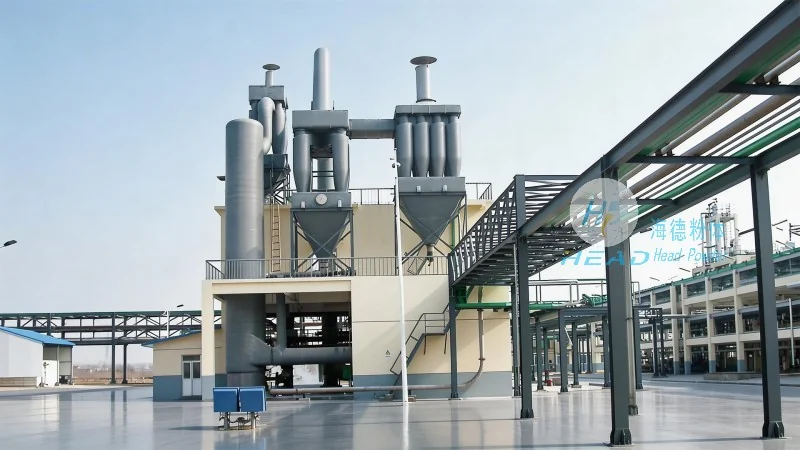
The design of a pneumatic conveying system is governed by several key principles aimed at optimizing performance, minimizing energy consumption, and ensuring material integrity. One of the fundamental principles is the selection of the appropriate conveying velocity, which must be sufficient to keep the material particles suspended in the air stream while avoiding excessive pressure drops or particle degradation. The system's design also considers the material's physical properties, such as particle size, density, and moisture content, as these factors directly impact the conveying efficiency and equipment requirements.
Another critical design principle is the use of appropriate pipeline diameters and lengths, as these directly affect the pressure drop and energy consumption. Engineers must calculate the necessary air velocity and pressure to maintain the material in suspension throughout the entire conveying path. Additionally, the system's layout and the placement of components, such as feed hoppers and discharge points, are carefully planned to minimize the risk of blockages and ensure consistent material flow.
When considering pneumatic conveying systems, the advantages offered by a "Xiaomi" design become evident. These systems are known for their ability to handle a wide range of materials, from fine powders to larger granules, with minimal maintenance requirements. The enclosed pipeline design also prevents contamination and dust emissions, making them suitable for applications where hygiene and environmental compliance are paramount. Furthermore, the modular nature of these systems allows for easy integration into existing production lines and scalability to accommodate growing material handling needs.
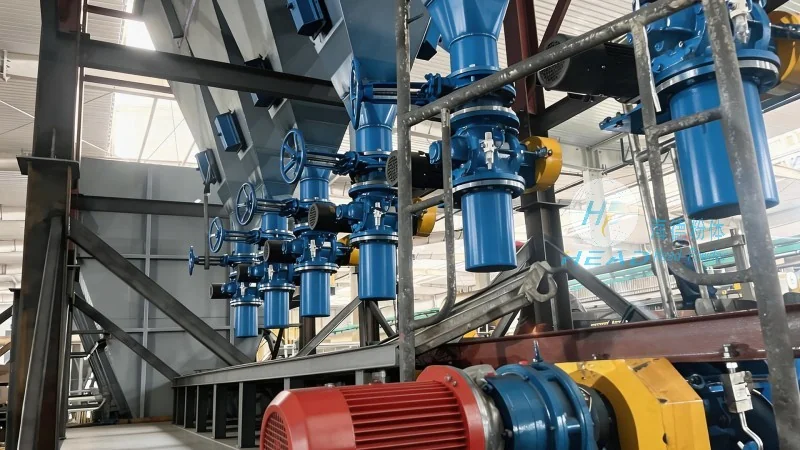
Xiaomi pneumatic conveying systems are versatile and find applications across multiple industries. In the food and beverage sector, they are used to transport ingredients like flour, sugar, and spices, ensuring a clean and hygienic process. In the pharmaceutical industry, these systems are critical for handling active pharmaceutical ingredients (APIs) and other sensitive materials, where contamination control is non-negotiable. The chemical industry also benefits from these systems for transporting powders and granules, while manufacturing facilities use them to move raw materials and finished products efficiently.
In summary, a Xiaomi pneumatic conveying system is a sophisticated piece of equipment designed to efficiently transport bulk materials using air as the conveying medium. Its design is rooted in principles that prioritize efficiency, material integrity, and operational reliability. By understanding these principles and the components that make up the system, industries can make informed decisions about implementing such technology to enhance their material handling processes. As a leading provider in this field, Shandong HeadPowder Engineering Co., Ltd., based in China, specializes in designing and manufacturing high-quality pneumatic conveying systems that meet the diverse needs of modern industries.

 Shandong Headpowder Engineering Co., Ltd.
 156-6277-7102(Manager Zhang)
  0531-83386006
  Zhangqiu District, Jinan City, Shandong Province, China
telephone
WeChatconsult
top