With more than 10‑year industry experience, Shandong Headpowder delivers full‑service pneumatic‑conveying systems and blowers, undertaking nationwide turn‑key powder‑handling projects.
HeadPowder, a leading manufacturer based in Shandong, China, specializes in the design and production of advanced pneumatic conveying systems tailored for handling NCA materials. This article provides a detailed overview of the operation process and working principle of a typical NCA material pneumatic conveyor, highlighting key components, operational steps, and the technical aspects that ensure efficient material transport.
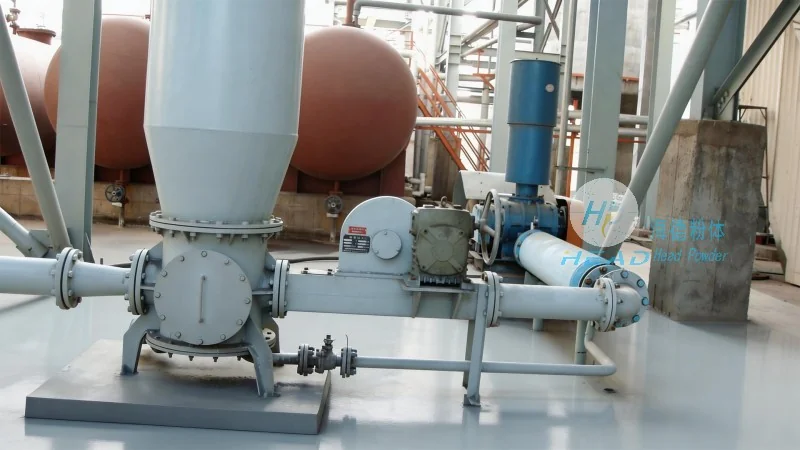
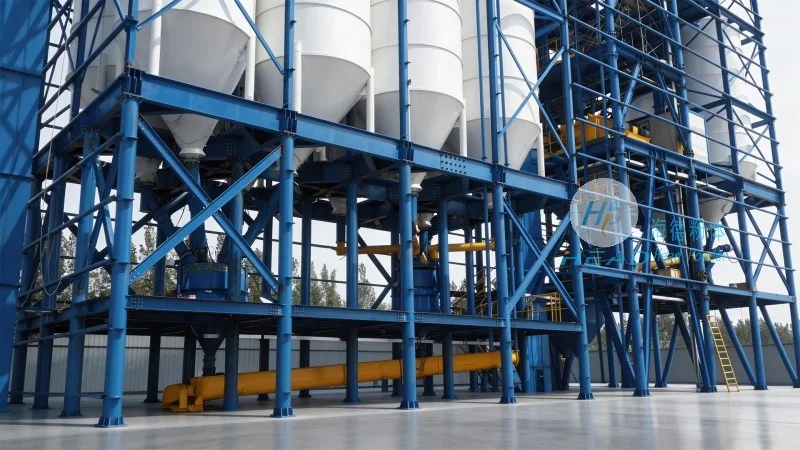
The NCA material pneumatic conveyor system typically consists of several critical components that work in concert to facilitate material transport. These include the hopper or feeding device, the conveying pipeline, the air compressor or blower, the control valve, and the discharge unit. Each component plays a vital role in the overall functionality of the system. The hopper is designed to store and feed the NCA material into the system, ensuring a consistent flow rate. The conveying pipeline, often made of high-quality materials resistant to corrosion and wear, transports the material and air mixture. The air compressor or blower generates the necessary air pressure to move the material through the pipeline. The control valve regulates the air flow and pressure, allowing for precise control over the conveying process. Finally, the discharge unit collects the material at the end of the pipeline, completing the transport cycle.
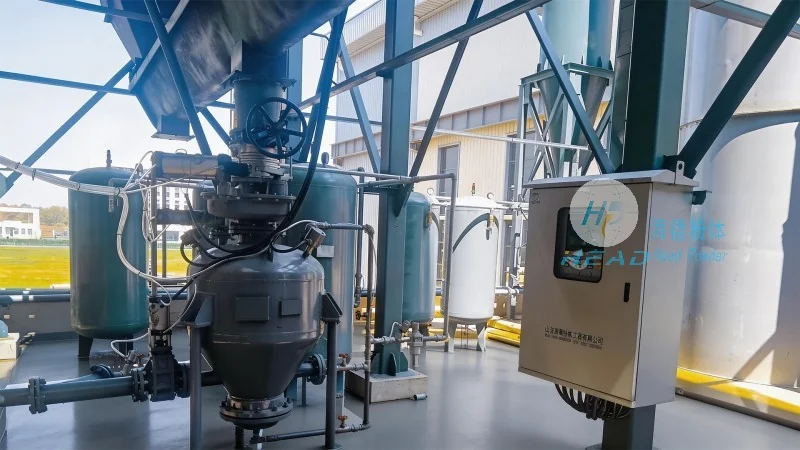
The working principle of the NCA material pneumatic conveyor is based on the principle of pneumatic transport, where material particles are suspended and transported by a stream of air. The process begins with the material being fed from the hopper into the conveying pipeline. Simultaneously, the air compressor or blower supplies compressed air into the pipeline. As the air flows through the pipeline, it creates a low-pressure zone that draws the NCA material particles into the air stream. The material is then carried along the pipeline by the air flow, forming a dense phase or dilute phase transport depending on the system design and operating conditions. The control valve adjusts the air pressure and flow rate to maintain optimal conveying conditions, ensuring that the material is transported efficiently without excessive pressure drop or material degradation. The discharge unit collects the material at the end of the pipeline, where it is discharged into a storage or processing container.
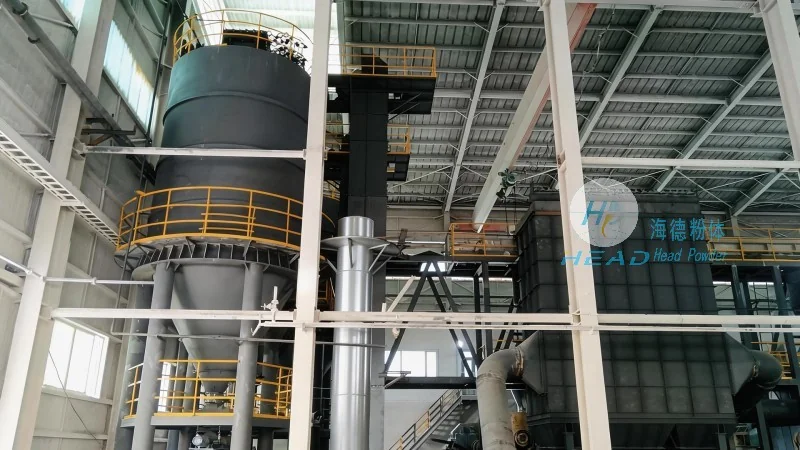
The operation process of the NCA material pneumatic conveyor involves several sequential steps that ensure smooth and continuous material transport. First, the system is started by activating the air compressor or blower, which generates the required air pressure. Next, the hopper is filled with NCA material, and the feeding mechanism is engaged to start the material flow into the pipeline. The control valve is then adjusted to set the appropriate air pressure and flow rate, which determines the conveying velocity and material concentration in the pipeline. During operation, the system continuously monitors the pressure and flow parameters to maintain stable conveying conditions. If any issues arise, such as a blockage or pressure drop, the control system automatically adjusts the air flow or alerts the operator for intervention. The material transport continues until the hopper is empty or the desired quantity has been conveyed. Finally, the system is shut down by stopping the air compressor and disengaging the feeding mechanism, and the discharge unit is emptied to complete the cycle.

 Shandong Headpowder Engineering Co., Ltd.
 156-6277-7102(Manager Zhang)
  0531-83386006
  Zhangqiu District, Jinan City, Shandong Province, China
telephone
WeChatconsult
top