With more than 10‑year industry experience, Shandong Headpowder delivers full‑service pneumatic‑conveying systems and blowers, undertaking nationwide turn‑key powder‑handling projects.
HeadPowder, a leading manufacturer based in Shandong, China, specializes in the design and production of advanced pneumatic conveying machines tailored for handling polypropylene granules. This article delves into the operation process and working principle of such equipment, providing a comprehensive understanding of its functionality and practical applications.
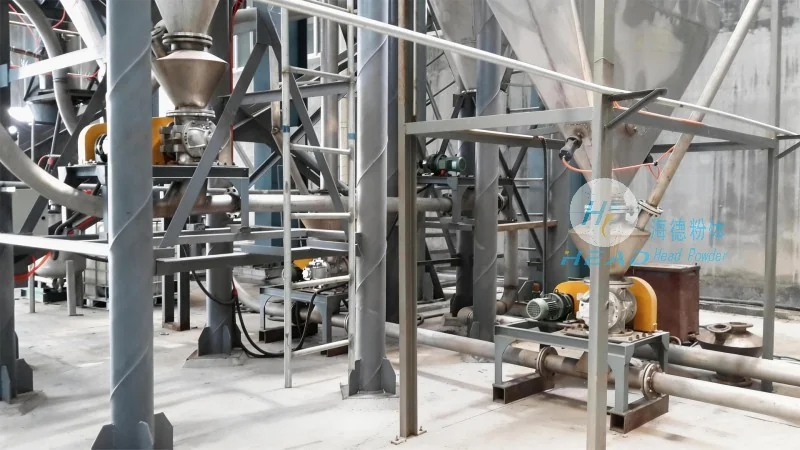
As a prominent entity in the material handling industry, Shandong HeadPowder Engineering Co., Ltd. (HeadPowder) has established itself as a trusted provider of customized pneumatic conveying solutions. With a strong commitment to innovation and quality, the company leverages decades of experience to develop systems that meet the specific demands of polypropylene processing facilities. HeadPowder’s headquarters is located in Shandong, China, where the company’s research and development team continuously optimizes conveyor designs to enhance efficiency and reliability.
The core of a pneumatic conveying machine for polypropylene granules lies in its ability to transport materials using a combination of air flow and pressure differentials. The system typically operates on the principle of creating a vacuum or pressure within a pipeline to move the granular material from the source to the destination. For polypropylene, which is commonly used in plastic manufacturing, the conveying process must ensure minimal product degradation, consistent flow rates, and efficient energy utilization. The machine employs a series of components, including a hopper, feeder, airlock, and conveying line, each playing a critical role in the overall operation.
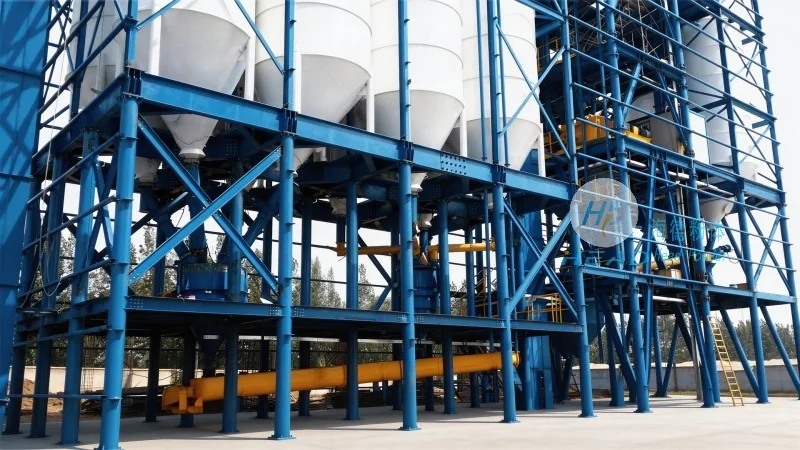
The operation of a polypropylene granule pneumatic conveying machine involves several sequential steps that ensure smooth and continuous material transport. The process begins with the loading of polypropylene granules into the hopper, where the material is stored before being fed into the system. A feeder, often a rotary valve or screw feeder, then regulates the flow of granules into the conveying line. Simultaneously, an air compressor generates the necessary air pressure or vacuum, which is introduced into the pipeline. The air flow, combined with the material feed, creates a slurry-like mixture that travels through the conveying line to the discharge point. At the receiving end, an airlock or cyclone separator separates the polypropylene granules from the air, allowing the material to be deposited in the target container. The system also includes a filter to capture any fine particles, ensuring clean air is returned to the compressor and preventing contamination.
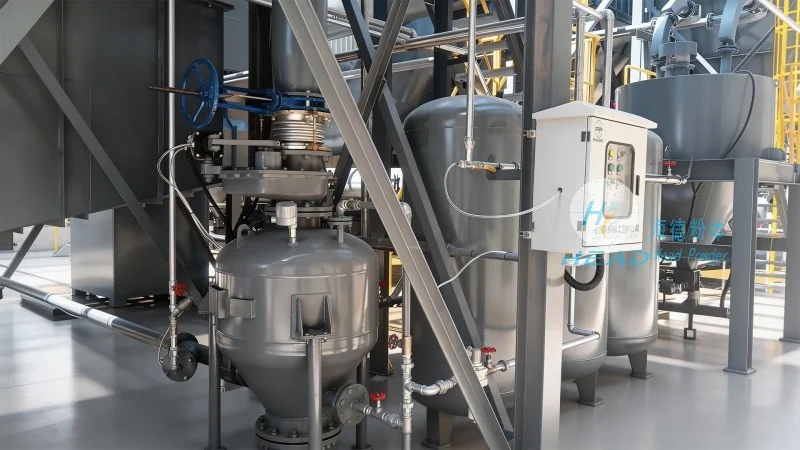
Several key components are integral to the efficient operation of a pneumatic conveying machine for polypropylene granules. The hopper serves as the storage vessel, providing a large capacity to accommodate bulk polypropylene granules. It is designed with a sloped bottom to facilitate uniform material flow into the feeder. The feeder, typically a rotary valve or screw feeder, controls the rate of material discharge, ensuring a consistent feed rate that matches the air flow. The airlock, positioned at the discharge end, prevents backflow of air and material, maintaining the integrity of the conveying process. The conveying line, usually made of stainless steel or other corrosion-resistant materials, is designed to withstand the abrasive nature of polypropylene granules and the pressure differentials involved. The air compressor, which can be either positive displacement or centrifugal, generates the required air pressure or vacuum, with the choice depending on the system’s capacity and distance. Additionally, a filter system is essential to remove any fines from the air, protecting the compressor and ensuring clean operation.
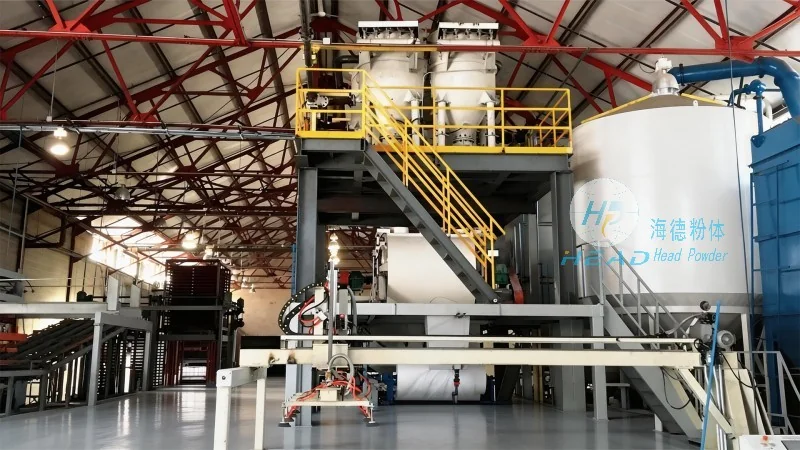
Pneumatic conveying offers several advantages when handling polypropylene granules, making it a preferred method in many industrial applications. One of the primary benefits is the ability to transport materials in a closed system, which minimizes dust exposure and improves workplace safety. This is particularly important for polypropylene, as fine particles can pose health risks if inhaled. The closed system also prevents contamination from external sources, ensuring the quality of the polypropylene granules remains consistent. Another advantage is the flexibility of the system, as it can be easily adapted to different processing requirements, such as varying feed rates or distances. Pneumatic conveying is also energy-efficient compared to other methods like belt conveyors, as it utilizes compressed air to move the material, reducing the need for mechanical components. Furthermore, the system is compact and can be integrated into existing production lines without significant modifications, making it a cost-effective solution for polypropylene processing facilities.
Proper maintenance is crucial to ensure the long-term reliability and efficiency of a pneumatic conveying machine for polypropylene granules. Regular inspection of components such as the hopper, feeder, and conveying line is necessary to detect any signs of wear or damage. The air compressor should be checked for proper lubrication and air filter cleanliness to prevent overheating and ensure consistent performance. The filter system must be cleaned or replaced regularly to maintain air quality and prevent clogging, which can reduce the system’s efficiency. Additionally, monitoring the pressure differentials and flow rates helps identify any issues early, allowing for timely adjustments or repairs. HeadPowder recommends conducting routine maintenance checks to extend the lifespan of the equipment and minimize downtime. By adhering to these maintenance practices, users can ensure the pneumatic conveying machine operates at optimal performance levels, delivering consistent results for polypropylene granule transport.

 Shandong Headpowder Engineering Co., Ltd.
 156-6277-7102(Manager Zhang)
  0531-83386006
  Zhangqiu District, Jinan City, Shandong Province, China
telephone
WeChatconsult
top