With more than 10‑year industry experience, Shandong Headpowder delivers full‑service pneumatic‑conveying systems and blowers, undertaking nationwide turn‑key powder‑handling projects.
For industrial facilities dealing with bulk materials, efficient and reliable material handling solutions are crucial for maintaining operational efficiency and product quality. Tote bag unloading pneumatic conveying systems represent a sophisticated approach to managing the transfer of powders and granules from bulk containers. This technology is widely adopted across various industries, including food processing, pharmaceuticals, chemicals, and minerals, due to its ability to handle sensitive materials with minimal degradation and contamination. In this article, we will explore the key components, structural design, and operational principles of such systems, providing a comprehensive overview for professionals seeking to understand or implement this technology.
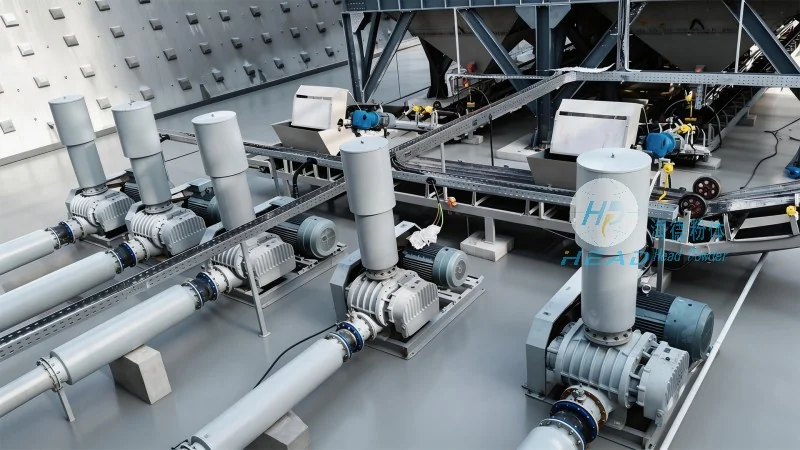
HeadPowder, a leading engineering firm based in Shandong, China, specializes in the design, manufacturing, and installation of advanced material handling equipment. With years of experience in the industry, HeadPowder has established itself as a trusted partner for businesses requiring high-performance pneumatic conveying solutions. The company’s commitment to innovation and customer satisfaction has enabled it to deliver tailored systems that meet the specific needs of diverse industrial applications. HeadPowder’s expertise spans the entire lifecycle of material handling projects, from initial consultation and system design to installation and after-sales support. By leveraging cutting-edge technology and a deep understanding of material behavior, HeadPowder ensures that its solutions are not only efficient but also durable and cost-effective.
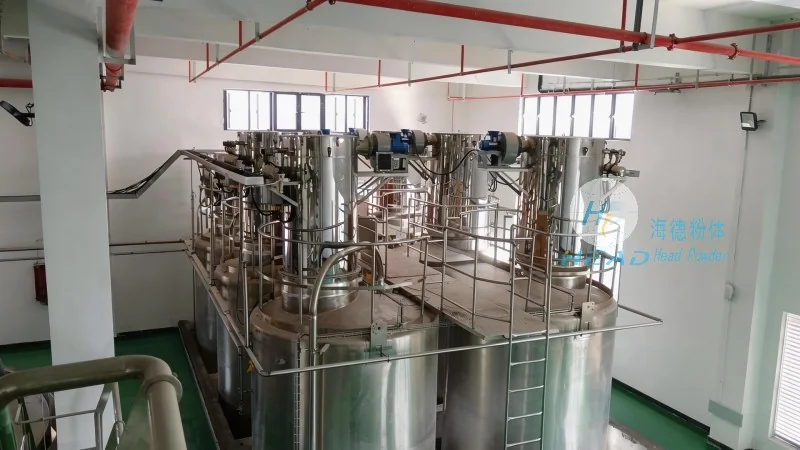
A tote bag unloading pneumatic conveying system typically consists of several key components that work in tandem to facilitate the material transfer process. The primary components include the tote bag itself, an airlock or feeder, a vacuum or pressure blower, a filter system, and a discharge outlet. Each component plays a critical role in ensuring the system operates smoothly and safely. The tote bag, often made of durable materials like polyethylene or reinforced fabric, is designed to hold bulk materials securely and withstand the stresses of handling and unloading. The airlock or feeder is responsible for controlling the flow of material from the tote bag into the conveying line, preventing backflow and maintaining consistent material delivery. The blower provides the necessary air pressure or vacuum to move the material through the system, while the filter system captures any dust or particles, ensuring clean air discharge and compliance with environmental regulations. The discharge outlet allows the material to be deposited into a storage silo, hopper, or processing equipment.
The structural design of a tote bag unloading pneumatic conveying system is engineered to optimize material flow and minimize energy consumption. The system operates on the principle of pneumatic transport, where material is suspended in a stream of air and transported through a pipeline. There are two main types of pneumatic conveying systems: vacuum (or suction) systems and pressure systems. Vacuum systems use a blower to create a negative pressure that draws material from the tote bag into the conveying line, while pressure systems use a blower to create positive pressure that pushes material through the system. The choice between these systems depends on factors such as the distance between the tote bag and the discharge point, the material characteristics, and the desired flow rate. The system’s design also incorporates features to handle different material properties, such as moisture content, particle size, and abrasiveness. For example, some systems may include a pre-drying or conditioning step to improve material flow, while others may use special materials for the conveying line to prevent wear and tear.
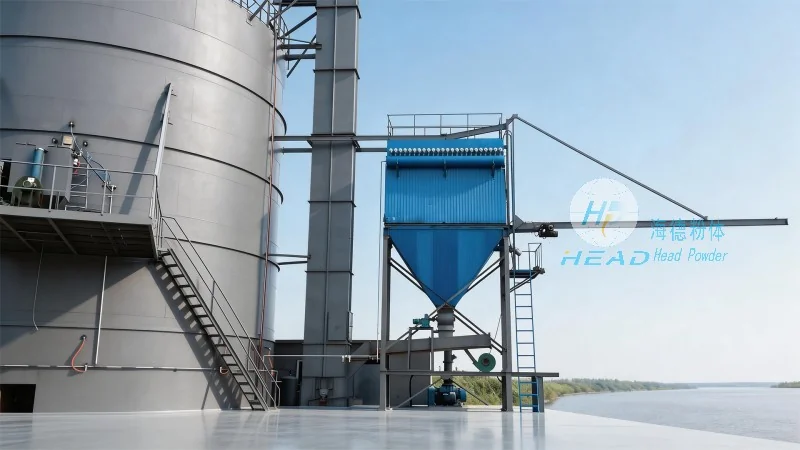
Compared to traditional material handling methods, such as manual loading or mechanical conveyors, tote bag unloading pneumatic conveying systems offer several significant advantages. One of the primary benefits is the ability to handle a wide range of materials, including fine powders, granules, and bulk solids, without causing degradation or contamination. The enclosed system prevents dust from escaping into the environment, reducing health and safety risks for workers and minimizing environmental impact. Additionally, pneumatic conveying systems can operate at high speeds and over long distances, making them suitable for large-scale industrial applications. The system’s flexibility allows for easy integration with existing processing equipment, and the ability to control flow rates and pressure ensures precise material delivery. Another advantage is the reduced need for manual labor, as the system can be automated to handle the entire unloading process, improving efficiency and reducing labor costs. Furthermore, the system’s compact design and low maintenance requirements make it a cost-effective solution for many industrial facilities.

 Shandong Headpowder Engineering Co., Ltd.
 156-6277-7102(Manager Zhang)
  0531-83386006
  Zhangqiu District, Jinan City, Shandong Province, China
telephone
WeChatconsult
top