With more than 10‑year industry experience, Shandong Headpowder delivers full‑service pneumatic‑conveying systems and blowers, undertaking nationwide turn‑key powder‑handling projects.
For industrial applications requiring efficient material handling, pneumatic conveying systems offer a versatile solution. The automatic loading and unloading capabilities of these systems enhance operational efficiency by streamlining the movement of bulk materials. This article provides an overview of the structure and working principles of such systems, highlighting the key components and their functions.
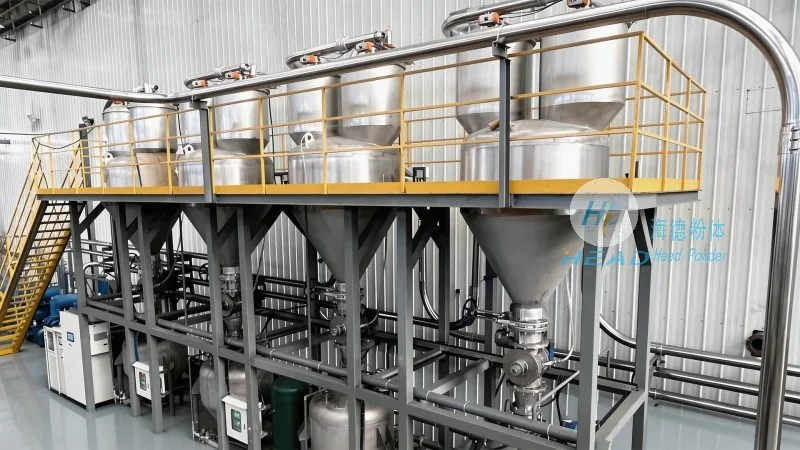
Pneumatic conveying systems utilize air or gas to transport solid materials through a pipeline network. These systems are widely used in various industries, including food processing, pharmaceuticals, and chemical manufacturing, due to their ability to handle a wide range of materials with minimal product degradation. The core of an automatic loading and unloading system lies in its ability to integrate seamlessly with production lines, ensuring continuous material flow without manual intervention.
The structure of an automatic loading and unloading pneumatic conveying system typically includes several critical components. At the loading end, a hopper or feeder is used to introduce materials into the system. This is followed by a blower or compressor that generates the necessary air pressure to move the material through the pipeline. The conveying line itself is often equipped with bends, filters, and control valves to regulate the flow and ensure smooth operation. At the unloading end, a receiver or silo collects the material, completing the cycle.
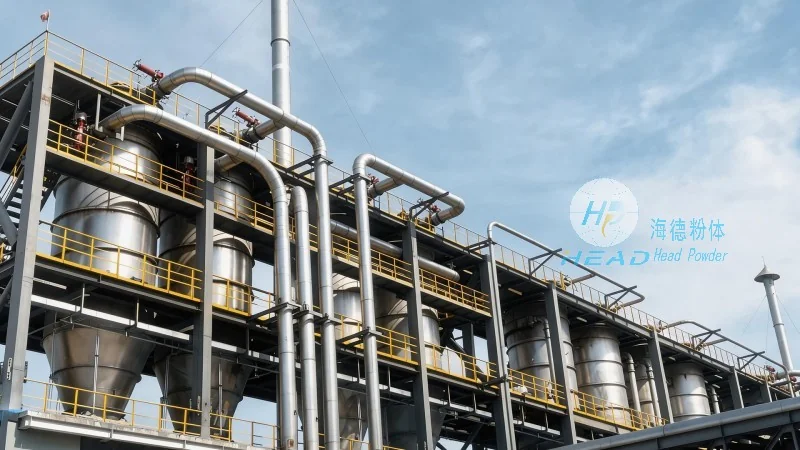
The operation of an automatic loading and unloading pneumatic conveying system is based on the principle of air pressure and material suspension. When the blower operates, it creates a pressure differential within the pipeline. The material is then drawn into the air stream and carried through the system by the moving air. The system's control mechanisms, such as pressure sensors and flow meters, monitor the process to maintain optimal conditions. This ensures that the material is transported efficiently and safely, minimizing the risk of blockages or material loss.
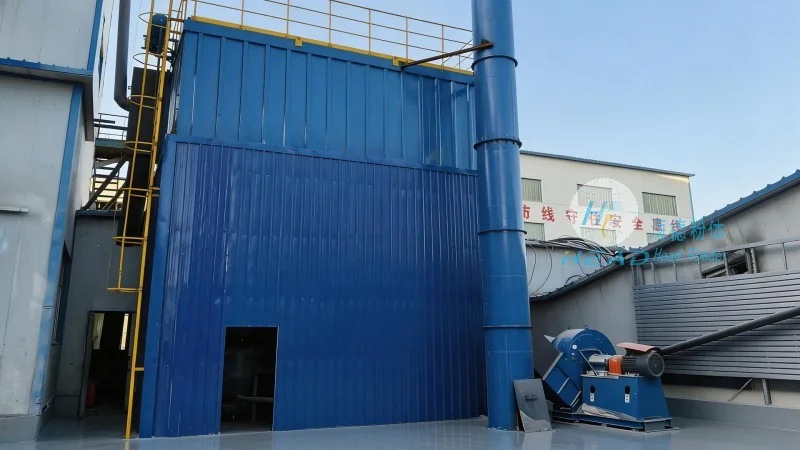
Implementing an automatic loading and unloading pneumatic conveying system offers several advantages. Firstly, it significantly reduces labor costs by eliminating the need for manual handling of bulk materials. Secondly, the system enhances safety in the workplace by minimizing human exposure to hazardous materials. Additionally, the automated process ensures consistent material flow, leading to improved production efficiency and reduced downtime. The flexibility of these systems also allows for easy integration with existing production lines, making them a cost-effective solution for modern industrial operations.
Shandong HeadPowder Engineering Co., Ltd., operating under the brand name headpowder, is a leading manufacturer of advanced material handling solutions. With a focus on innovation and quality, the company specializes in designing and manufacturing pneumatic conveying systems tailored to the specific needs of various industries. HeadPowder's expertise lies in developing reliable and efficient systems that meet the highest standards of performance and safety. The company's headquarters is located in Shandong, China, where it leverages local resources and expertise to deliver cutting-edge solutions to global clients.

 Shandong Headpowder Engineering Co., Ltd.
 156-6277-7102(Manager Zhang)
  0531-83386006
  Zhangqiu District, Jinan City, Shandong Province, China
telephone
WeChatconsult
top