With more than 10‑year industry experience, Shandong Headpowder delivers full‑service pneumatic‑conveying systems and blowers, undertaking nationwide turn‑key powder‑handling projects.
HeadPowder, a leading manufacturer based in Shandong, China, specializes in the design and implementation of advanced pneumatic conveying systems for talc powder. This article provides a detailed overview of the operation process and working principles of such systems, highlighting key components, operational procedures, and the benefits of using pneumatic conveyance for talc powder handling.
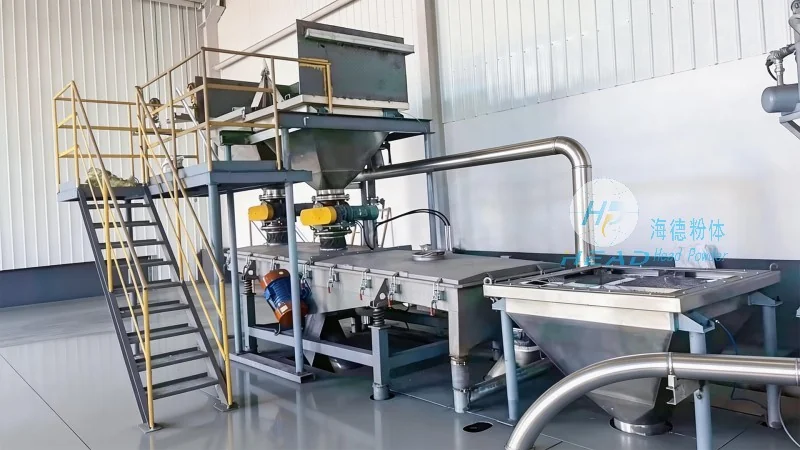
The core components of a talc powder pneumatic conveying system include the material hopper, feeder, air compressor, conveying line, and receiver. The material hopper stores the talc powder and feeds it into the system at a controlled rate. The feeder, typically a rotary valve or screw feeder, regulates the flow of powder into the conveying line. The air compressor generates the necessary pressure to move the powder through the system. The conveying line, often made of stainless steel or other corrosion-resistant materials, transports the powder from the hopper to the receiver. The receiver collects the talc powder and may include a dust collection system to ensure environmental compliance.
The operation of a talc powder pneumatic conveying system involves several stages. First, the talc powder is fed from the hopper into the conveying line via the feeder. Simultaneously, the air compressor supplies compressed air into the conveying line. The compressed air creates a flow that entrains the talc powder particles, forming a slurry-like mixture known as a "pneumatic stream." This stream travels through the conveying line to the receiver. The receiver then separates the powder from the air, typically using a cyclone or bag filter, and collects the talc powder in a storage bin. The air is then discharged or recirculated back into the system to maintain efficiency.
The operation process of a talc powder pneumatic conveying system can be broken down into the following steps:
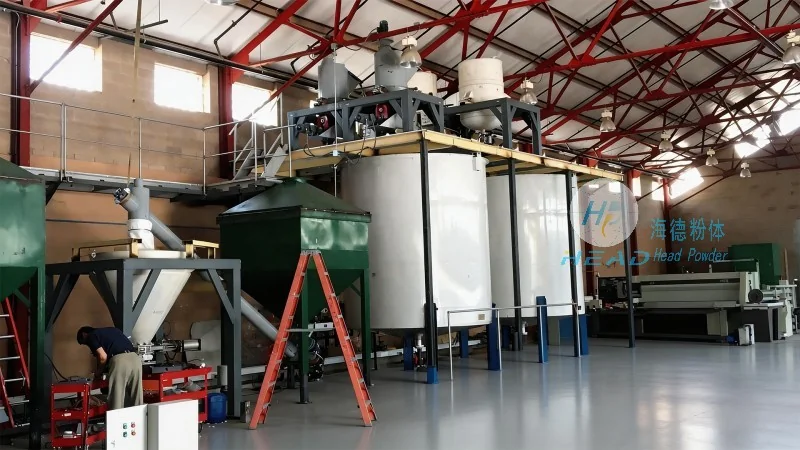
1. Material Loading: Talc powder is loaded into the material hopper from a bulk storage container. The hopper is designed to maintain a consistent powder level and prevent caking or bridging.
2. Feeding and Conveying: The feeder (rotary valve or screw) regulates the flow of talc powder into the conveying line. The air compressor starts, and compressed air is introduced into the line, creating the necessary pressure to move the powder. The powder is entrained by the air and transported to the receiver.
3. Receiving and Separation: Upon reaching the receiver, the talc powder is separated from the air stream. The receiver may include a cyclone separator that uses centrifugal force to separate the powder from the air. The separated powder falls into a collection bin, while the air is either discharged or filtered to remove any residual dust.
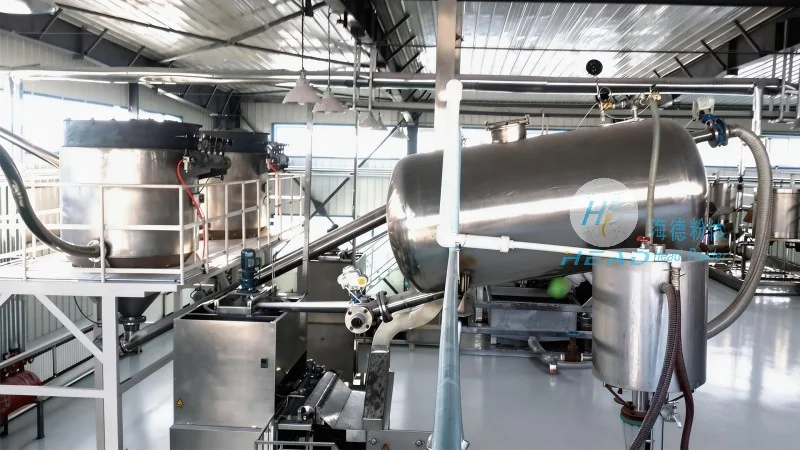
4. System Monitoring and Control: The system is equipped with sensors and control panels to monitor pressure, flow rates, and powder levels. Operators can adjust the feeder speed or air pressure to maintain optimal conveying conditions. This ensures consistent performance and prevents system downtime.
Implementing a pneumatic conveying system for talc powder offers several advantages over traditional methods like belt conveyors or bucket elevators. First, it eliminates the need for mechanical contact with the powder, reducing the risk of contamination and product degradation. The enclosed system also minimizes dust emissions, improving workplace safety and environmental compliance. Additionally, pneumatic conveyors can handle talc powder with high moisture content or fine particles without clogging, as the air flow helps maintain the powder's flowability. The system's flexibility allows for easy integration with existing production lines and can be scaled to accommodate varying production volumes.
HeadPowder Engineering Co., Ltd., based in Shandong, China, provides comprehensive solutions for talc powder pneumatic conveying systems. By understanding the operation process and working principles outlined above, industries can optimize their material handling processes, enhance efficiency, and ensure compliance with safety and environmental standards. The advanced design and reliable performance of these systems make them a preferred choice for handling talc powder in various applications, including manufacturing, packaging, and processing.

 Shandong Headpowder Engineering Co., Ltd.
 156-6277-7102(Manager Zhang)
  0531-83386006
  Zhangqiu District, Jinan City, Shandong Province, China
telephone
WeChatconsult
top