With more than 10‑year industry experience, Shandong Headpowder delivers full‑service pneumatic‑conveying systems and blowers, undertaking nationwide turn‑key powder‑handling projects.
Shandong HeadPowder Engineering Co., Ltd., located in Shandong, China, specializes in the design, manufacturing, and installation of advanced pneumatic conveying systems tailored for silicon carbide materials. These systems are engineered to efficiently handle the unique properties of silicon carbide, such as its abrasive nature and high density, ensuring reliable and safe material transport in industrial applications.
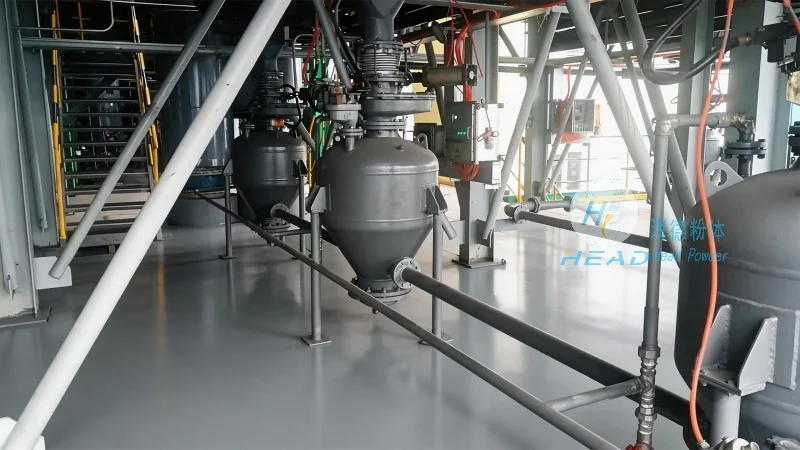
The silicon carbide material pneumatic conveying system is a sophisticated industrial solution that utilizes air as the primary medium to transport bulk materials. Unlike traditional mechanical conveying methods, this system minimizes physical contact between the material and equipment, reducing wear and tear while maintaining high material integrity. The system is typically composed of several key components, including a material feeder, air compressor, conveying pipeline, separation unit, and discharge equipment, each playing a critical role in the overall operation.
The material feeder is responsible for accurately metering and feeding silicon carbide into the conveying system. It ensures a consistent flow rate, which is crucial for maintaining system efficiency and preventing blockages. The air compressor generates the necessary air pressure to create the airflow that propels the material through the pipeline. The conveying pipeline, often made of durable materials like stainless steel or special alloys, withstands the abrasive effects of silicon carbide while providing a smooth, low-resistance path for the material and air mixture. The separation unit, such as a cyclone or bag filter, separates the material from the air stream, allowing the air to be recirculated or discharged, and the silicon carbide to be collected for further processing. The discharge equipment then delivers the material to its final destination, such as a storage silo or processing unit.
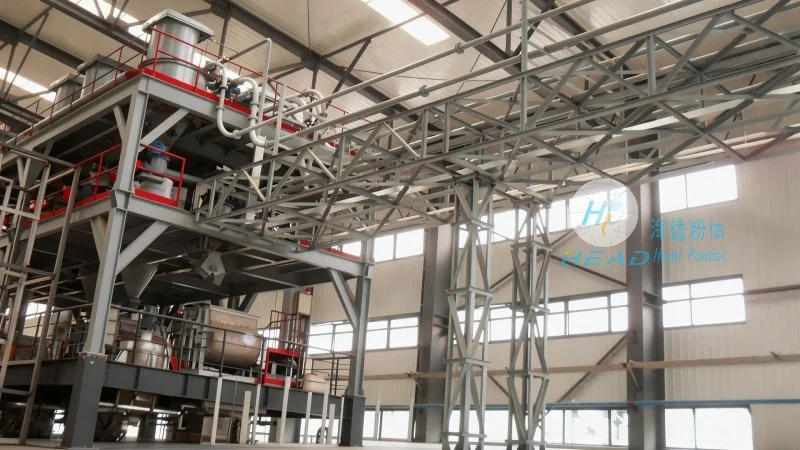
The operation of the silicon carbide material pneumatic conveying system follows a sequential process that ensures efficient and continuous material transport. The process begins with the material being fed into the feeder at a controlled rate. Simultaneously, the air compressor starts and generates a high-pressure air stream. The feeder then introduces the silicon carbide into the air stream, creating a mixture of material and air. This mixture is then propelled through the conveying pipeline under the pressure of the air. As the mixture travels, it passes through the pipeline and reaches the separation unit. In the separation unit, the centrifugal force or filtration process separates the silicon carbide particles from the air. The separated material is collected in a hopper or storage container, while the air is either filtered and recirculated back into the system or released to the atmosphere. The discharge equipment then transfers the collected silicon carbide to its intended destination, completing the cycle.
The working principle of the silicon carbide material pneumatic conveying system is based on the fundamental concept of fluidization and pneumatic transport. When air is introduced into the conveying pipeline at a sufficient velocity, it creates a low-pressure zone that draws the silicon carbide particles into the air stream. The air flow overcomes the gravitational force acting on the particles, allowing them to be carried along the pipeline. The system can operate in either positive pressure or negative pressure modes. In positive pressure systems, the air is forced into the pipeline, pushing the material forward. In negative pressure systems, the air is drawn out of the pipeline, creating a vacuum that pulls the material in. The choice of operating mode depends on factors such as the material's properties, the distance to be conveyed, and the system's design. The system's efficiency is determined by the balance between the air velocity and the material's density and particle size, ensuring that the material is transported without excessive pressure loss or particle degradation.
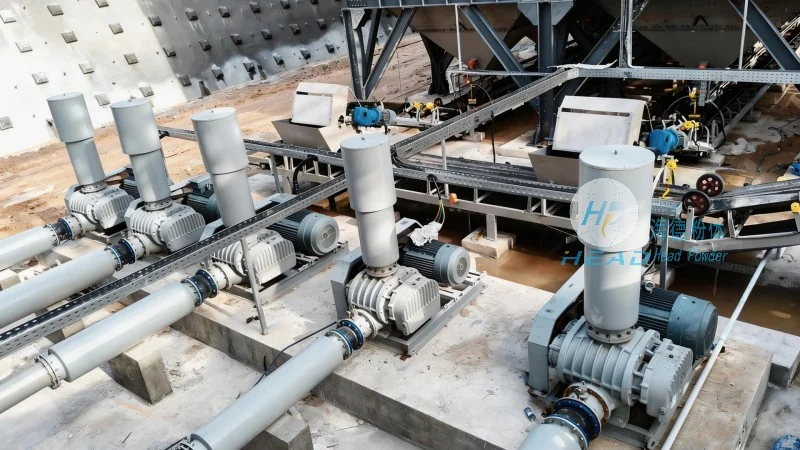
The use of a pneumatic conveying system for silicon carbide offers several advantages over traditional conveying methods. First, it provides a dust-free and enclosed environment, which is essential for maintaining product quality and safety in industrial settings. Second, the system minimizes material degradation by reducing friction and impact, which is critical for maintaining the integrity of silicon carbide, a material often used in high-performance applications. Third, the system is highly flexible and can be easily integrated into existing production lines, allowing for seamless material transport between different processing stages. Additionally, the system can handle a wide range of material flow rates and distances, making it suitable for various industrial applications, from small-scale laboratory operations to large-scale manufacturing facilities.
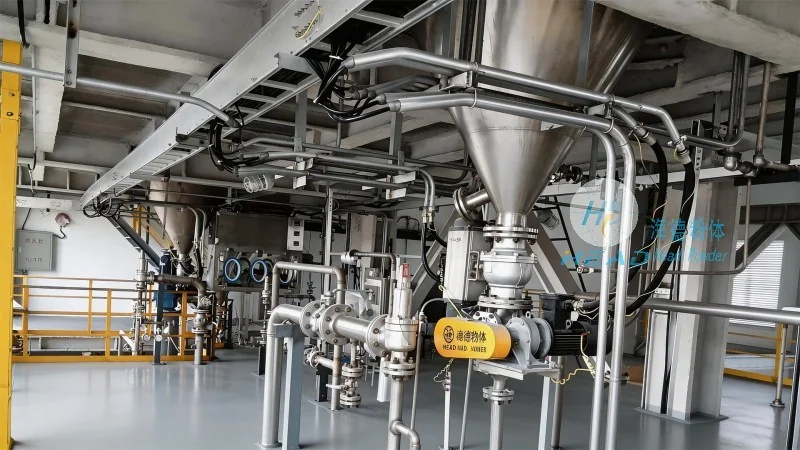
The silicon carbide material pneumatic conveying system is widely used in various industries that rely on silicon carbide for their production processes. These industries include the refractory industry, where silicon carbide is used as a raw material for high-temperature refractory products. The automotive industry utilizes silicon carbide in brake pads and other components due to its high thermal conductivity and wear resistance. The semiconductor industry employs silicon carbide in wafer processing and other high-tech applications, where its electronic properties are leveraged. Additionally, the chemical and metallurgical industries use silicon carbide in catalysts and other specialized products. The system's ability to handle abrasive and high-density materials makes it an ideal choice for these applications, ensuring reliable and efficient material transport throughout the production cycle.
Proper maintenance and operational considerations are essential to ensure the long-term performance and reliability of the silicon carbide material pneumatic conveying system. Regular inspection and cleaning of the conveying pipeline and separation unit are necessary to prevent the buildup of material residues, which can reduce system efficiency and cause blockages. The air compressor and feeder components should be checked regularly for wear and tear, and replaced as needed to maintain optimal performance. The system's air filtration system should be maintained to ensure clean air is recirculated, preventing contamination of the silicon carbide material. Additionally, the system should be operated within its specified parameters, such as air pressure and flow rate, to avoid excessive wear on components and ensure safe operation. By following these maintenance and operational guidelines, the system can operate efficiently and reliably for extended periods, providing consistent material transport for industrial applications.

 Shandong Headpowder Engineering Co., Ltd.
 156-6277-7102(Manager Zhang)
  0531-83386006
  Zhangqiu District, Jinan City, Shandong Province, China
telephone
WeChatconsult
top