With more than 10‑year industry experience, Shandong Headpowder delivers full‑service pneumatic‑conveying systems and blowers, undertaking nationwide turn‑key powder‑handling projects.
Shandong HeadPowder Engineering Co., Ltd., commonly known as HeadPowder, specializes in advanced material handling solutions, including air-driven systems for various bulk materials. This article focuses on the operation process and working principle of air-driven sodium chloride material handling, a critical application in the chemical and food processing industries. The company, headquartered in Shandong, China, leverages decades of engineering expertise to design and implement efficient systems tailored to the unique properties of sodium chloride, ensuring reliable and cost-effective material transport.
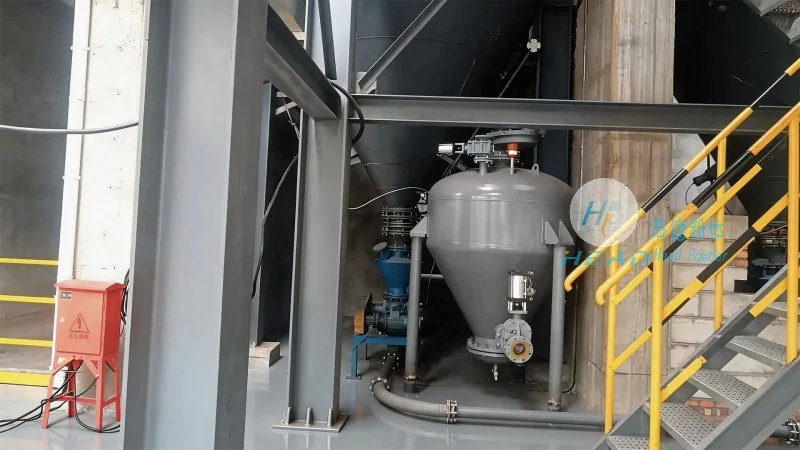
At the core of air-driven material handling is the use of a pneumatic system to transport bulk materials through a pipeline network using compressed air. For sodium chloride, which is a granular or crystalline solid, this method offers several advantages over traditional mechanical conveying. The system typically consists of a blower, a hopper for material storage, a pipeline system, and a discharge point. The operation begins with the material being fed into the hopper, where it is then drawn into the pipeline by the pressure differential created by the blower. Compressed air, often filtered and regulated to maintain consistent pressure, propels the material through the pipeline, ensuring a continuous flow.
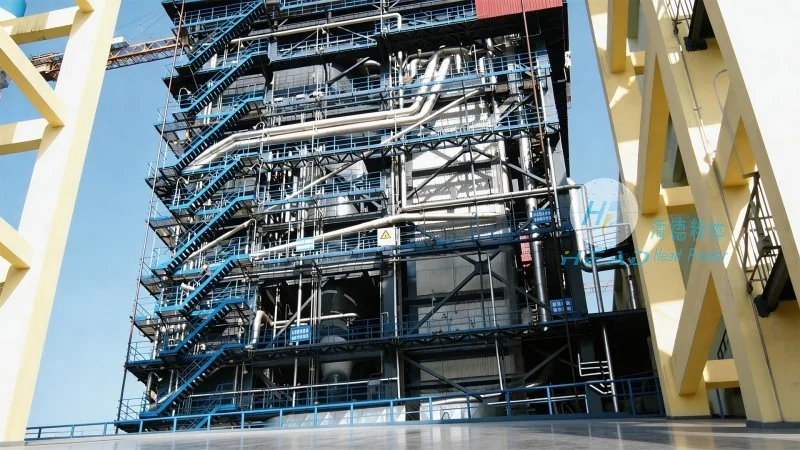
The effectiveness of an air-driven sodium chloride handling system relies on several key components, each playing a crucial role in the overall operation. The blower is the primary source of compressed air, providing the necessary force to move the material. It is typically equipped with a variable speed drive to adjust the airflow and pressure based on the material flow rate and pipeline length. The hopper serves as the material storage and feeding unit, ensuring a steady supply of sodium chloride to the system. It is designed with a conical bottom to facilitate smooth discharge and may include a vibratory feeder to prevent material bridging or clogging. The pipeline system is constructed from materials resistant to corrosion and abrasion, such as stainless steel or special plastic composites, to withstand the chemical and physical stresses of sodium chloride. The discharge point, often a receiver or a processing unit, is where the material is released from the pipeline, completing the transport process.
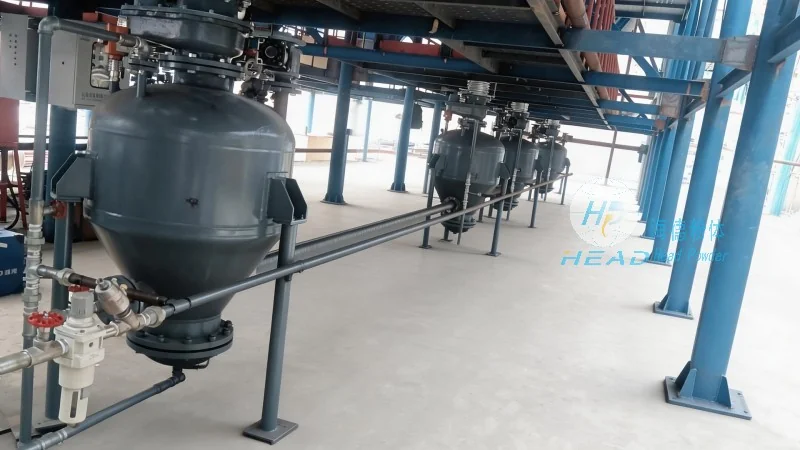
The operation of an air-driven sodium chloride material handling system follows a systematic process, ensuring efficient and reliable material transport. First, the sodium chloride is loaded into the hopper. The hopper is then sealed and connected to the pipeline system. The blower is started, and the compressed air is directed into the pipeline, creating a pressure difference. As the pressure increases, the material in the hopper is drawn into the pipeline due to the pressure differential. The compressed air then propels the material through the pipeline, maintaining a consistent flow rate. The material travels through the pipeline network to the discharge point, where it is collected and transferred to the next processing stage. The system continuously operates, with the blower maintaining the required pressure and the hopper refilling as needed. This process allows for a seamless and uninterrupted flow of sodium chloride, minimizing downtime and maximizing productivity.
The working principle of air-driven material handling for sodium chloride is based on the fundamental physics of fluid dynamics and pressure differentials. When the blower generates compressed air, it creates a high-pressure environment in the pipeline. The material, being lighter than the air and denser than the surrounding air, is entrained in the air stream. The air acts as a carrier, transporting the material particles through the pipeline. The velocity of the air and the size of the material particles determine the conveying velocity and the required pressure. For sodium chloride, which has a relatively high density and can be abrasive, the system is designed to handle these characteristics, ensuring that the material is conveyed without excessive wear on the equipment. The pressure differential between the inlet and outlet of the pipeline is the driving force that moves the material, and the system is optimized to maintain this differential at an efficient level, balancing the need for sufficient force to move the material with the need to minimize energy consumption.
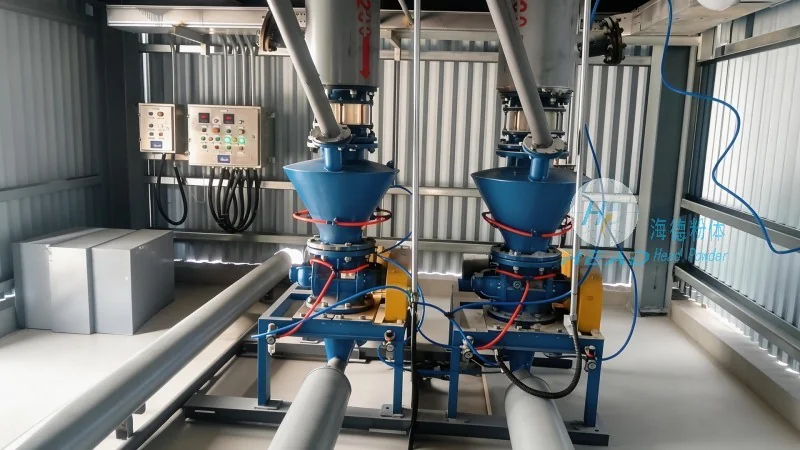
Compared to traditional mechanical conveying methods, air-driven systems offer several advantages for handling sodium chloride. One of the primary benefits is the ability to transport materials over long distances without the need for multiple transfer points or equipment. This reduces the risk of material contamination and loss, as the material remains in a closed system throughout the transport process. Additionally, air-driven systems are more flexible, allowing for changes in the pipeline layout or material flow rate without significant modifications to the equipment. The system is also less prone to clogging or blockages, as the air flow helps to prevent material bridging in the hopper and pipeline. For sodium chloride, which can be hygroscopic and prone to clumping, the continuous air flow helps to keep the material in a free-flowing state, improving the overall efficiency of the handling process. Furthermore, air-driven systems are more energy-efficient than some mechanical alternatives, as the blower can be adjusted to match the actual material flow requirements, reducing unnecessary energy consumption.

 Shandong Headpowder Engineering Co., Ltd.
 156-6277-7102(Manager Zhang)
  0531-83386006
  Zhangqiu District, Jinan City, Shandong Province, China
telephone
WeChatconsult
top