With more than 10‑year industry experience, Shandong Headpowder delivers full‑service pneumatic‑conveying systems and blowers, undertaking nationwide turn‑key powder‑handling projects.
Fly ash, a byproduct of coal combustion in thermal power plants, poses significant challenges in handling and transportation due to its fine particle size and potential for dust generation. Pneumatic conveying systems offer an efficient solution for transporting fly ash powder from its source to processing or storage facilities. This article explores the operation process and working principles of fly ash powder pneumatic conveying, highlighting key components, operational steps, and the technical advantages of this method. The discussion is presented by Shandong HeadPowder Engineering Co., Ltd., a leading provider of specialized engineering solutions for bulk material handling in China.

A typical fly ash pneumatic conveying system consists of several critical components that work in concert to ensure reliable and efficient material transport. These components include the material hopper, feeder, air compressor, conveying line, and dust collection system. The material hopper serves as the storage container for the fly ash, providing a consistent feed to the feeder. The feeder, often a rotary valve or screw feeder, regulates the flow of fly ash into the conveying line, ensuring a steady and controlled discharge rate. The air compressor generates the necessary pressure or vacuum to move the fly ash particles through the system. The conveying line, typically made of metal or plastic, transports the material from the source to the destination. Finally, the dust collection system, such as a baghouse or cartridge filter, captures any airborne particles to prevent environmental contamination and ensure operator safety. Each component plays a vital role in maintaining the system's performance and efficiency.
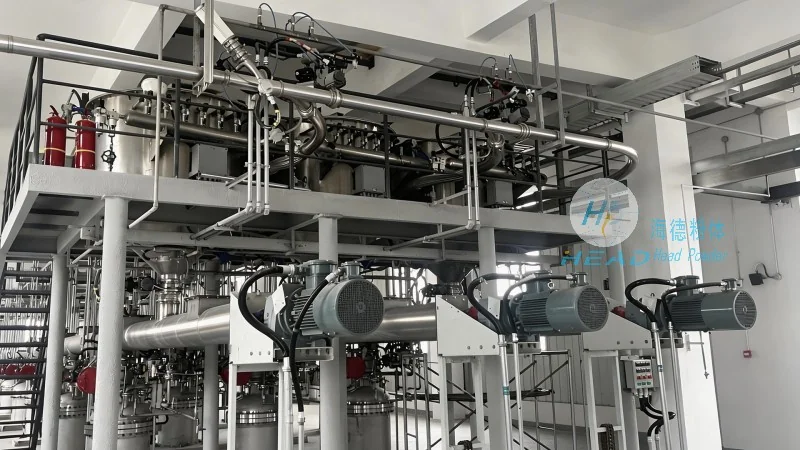
The working principle of fly ash powder pneumatic conveying relies on the movement of air to transport the fine particles. There are two primary modes of operation: pressure and vacuum. In pressure systems, the air compressor creates positive pressure within the conveying line, pushing the fly ash from the source to the destination. The material is suspended in the air stream and carried through the system. In vacuum systems, a vacuum pump creates a negative pressure, drawing the fly ash into the conveying line and moving it towards the collection point. The choice between pressure and vacuum depends on factors such as the distance to be covered, the quantity of material to be transported, and the layout of the facility. For fly ash, which is often transported over short to medium distances, pressure systems are commonly used due to their simplicity and effectiveness. The air velocity within the conveying line must be sufficient to keep the fly ash particles in suspension, preventing clogging and ensuring smooth transport. Proper design of the conveying line, including its diameter and length, is crucial to maintain the required air velocity and pressure drop.
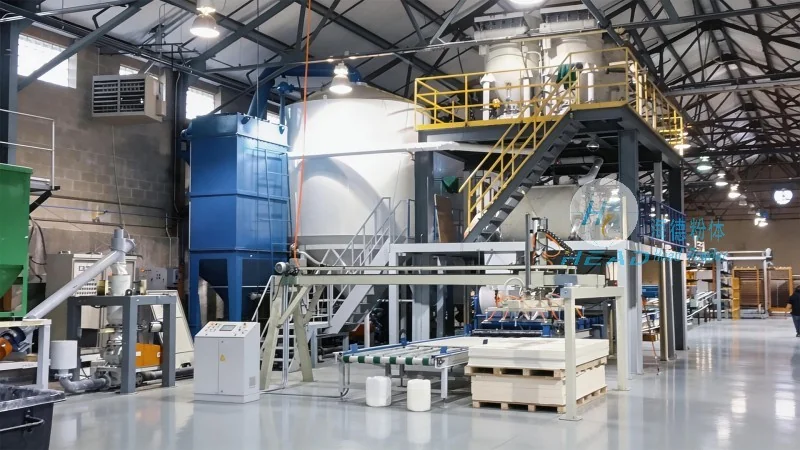
The operation process of a fly ash pneumatic conveying system involves several sequential steps that ensure the efficient movement of material. First, the fly ash is stored in the material hopper, which is typically equipped with a level indicator to monitor the inventory. When the hopper level drops to a certain point, the feeder activates to provide a consistent flow of material. The feeder then delivers the fly ash into the conveying line, where it is mixed with the air stream generated by the compressor. The air and fly ash mixture travels through the conveying line to the destination, such as a silo or processing plant. At the receiving end, the material is separated from the air using a separator or cyclone, and the fly ash is collected in a container. The air, now containing any residual dust, is then filtered by the dust collection system before being released back into the environment. This process is continuous, with the system operating as long as there is material to be transported. The control system, which monitors parameters such as pressure, flow rate, and hopper level, ensures that the operation is optimized and any issues are detected promptly. Regular maintenance of the system, including cleaning the dust collection system and checking the compressor performance, is essential to maintain its reliability and efficiency.
Pneumatic conveying offers several technical advantages over traditional methods like belt conveyors or bucket elevators for handling fly ash powder. One of the primary benefits is the ability to transport material in a closed system, which minimizes dust emissions and improves environmental compliance. This is particularly important for fly ash, which can be a source of air pollution if not handled properly. The closed system also enhances safety by preventing exposure of workers to fine particles. Another advantage is the flexibility of the system, as it can be easily reconfigured to accommodate changes in the layout of the facility or the volume of material to be transported. Pneumatic conveying systems are also capable of handling a wide range of particle sizes and moisture contents, making them suitable for various types of fly ash. The system's ability to transport material over vertical and horizontal distances without the need for multiple components reduces the overall footprint and installation costs. Additionally, the continuous operation of the system improves productivity and reduces downtime compared to batch processing methods. These technical advantages make pneumatic conveying an ideal solution for efficient and environmentally friendly fly ash handling.
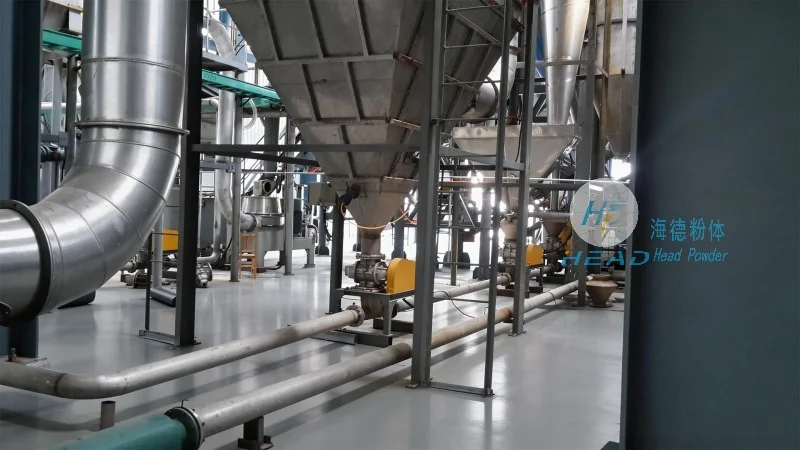
Shandong HeadPowder Engineering Co., Ltd. has successfully implemented fly ash pneumatic conveying systems in various industrial applications. For example, a thermal power plant in China used a pressure pneumatic conveying system to transport fly ash from the boiler to a storage silo, reducing the need for manual handling and minimizing dust exposure. The system was designed to handle a flow rate of 50 tons per hour and covered a distance of 200 meters. The plant reported a significant reduction in labor costs and improved safety for its operators. Another application involved the use of a vacuum system to transport fly ash from a collection hopper to a processing facility, where it was used as a raw material for cement production. The system was able to maintain a consistent flow rate despite variations in the fly ash's moisture content, demonstrating the robustness of the pneumatic conveying technology. These case studies highlight the effectiveness of fly ash pneumatic conveying systems in real-world industrial settings and the expertise of Shandong HeadPowder Engineering Co., Ltd. in designing and implementing such solutions.

 Shandong Headpowder Engineering Co., Ltd.
 156-6277-7102(Manager Zhang)
  0531-83386006
  Zhangqiu District, Jinan City, Shandong Province, China
telephone
WeChatconsult
top