With more than 10‑year industry experience, Shandong Headpowder delivers full‑service pneumatic‑conveying systems and blowers, undertaking nationwide turn‑key powder‑handling projects.
High-calcium powder materials are widely used in various industrial sectors, and efficient material handling is crucial for maintaining production efficiency and product quality. Pneumatic conveying systems offer a reliable solution for transporting these powders over long distances or within complex production lines. This article provides an in-depth look at the operation process and working principles of pneumatic conveying for high-calcium powder materials, highlighting the key components, operational steps, and technical considerations involved.
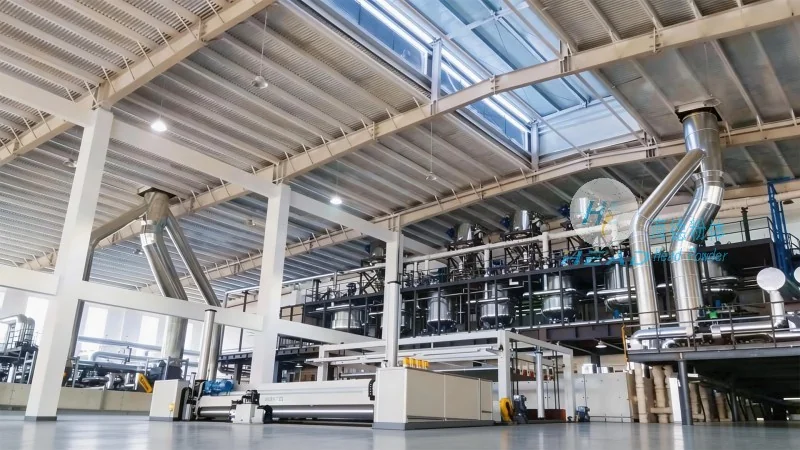
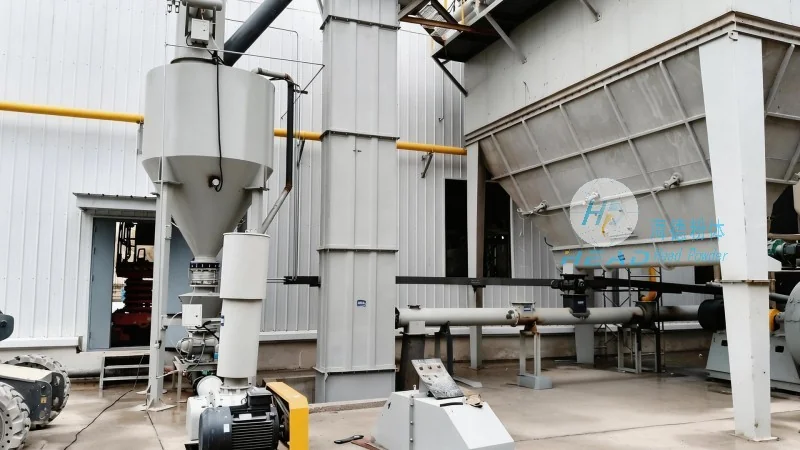
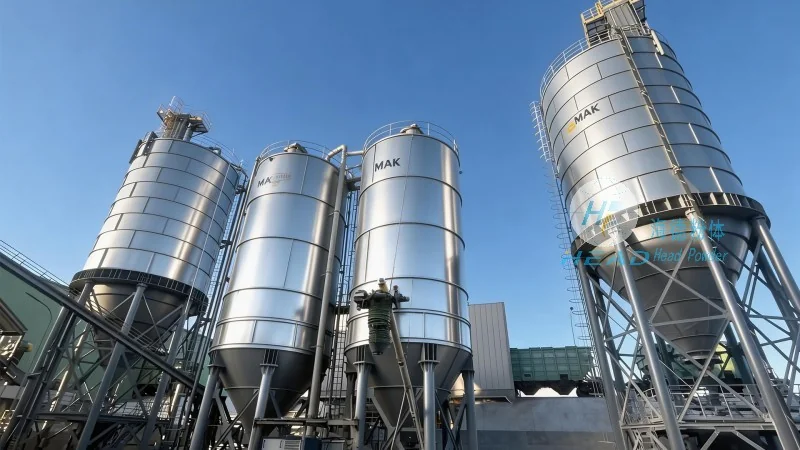
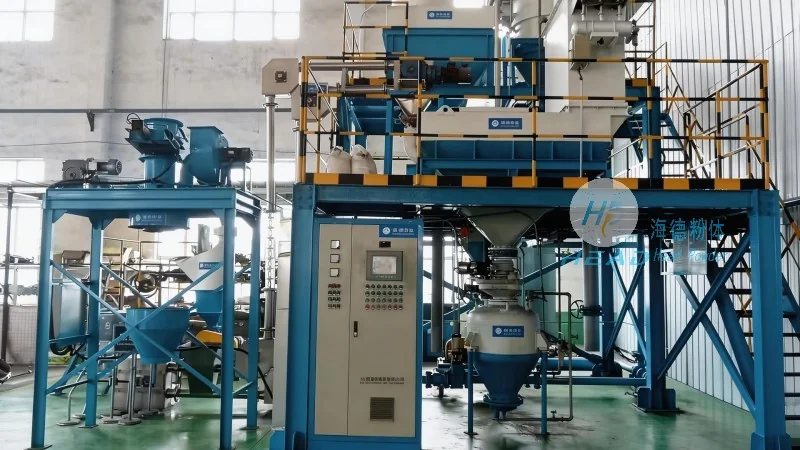
Pneumatic conveying, also known as pneumatic transport, is a method of moving bulk materials through a pipeline using compressed air or other gas. Unlike mechanical conveying systems (such as belt conveyors or screw conveyors), pneumatic systems do not require physical contact with the material, making them ideal for handling fine powders like high-calcium powder. The process involves creating a pressure differential within the pipeline to draw or push the material along with the air stream. This method is particularly advantageous for high-calcium powders due to their fine particle size and potential for dust generation, as it minimizes material degradation and contamination.
A typical pneumatic conveying system for high-calcium powder materials consists of several essential components that work in tandem to ensure smooth operation. These components include:

 Shandong Headpowder Engineering Co., Ltd.
 156-6277-7102(Manager Zhang)
  0531-83386006
  Zhangqiu District, Jinan City, Shandong Province, China
telephone
WeChatconsult
top