With more than 10‑year industry experience, Shandong Headpowder delivers full‑service pneumatic‑conveying systems and blowers, undertaking nationwide turn‑key powder‑handling projects.
HeadPowder, or Shandong HeadPowder Engineering Co., Ltd., is a professional manufacturer and supplier based in Shandong, China, specializing in the design, development, and production of advanced pneumatic conveying systems for bulk materials, including white powders. Our company focuses on providing efficient and reliable solutions for material handling in various industrial applications.
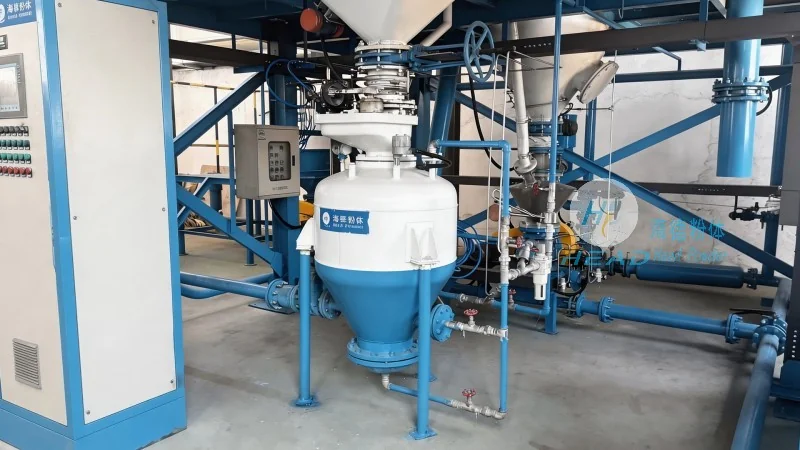
A pneumatic conveying system for white powder operates by using compressed air to transport dry bulk materials through a pipeline network. The process typically involves several key components and steps. First, the white powder is fed into a hopper or feeder, which ensures a consistent flow rate. Then, compressed air is introduced into the system, creating a pressure differential that propels the powder particles through the pipeline. The system may use different types of conveying modes, such as dilute-phase or dense-phase, depending on the material characteristics and application requirements. Dilute-phase conveying uses high-velocity air to suspend the particles, while dense-phase conveying uses lower velocity and higher pressure to move the material in a more controlled manner. The choice of mode affects the system's efficiency, material handling capacity, and overall performance.
The operation process of a white powder pneumatic conveying system begins with material preparation. The white powder is stored in a silo or bulk container and is then transferred to the system's hopper via a feeding mechanism. The feeding rate is controlled to match the system's capacity and the downstream processing requirements. Next, compressed air is supplied to the system, and the air pressure is adjusted to achieve the desired conveying velocity. The air and powder mixture travels through the pipeline, which may include bends, elbows, and other components to direct the flow to the destination. At the receiving end, the powder is separated from the air using a separator or filter, and the air is either recycled or vented to the atmosphere. The system's control system monitors parameters like pressure, flow rate, and temperature to ensure stable and efficient operation. Regular maintenance, such as cleaning the pipeline and checking for air leaks, is essential to maintain the system's performance and prevent material buildup or blockages.
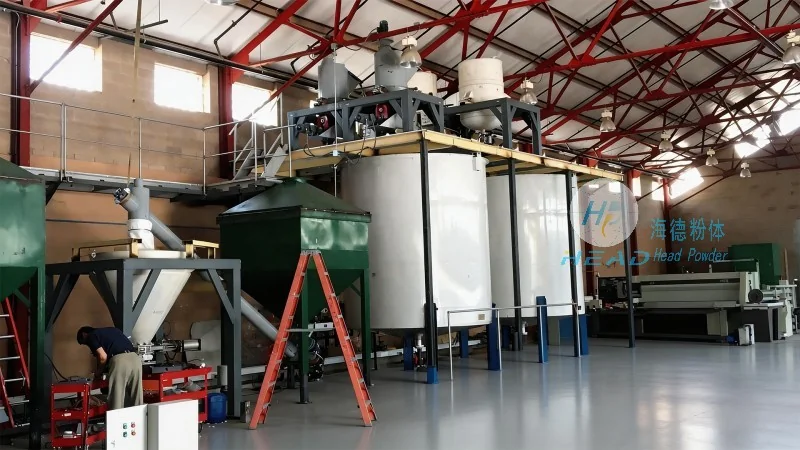
The white powder pneumatic conveying system consists of several critical components, each playing a vital role in the overall operation. The primary components include the material hopper or feeder, which holds the white powder and regulates its flow into the system. The feeder may be a rotary valve, screw feeder, or other mechanism to ensure a consistent feed rate. The compressed air supply system provides the necessary pressure and volume of air to move the material. This system includes an air compressor, air dryer, and filters to ensure clean and dry air, which is crucial for preventing material contamination and system blockages. The pipeline network connects the feeder to the receiving point and may include various fittings, such as elbows, tees, and bends, to direct the flow. The pipeline material is typically made of stainless steel or other corrosion-resistant materials to handle the white powder and prevent material buildup. The separator or filter at the receiving end separates the powder from the air, allowing the powder to be collected in a container or hopper and the air to be recycled or vented. The control system, often a PLC (Programmable Logic Controller), monitors and controls the operation of the system, adjusting parameters like air pressure, feed rate, and flow to maintain optimal performance.
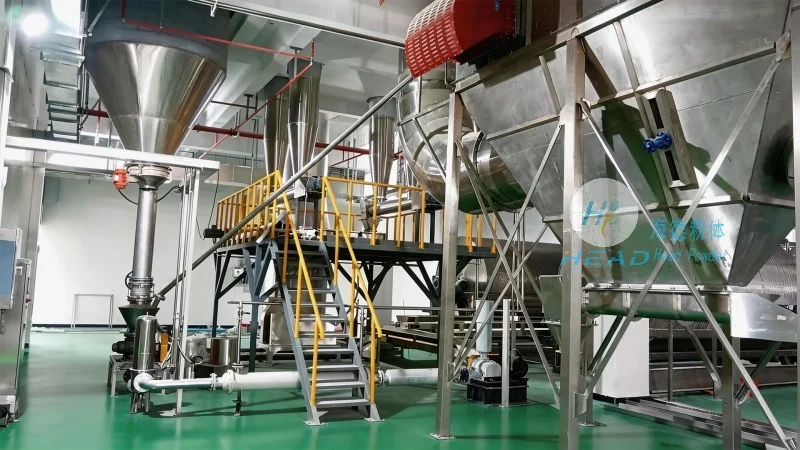
Pneumatic conveying systems offer several advantages when handling white powders compared to traditional methods like belt conveyors or bucket elevators. One of the main benefits is the ability to transport materials in a closed system, which reduces dust emissions and improves workplace safety. This is particularly important for white powders, which can be fine and easily airborne, posing health risks and environmental concerns. The closed system also prevents material contamination from external sources, ensuring the purity of the white powder for downstream processes. Another advantage is the flexibility of the system, as it can be easily reconfigured or expanded to accommodate changes in production volume or material types. The system can handle a wide range of powder characteristics, including different particle sizes, densities, and flowabilities, making it suitable for various industrial applications. Additionally, pneumatic conveying systems are generally more energy-efficient than other methods, as they use compressed air to move the material directly, reducing the need for mechanical components and maintenance. The system's compact design also saves space in industrial facilities, allowing for more efficient use of available floor area.
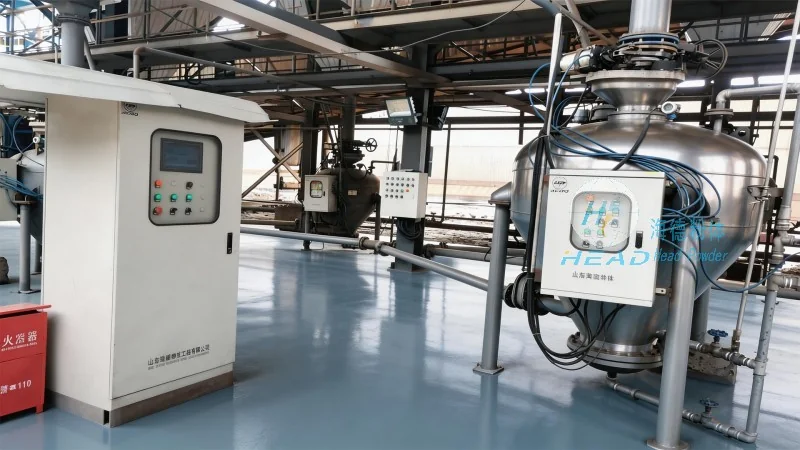
White powder pneumatic conveying systems are widely used in various industrial sectors, including pharmaceuticals, food processing, chemical manufacturing, and cosmetics. In the pharmaceutical industry, these systems are used to transport active ingredients, excipients, and other white powders with high purity requirements. The closed system ensures that the materials remain sterile and free from contamination, which is critical for pharmaceutical products. In food processing, the system is used to handle white powders like flour, sugar, and milk powder, ensuring that the food products are safe and meet quality standards. The system's ability to maintain a clean environment helps prevent cross-contamination and ensures the safety of the final products. In chemical manufacturing, the system is used to transport white powders such as catalysts, pigments, and other chemical additives. The system's reliability and efficiency help maintain consistent production processes and reduce downtime. In the cosmetics industry, the system is used to handle white powders like talc, kaolin, and other ingredients used in the production of creams, powders, and other cosmetic products. The system's ability to handle fine powders with precision ensures the quality and consistency of the final cosmetic products.
Regular maintenance is essential to ensure the long-term performance and reliability of a white powder pneumatic conveying system. The system's components, such as the hopper, feeder, and pipeline, should be inspected regularly for signs of wear, corrosion, or material buildup. The compressed air system should be checked for leaks and proper operation, as air leaks can reduce the system's efficiency and cause pressure drops. The separator or filter should be cleaned or replaced as needed to maintain its effectiveness in separating the powder from the air. The control system should be checked for proper operation and calibrated to ensure accurate monitoring and control of the system's parameters. Common issues that may arise in the system include blockages, air leaks, and pressure fluctuations. Blockages can occur due to material buildup in the pipeline or feeder, and can be resolved by cleaning the system or adjusting the feed rate. Air leaks can reduce the system's pressure and affect the conveying velocity, and can be fixed by sealing the connections. Pressure fluctuations can be caused by changes in the feed rate or air supply, and can be addressed by adjusting the system's controls or increasing the air supply capacity. By following a regular maintenance schedule and addressing issues promptly, the system can operate efficiently and reliably for extended periods.

 Shandong Headpowder Engineering Co., Ltd.
 156-6277-7102(Manager Zhang)
  0531-83386006
  Zhangqiu District, Jinan City, Shandong Province, China
telephone
WeChatconsult
top