With more than 10‑year industry experience, Shandong Headpowder delivers full‑service pneumatic‑conveying systems and blowers, undertaking nationwide turn‑key powder‑handling projects.
HeadPowder, a leading enterprise in the field of pneumatic conveying technology, specializes in the design, manufacturing, and implementation of systems tailored for the efficient handling of textile fiber powders. This article delves into the operation process and working principle of such systems, providing a comprehensive understanding of how these technologies enhance material transport in textile processing industries.
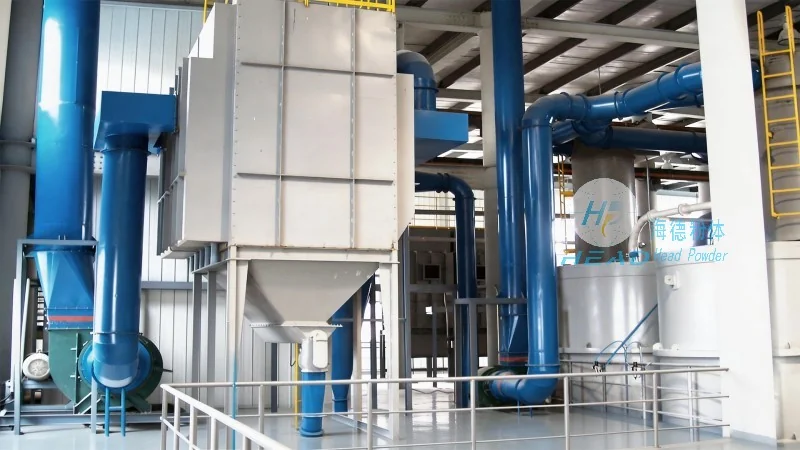
Pneumatic conveying systems are critical in textile manufacturing for transporting fine powders like cotton, polyester, or other synthetic fibers from storage silos to processing units. The technology involves the use of air or gas to move material through a pipeline network, eliminating the need for mechanical components like belts or buckets that might cause contamination or damage to delicate fibers. HeadPowder's expertise lies in optimizing these systems to ensure minimal product degradation, consistent flow rates, and energy efficiency.
At the heart of a pneumatic conveying system for textile fibers are several key components, each playing a vital role in the overall operation. The primary components include a material feed hopper, a rotary valve or feeder, a conveying pipeline, a pressure or vacuum source (such as a blower or vacuum pump), and a receiver or discharge unit. The feed hopper stores the textile fiber powder and regulates the flow into the system. The rotary valve ensures a controlled, continuous feed, preventing blockages and maintaining uniform material delivery. The conveying pipeline, often made of stainless steel or other corrosion-resistant materials, transports the powder mixed with air. The pressure or vacuum source creates the necessary airflow to move the material through the pipeline. Finally, the receiver collects the transported powder, ready for further processing.
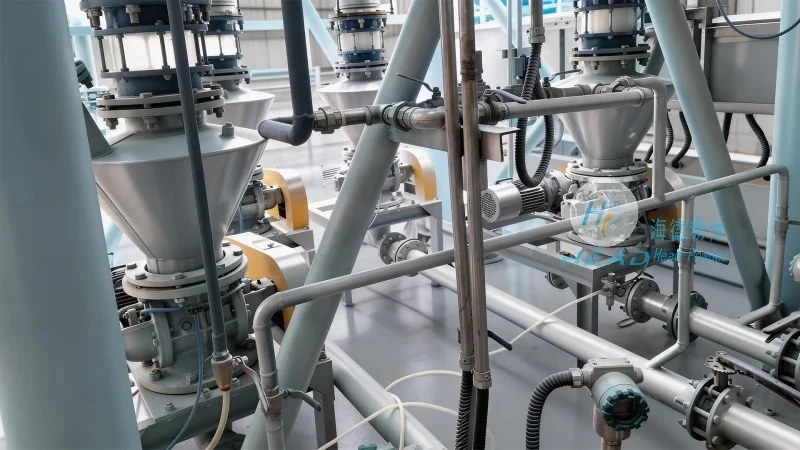
The operation of a pneumatic conveying system for textile fibers typically follows a sequential process. It begins with the material being loaded into the feed hopper. The rotary valve then opens to allow a controlled amount of fiber powder to enter the conveying pipeline. Simultaneously, the pressure source (e.g., a positive displacement blower) generates a high-pressure air stream that mixes with the powder, creating a slurry-like mixture. This mixture travels through the pipeline under pressure, moving towards the receiver. As the mixture reaches the receiver, the pressure is reduced, causing the air to separate from the powder. The separated air is then vented, while the fiber powder settles and is collected in the receiver. This process ensures that the textile fibers are transported efficiently and without damage, maintaining their quality for subsequent processing steps.
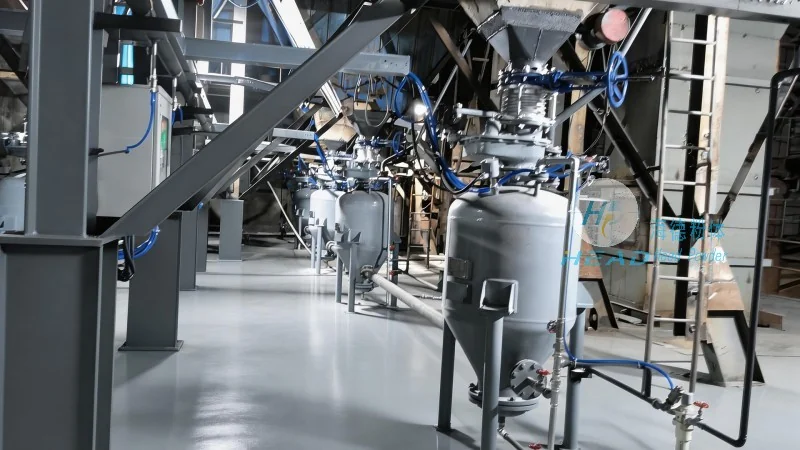
The working principle of pneumatic conveying for textile fibers is based on the interaction between the material particles and the air stream. In a positive pressure system, the blower supplies compressed air that pushes the powder through the pipeline. The air velocity must be sufficient to overcome the gravitational force and the frictional resistance within the pipeline, ensuring the powder is entrained and transported. The key to efficient conveying is maintaining an optimal air-to-material ratio, which balances the need for sufficient airflow to move the powder without excessive energy consumption. In a vacuum system, a vacuum pump creates a low-pressure environment that draws the powder from the source into the pipeline. This method is often used for shorter distances or when the material needs to be transported from a lower elevation to a higher one. The physics of particle entrainment, where the air velocity at the pipe wall is high enough to lift the particles, is crucial for the success of the conveying process. HeadPowder's systems are designed to optimize these parameters, ensuring reliable and consistent operation.
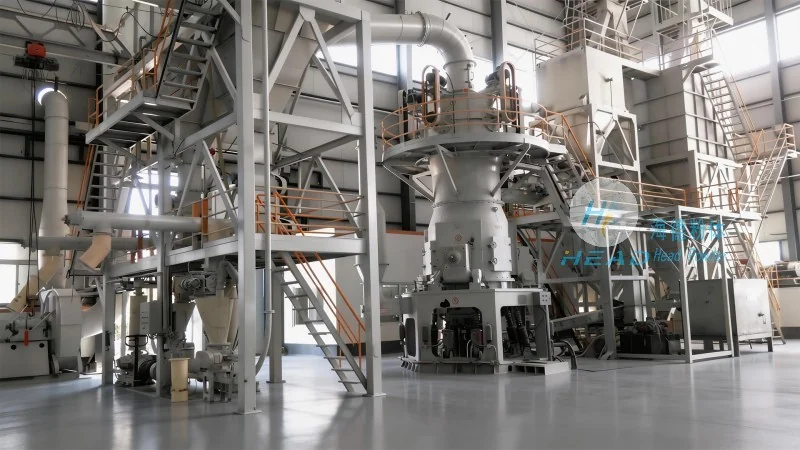
Implementing pneumatic conveying systems for textile fiber powders offers numerous benefits to manufacturers. These systems enhance operational efficiency by automating the material transport process, reducing labor costs and human error. They also minimize product contamination and degradation, as the enclosed pipeline prevents exposure to dust, moisture, or other environmental factors. Additionally, the systems are flexible and can be integrated into existing production lines, allowing for easy expansion or modification. HeadPowder's solutions are tailored to various textile applications, including the transport of raw fibers from storage to spinning machines, the movement of dyed powders between processing stages, and the handling of waste fibers for recycling. The company's expertise in customizing systems ensures that each solution meets the specific requirements of the client, whether it's for high-volume production or specialized processing needs.
HeadPowder Engineering Co., Ltd., based in Shandong, China, is a trusted provider of pneumatic conveying systems for textile fiber powders. By combining advanced technology with a deep understanding of textile processing needs, the company delivers solutions that improve efficiency, maintain product quality, and reduce operational costs. The operation process and working principle of these systems, as detailed above, highlight the sophistication and reliability of modern pneumatic conveying technology. As the textile industry continues to evolve, the importance of efficient material handling systems will only grow, and companies like HeadPowder will play a crucial role in meeting these demands. With a focus on innovation and customer satisfaction, HeadPowder remains at the forefront of providing effective solutions for the transportation of textile fiber powders, ensuring the continued success of textile manufacturing operations worldwide.

 Shandong Headpowder Engineering Co., Ltd.
 156-6277-7102(Manager Zhang)
  0531-83386006
  Zhangqiu District, Jinan City, Shandong Province, China
telephone
WeChatconsult
top