With more than 10‑year industry experience, Shandong Headpowder delivers full‑service pneumatic‑conveying systems and blowers, undertaking nationwide turn‑key powder‑handling projects.
For industries dealing with bulk grain handling, especially soybeans, efficient and reliable material transport is crucial. Pneumatic conveying systems have emerged as a preferred solution due to their ability to handle various grain types with minimal contamination and operational flexibility. This article explores the operation process and working principle of soybean grain pneumatic conveying equipment, highlighting its significance in modern agricultural and food processing applications.
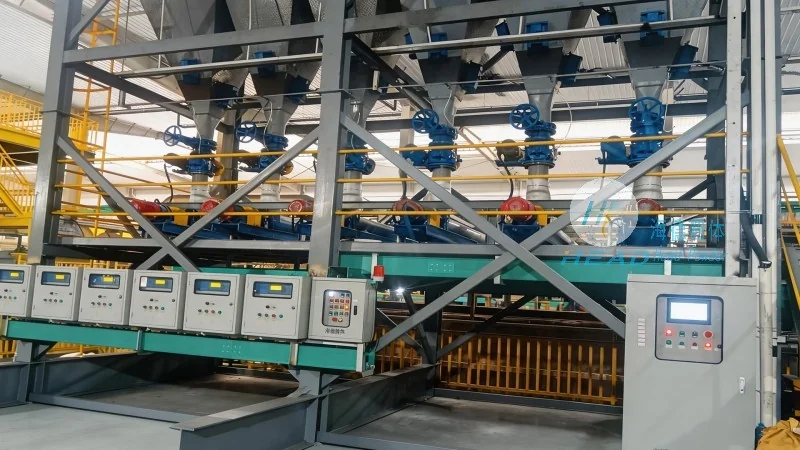
Soybeans are a vital agricultural commodity worldwide, used in food production, animal feed, and industrial applications. The efficient handling of soybeans from storage to processing requires equipment that ensures product integrity, safety, and operational efficiency. Pneumatic conveying systems, particularly those designed for soybean grain, offer a solution that minimizes manual handling, reduces labor costs, and maintains the quality of the grain. HeadPowder, a leading manufacturer based in Shandong, China, specializes in developing advanced pneumatic conveying solutions tailored to the unique needs of soybean processing.
HeadPowder, with its headquarters in Shandong, China, is a reputable company dedicated to engineering innovative solutions for bulk material handling. The company's expertise lies in designing and manufacturing pneumatic conveying equipment that meets the highest standards of performance, durability, and safety. By leveraging years of experience in the industry, HeadPowder has established itself as a trusted partner for businesses seeking reliable grain handling systems. The company's commitment to quality and customer satisfaction has made it a preferred choice for industries dealing with soybeans and other bulk grains.
A typical soybean grain pneumatic conveying system consists of several key components that work in tandem to ensure smooth material transport. These components include the hopper for material storage, the conveyor line (either positive or negative pressure), the air compressor or vacuum pump, and the separation and discharge units. Each component plays a critical role in the overall operation, contributing to the system's efficiency and effectiveness.
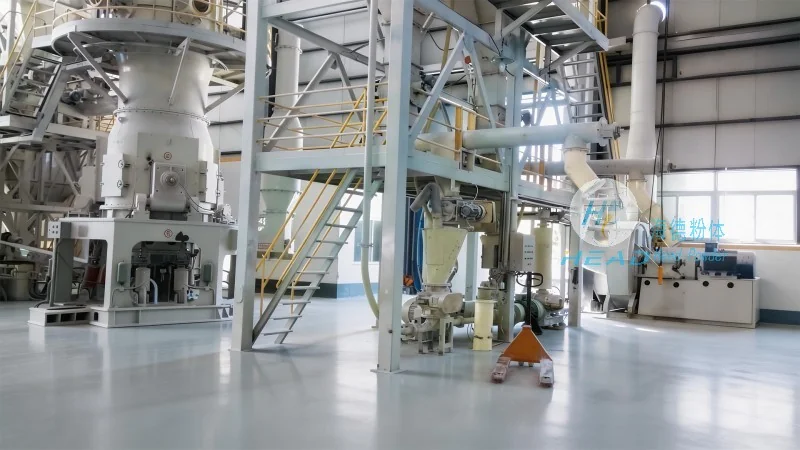
The operation process of soybean grain pneumatic conveying equipment involves several sequential steps that ensure the safe and efficient movement of grain from the storage area to the processing or packaging unit. The process typically begins with the loading of soybeans into the hopper. The hopper is designed to hold a sufficient quantity of grain, allowing for continuous operation without frequent refilling. Once the hopper is filled, the material is fed into the conveyor line through a feeder mechanism. The feeder controls the flow rate of the grain, ensuring a consistent and controlled supply to the conveying system.
Next, the conveying line is activated, either by a positive pressure system that forces air through the line or a negative pressure system that creates a vacuum to draw the grain. The air flow is regulated to maintain the appropriate velocity for the grain particles, preventing clogging and ensuring smooth transport. As the soybeans travel through the conveyor line, they are carried by the air stream to the destination point, such as a silo, processing plant, or packaging area. The conveying process is designed to minimize the risk of product damage, as the air flow is gentle and the system is enclosed to prevent contamination.
Upon reaching the destination, the soybeans are separated from the air stream using a separator or cyclone. The separator uses centrifugal force to separate the grain from the air, allowing the grain to be discharged into a collection bin or storage container. The air, now free of grain particles, is either filtered and recirculated or released to the atmosphere, depending on the system design. This separation step is crucial for maintaining the purity of the grain and ensuring that the air is clean before being discharged.
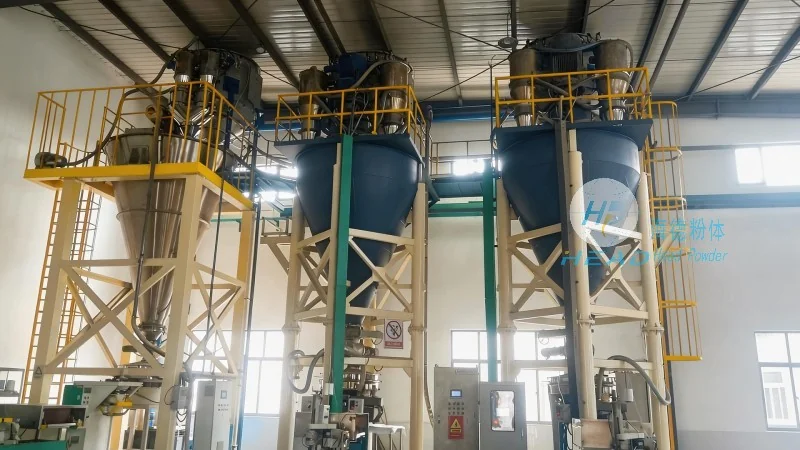
The final step in the operation process involves the unloading of the soybeans from the collection bin. The unloading mechanism, such as a conveyor or elevator, moves the grain to the next stage of processing or packaging. The entire process is automated to a large extent, reducing the need for manual intervention and minimizing the risk of human error. The system is also equipped with safety features, such as pressure relief valves and emergency stop buttons, to ensure the safety of operators and prevent equipment damage.
The working principle of soybean grain pneumatic conveying equipment is based on the fundamental physics of fluid dynamics and particle transport. The system operates by using air as the conveying medium to transport the soybean grains through a pipeline. The key principle is the creation of a pressure differential between the inlet and outlet of the conveying line, which drives the movement of the grain particles.
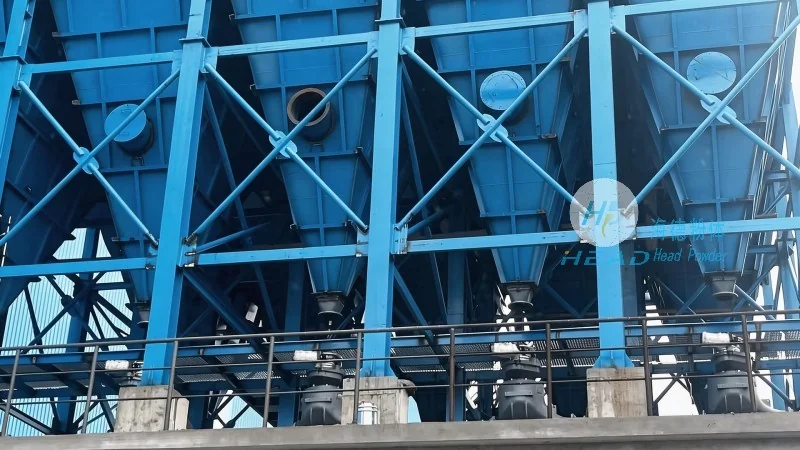
In a positive pressure system, an air compressor generates high-pressure air that is forced through the conveyor line. The air flow carries the soybeans along the pipeline, with the pressure difference ensuring that the grain moves in the desired direction. The velocity of the air is critical, as it must be sufficient to lift and transport the grain particles without causing excessive wear on the equipment. The system is designed to maintain a consistent air velocity, which is typically controlled by adjusting the air pressure or the diameter of the conveyor line.
In a negative pressure system, a vacuum pump creates a low-pressure environment at the outlet of the conveying line. This pressure differential draws the soybeans into the line, where they are carried by the air stream to the collection point. The negative pressure system is often preferred for applications where the grain needs to be transported from a higher elevation to a lower one, as the vacuum helps to overcome the gravitational force and move the grain efficiently.
The separation process in the system is based on the principle of centrifugal force. As the air and grain mixture enters the separator, the centrifugal force causes the heavier grain particles to move towards the outer wall of the separator, while the lighter air particles are directed towards the center and discharged. The grain is then collected at the bottom of the separator and discharged into the collection bin. The air, now free of grain particles, is either filtered and recirculated to the system or released to the atmosphere, depending on the system design.

 Shandong Headpowder Engineering Co., Ltd.
 156-6277-7102(Manager Zhang)
  0531-83386006
  Zhangqiu District, Jinan City, Shandong Province, China
telephone
WeChatconsult
top