With more than 10‑year industry experience, Shandong Headpowder delivers full‑service pneumatic‑conveying systems and blowers, undertaking nationwide turn‑key powder‑handling projects.
Ammonium bicarbonate, a white crystalline powder widely used in the food, pharmaceutical, and chemical industries, presents unique handling challenges due to its hygroscopic nature and tendency to caking. Traditional bulk material handling methods often struggle with dust control, material degradation, and efficient transport, especially when dealing with this sensitive chemical. Pneumatic conveying systems offer a sophisticated solution to these challenges, enabling safe, efficient, and dust-free transfer of ammonium bicarbonate from storage to processing units. This article explores the key aspects of pneumatic conveying solutions tailored for ammonium bicarbonate, highlighting the technical considerations, system configurations, and benefits that make them an ideal choice for industrial applications.
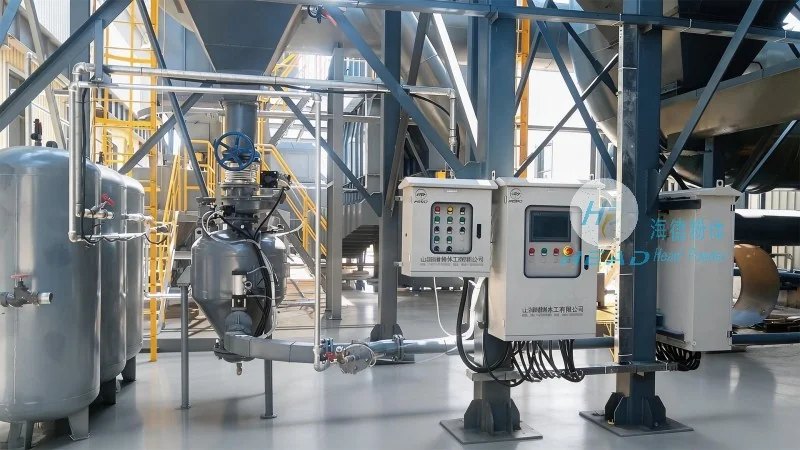
At Shandong HeadPowder Engineering Co., Ltd., we specialize in designing and implementing customized pneumatic conveying solutions for a wide range of bulk materials, including ammonium bicarbonate. With years of experience in the field, our team of engineers and technicians brings a deep understanding of material properties and system dynamics to every project. We are committed to delivering systems that not only meet but exceed industry standards for efficiency, reliability, and safety. Our approach is tailored to each client's specific needs, ensuring that the final solution is optimized for their operational environment and production goals.
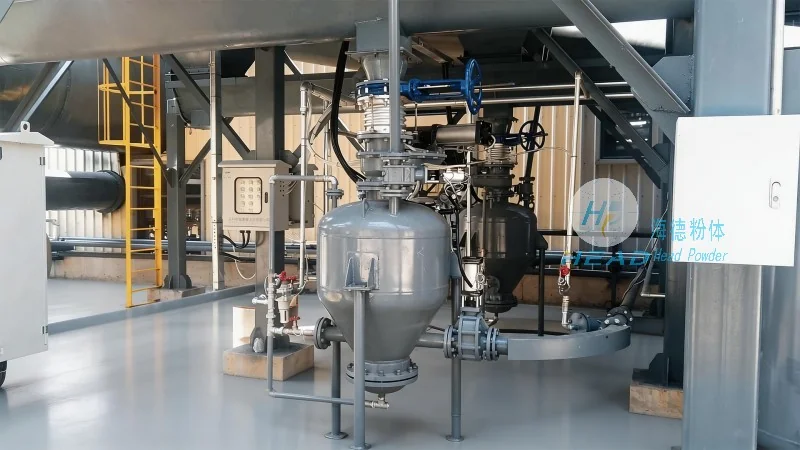
When selecting a pneumatic conveying system for ammonium bicarbonate, several critical features must be considered to ensure optimal performance and material integrity. First, the system must be designed to handle the hygroscopic nature of the material, preventing moisture absorption and subsequent caking. This often involves incorporating drying or moisture control mechanisms within the conveying line. Second, the system should minimize particle degradation, as ammonium bicarbonate is sensitive to impact and friction. Gentle handling, such as using low-velocity conveying or air slide designs, is essential to maintain product quality. Third, dust control is paramount, as ammonium bicarbonate is a fine powder that can create significant airborne dust during handling. Advanced filtration systems and sealed equipment are integral to maintaining a safe and clean working environment. Additionally, the system must be capable of handling varying flow rates and material consistency, ensuring smooth and continuous operation. These features collectively contribute to a reliable and efficient conveying process that preserves the quality of ammonium bicarbonate throughout the transfer.
Pneumatic conveying systems for ammonium bicarbonate can be categorized into several configurations based on the conveying principle and application requirements. The most common types include pressure conveying, vacuum conveying, and hybrid systems. Pressure conveying systems use compressed air to push material through the pipeline, typically from a storage silo to a processing unit. This method is suitable for long-distance and high-volume transfers, offering high efficiency and minimal pressure drop. Vacuum conveying systems, on the other hand, use a vacuum to draw material from a hopper or storage area into the conveying line. This approach is ideal for applications requiring material to be transferred from multiple points or over shorter distances. Hybrid systems combine elements of both pressure and vacuum conveying, providing flexibility in handling different material characteristics and operational scenarios. Key components of these systems include feeders (such as rotary valves or screw feeders) to control material flow, air compressors or vacuum pumps to generate the necessary pressure or vacuum, conveying pipelines (often made of stainless steel to prevent corrosion), and separation or filtration units to clean the air and collect any material that may have escaped. Each component is carefully selected and integrated to ensure the system operates smoothly and meets the specific demands of ammonium bicarbonate handling.
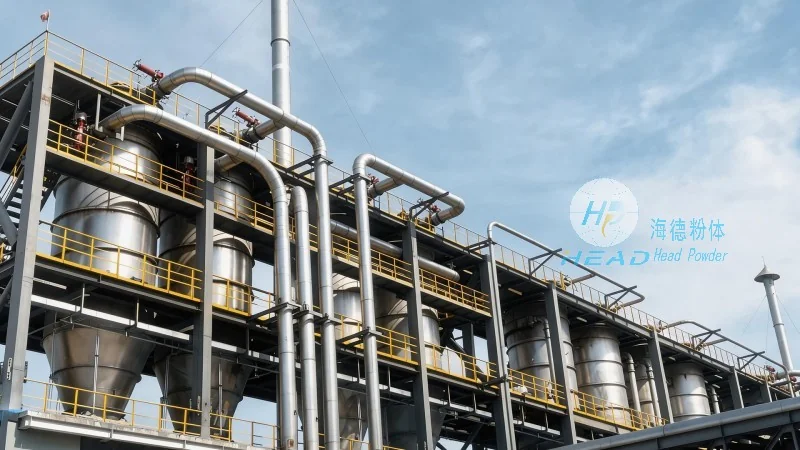
Adopting a pneumatic conveying system for ammonium bicarbonate offers numerous benefits that enhance operational efficiency and product quality. One of the primary advantages is the elimination of dust and contamination, which is crucial for maintaining product purity and meeting regulatory standards. Unlike traditional methods such as bucket elevators or belt conveyors, pneumatic systems keep the material enclosed, reducing the risk of cross-contamination and environmental pollution. This not only improves workplace safety but also extends the lifespan of equipment by minimizing wear and tear from dust exposure. Another significant benefit is the improved material handling efficiency. Pneumatic systems can handle high volumes of material at a consistent rate, reducing downtime and increasing overall productivity. The ability to transfer material from multiple storage points to a single processing unit without the need for manual intervention or additional equipment further streamlines operations. Additionally, these systems are highly adaptable, allowing for easy integration with existing production lines and future expansion. By investing in a pneumatic conveying solution, industries dealing with ammonium bicarbonate can achieve cost savings through reduced maintenance, lower material loss, and increased throughput. The long-term reliability and low operational costs make this technology a smart investment for any facility seeking to optimize its material handling processes.

 Shandong Headpowder Engineering Co., Ltd.
 156-6277-7102(Manager Zhang)
  0531-83386006
  Zhangqiu District, Jinan City, Shandong Province, China
telephone
WeChatconsult
top