With more than 10‑year industry experience, Shandong Headpowder delivers full‑service pneumatic‑conveying systems and blowers, undertaking nationwide turn‑key powder‑handling projects.
Handling dry ash generated from power plants, cement factories, and industrial boilers is a critical operational challenge. The dust is fine, lightweight, and poses significant environmental and safety risks if not managed correctly. Consequently, selecting the right method for **dry ash conveying** is paramount for facility managers and engineers. This article explores the various techniques available, with a specific focus on the advanced air conveying systems provided by Shandong Headpowder Engineering Co., Ltd.
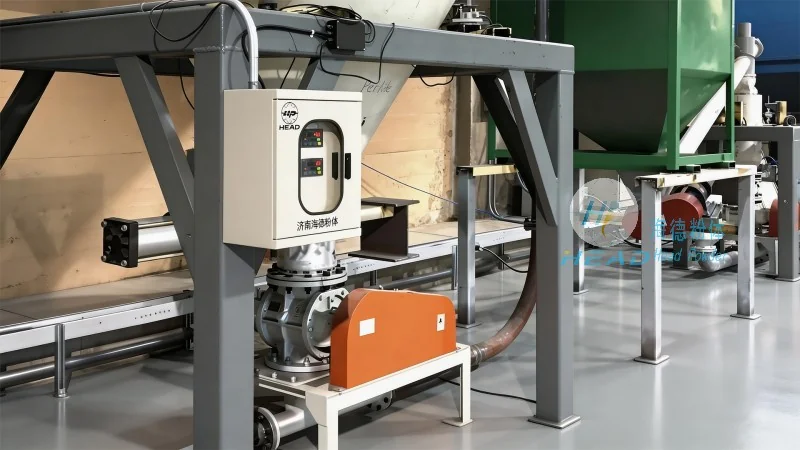
Traditional methods of ash removal often involve mechanical conveyors, which can be noisy, prone to blockages, and require high maintenance due to dust leakage. In contrast, pneumatic conveying systems have revolutionized the industry by offering a clean, efficient, and automated alternative. These systems use pressurized air or gas to transport materials through a pipeline, ensuring that the material remains contained within the system.
When discussing **dry ash pneumatic conveying**, it is essential to understand the underlying principles that make it effective. The process relies on creating a pressure differential within the pipeline to move the ash. There are generally two primary modes of operation used in industrial settings: dilute phase (low pressure) and dense phase (high pressure). Dilute phase systems are often used for short distances and lower capacities, utilizing high-velocity air to carry the material. However, for heavier, more abrasive materials like fly ash, dense phase systems are often preferred because they transport the material at lower velocities, significantly reducing wear on the pipeline and equipment.
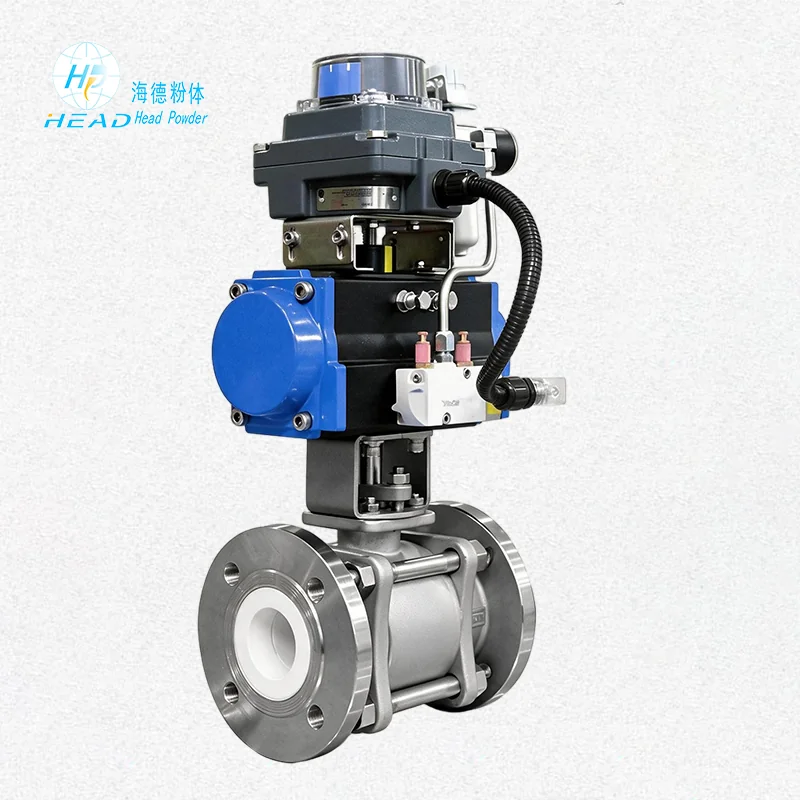
Shandong Headpowder Engineering Co., Ltd. has established itself as a leading provider of specialized solutions in this field. Located in Shandong, China, the company leverages local manufacturing capabilities and engineering expertise to deliver robust **dry ash pneumatic conveying** systems tailored to specific client needs. Their approach focuses on minimizing dust pollution and maximizing the efficiency of the **material conveying** process. By integrating advanced control systems, they ensure that the transfer of dry ash is seamless and reliable, reducing the manual labor required on-site.
The systems designed by Headpowder are characterized by their durability and adaptability. They are engineered to handle the abrasive nature of dry ash, ensuring a long service life for the infrastructure. A significant advantage of their technology is the reduction of secondary pollution; because the system is a closed loop, there is no dust escaping into the atmosphere during the transfer process. This is particularly important for facilities operating in environmentally regulated zones. Furthermore, the **dry ash conveying** systems are designed for easy integration with existing plant layouts, requiring minimal floor space and offering flexible piping routing to accommodate various facility designs.
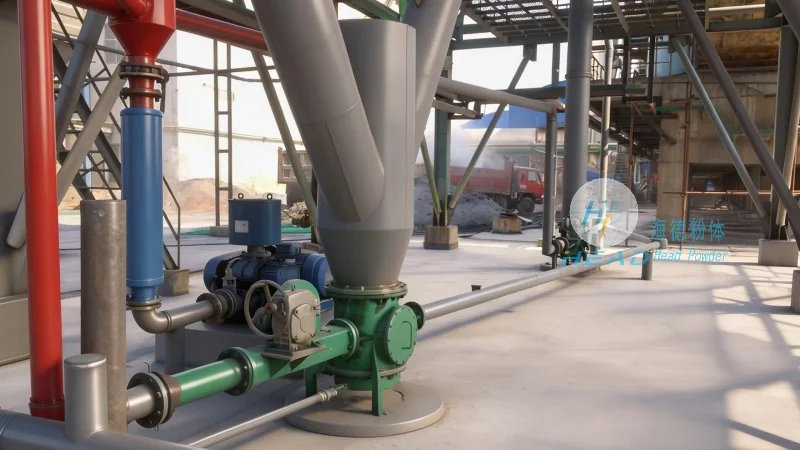
Investing in a professional **material conveying** solution from a dedicated engineering firm like Shandong Headpowder Engineering Co., Ltd. ensures compliance with safety standards and operational efficiency. The expertise provided goes beyond just supplying equipment; it involves comprehensive project analysis, design optimization, and technical support. Whether the requirement is for a new facility or the retrofitting of an existing one, professional engineering ensures that the system parameters are calculated correctly to prevent blockages and ensure consistent flow rates.
For those interested in upgrading their ash handling infrastructure or seeking a reliable partner for **dry ash pneumatic conveying** projects, Shandong Headpowder Engineering Co., Ltd. is ready to assist. The company is committed to providing high-quality engineering solutions to clients both domestically and internationally. To discuss your specific requirements or to obtain a detailed consultation, please contact Mr. Zhang, the contact person at the company. You may reach them via WeChat at 15662777102 to initiate the discussion regarding your material handling needs.

 Shandong Headpowder Engineering Co., Ltd.
 156-6277-7102(Manager Zhang)
  0531-83386006
  Zhangqiu District, Jinan City, Shandong Province, China
telephone
WeChatconsult
top