With more than 10‑year industry experience, Shandong Headpowder delivers full‑service pneumatic‑conveying systems and blowers, undertaking nationwide turn‑key powder‑handling projects.
When it comes to handling and transporting rice flour, the choice of a pneumatic conveying system is critical for maintaining product quality, ensuring operational efficiency, and meeting production demands. As a specialized engineering company, Shandong HeadPowder Engineering Co., Ltd. (referred to as HeadPowder) understands the unique challenges associated with rice flour, a fine and delicate powder that requires careful handling to prevent agglomeration and degradation. This article outlines the key design considerations for developing effective rice flour pneumatic conveying solutions, focusing on technical aspects that ensure reliable performance and long-term operational success.
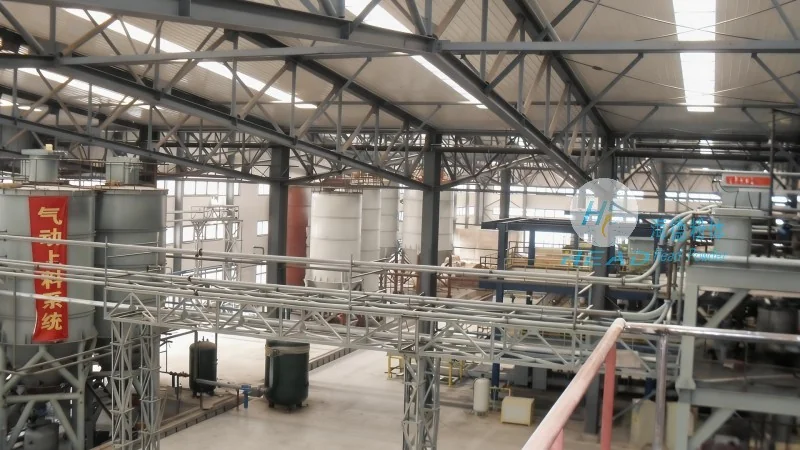
Before diving into specific design elements, it is essential to understand the fundamental requirements that define a successful rice flour pneumatic conveying system. Rice flour, with its fine particle size and hygroscopic nature, demands a system that can handle low to moderate pressure, maintain consistent flow rates, and prevent product contamination. The system must also be designed to minimize product degradation, which can occur due to excessive pressure drops, high temperatures, or improper material handling. At HeadPowder, our approach begins with a thorough analysis of the client's production scale, material characteristics, and operational environment to tailor a solution that meets these specific needs.
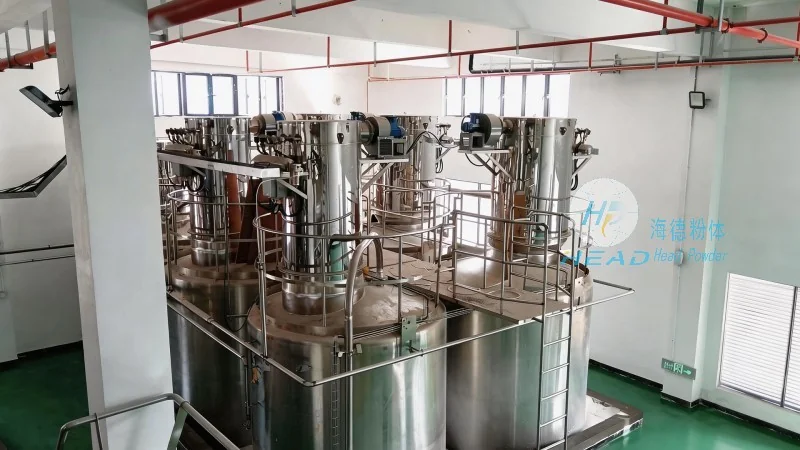
There are several types of pneumatic conveying systems suitable for rice flour, each with its own advantages and applications. The most common systems include positive displacement blowers, rotary lobe blowers, and vacuum pumps. Positive displacement blowers are ideal for high-pressure applications, providing consistent flow rates even with varying material loads. Rotary lobe blowers, on the other hand, are suitable for medium to high pressure and can handle larger particle sizes and higher flow rates. Vacuum pumps are commonly used in suction applications, where the material is drawn from a hopper or storage bin. For rice flour, which is typically fine and requires gentle handling, a combination of these systems may be employed to achieve optimal performance. HeadPowder specializes in selecting the most appropriate system type based on the client's specific requirements, ensuring that the chosen solution delivers the best balance of efficiency, cost-effectiveness, and product protection.
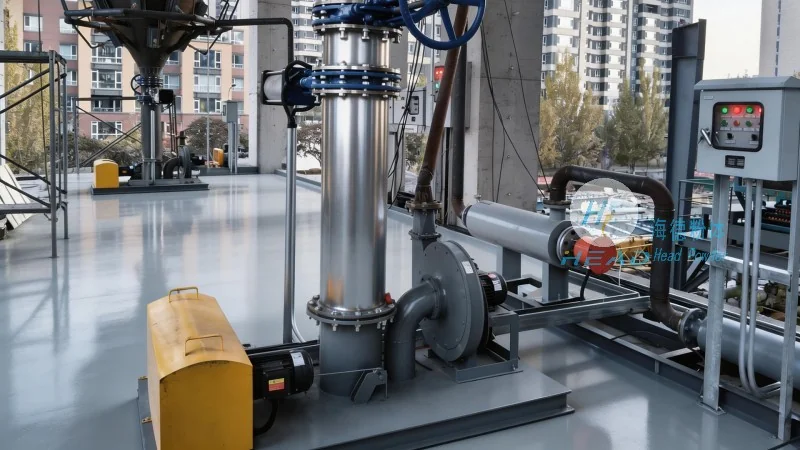
The layout of a pneumatic conveying system is a critical factor that impacts its performance and reliability. A well-designed system should include components such as feeders, hoppers, conveyors, filters, and dust collectors, all integrated to work in harmony. The feeder is responsible for controlling the flow rate of rice flour into the system, and it must be designed to handle the material's characteristics, such as its flowability and potential for bridging. The hopper, where the rice flour is stored before being conveyed, should be equipped with appropriate aeration and mixing mechanisms to prevent agglomeration and ensure consistent material flow. The conveyor itself must be selected based on the system's pressure requirements and the material's particle size. For rice flour, which is fine and can create high friction, the use of flexible hoses or rigid pipes with smooth interiors is recommended to minimize pressure losses and prevent product degradation. Additionally, the system should include filters and dust collectors to ensure that the air is clean and that the rice flour is not lost during the conveying process. HeadPowder's engineers carefully design each component and its integration to ensure that the system operates efficiently and maintains product quality throughout the conveying process.
One of the most critical aspects of designing a pneumatic conveying system for rice flour is ensuring product protection. Rice flour is a sensitive material that can be easily damaged by excessive pressure, high temperatures, or improper handling. To address this, the system must be designed to maintain low pressure differentials and avoid high-velocity air streams that could cause particle breakage. The use of gentle conveying methods, such as low-pressure systems or pneumatic conveying with air cushions, can help minimize product degradation. Additionally, the system should include features such as temperature control and moisture management to prevent the rice flour from becoming clumpy or losing its quality. HeadPowder incorporates advanced materials and design techniques to protect the rice flour during transportation, ensuring that the final product meets the required quality standards. This includes the use of stainless steel components, which are resistant to corrosion and can maintain the purity of the rice flour, and the implementation of air filtration systems that remove contaminants from the conveying air.
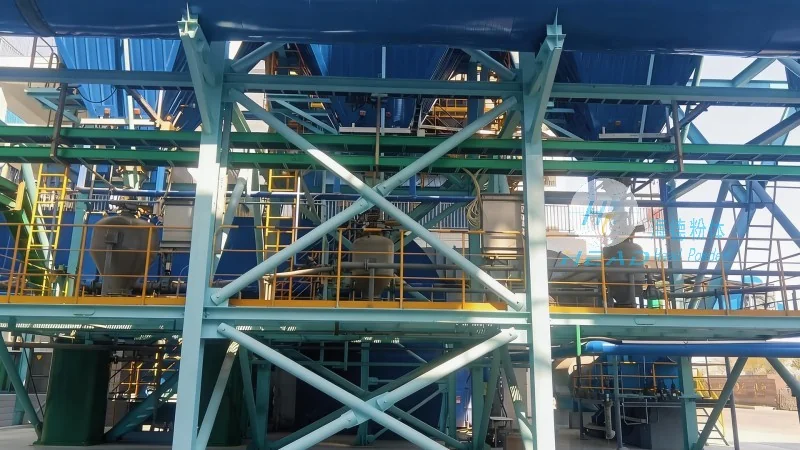
Modern pneumatic conveying systems for rice flour often require integration with other processing equipment, such as mills, mixers, and packaging machines. This integration allows for a seamless flow of material from one stage to the next, improving overall production efficiency. Automation plays a crucial role in this integration, as it enables the system to respond to changes in production demand and maintain consistent flow rates. At HeadPowder, we design systems that are compatible with various automation technologies, including PLC (Programmable Logic Controller) and SCADA (Supervisory Control and Data Acquisition) systems. These systems allow for real-time monitoring of the conveying process, enabling operators to detect and address issues promptly. Additionally, automation can help reduce labor costs and improve safety by minimizing the need for manual handling of the rice flour. The integration of automation and other processing equipment ensures that the pneumatic conveying system operates as part of a larger, efficient production line, enhancing overall productivity and reducing downtime.

 Shandong Headpowder Engineering Co., Ltd.
 156-6277-7102(Manager Zhang)
  0531-83386006
  Zhangqiu District, Jinan City, Shandong Province, China
telephone
WeChatconsult
top