With more than 10‑year industry experience, Shandong Headpowder delivers full‑service pneumatic‑conveying systems and blowers, undertaking nationwide turn‑key powder‑handling projects.
Positive pressure dilute phase pneumatic conveying systems represent a sophisticated method for transporting bulk materials over long distances with high efficiency and minimal operational complexity. These systems are widely utilized in various industrial sectors, including chemical, pharmaceutical, food processing, and mineral processing, due to their ability to handle a broad range of materials while maintaining product integrity and operational safety. The core of such systems lies in the integration of specialized equipment designed to manage the flow of material and air under controlled pressure conditions.
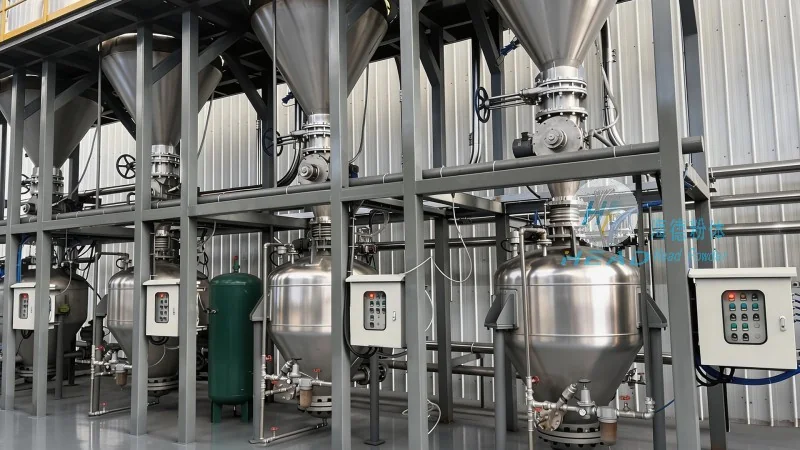
HeadPowder, as the brand name, operates under the full name Shandong HeadPowder Engineering Co., Ltd., a leading manufacturer and supplier of advanced pneumatic conveying solutions. With a strong presence in China, particularly in Shandong province, the company specializes in designing, manufacturing, and commissioning positive pressure dilute phase systems tailored to meet the diverse needs of industrial clients. The company’s commitment to quality, innovation, and customer satisfaction has established it as a trusted partner in the field of material handling technology.
The operation of a positive pressure dilute phase pneumatic conveying system involves several critical components that work in concert to ensure effective material transport. The primary components include the material feed hopper, which stores and feeds the bulk material into the system; the air compressor or blower, which generates the necessary air pressure to move the material; the conveying line, typically made of metal or flexible tubing, which transports the material-air mixture; and the receiving hopper or silo, where the material is deposited. Additionally, control valves, filters, and pressure regulators are integral to managing the system’s performance and maintaining optimal operating conditions.
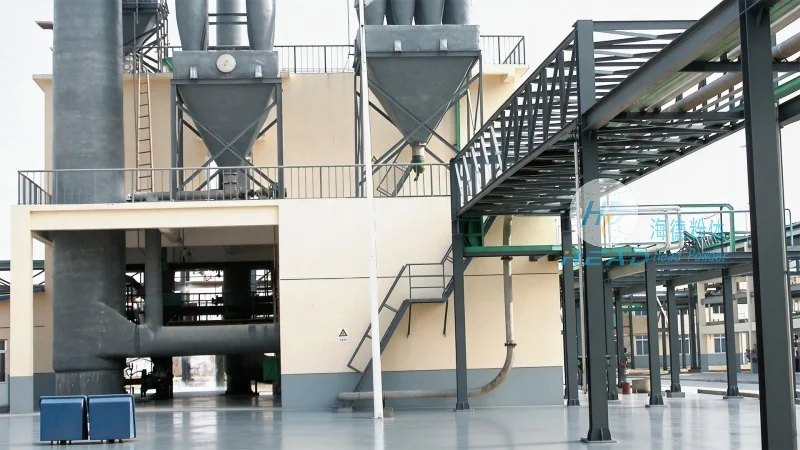
In a positive pressure system, the air compressor pressurizes the conveying line, creating a pressure differential that drives the material from the feed point to the discharge point. The material is introduced into the line as a dilute phase, meaning it is suspended in the air stream rather than forming a dense slug. This dilute phase allows for smooth, continuous flow and reduces the risk of blockages or material degradation. The air pressure is carefully controlled to ensure that the material is carried at an appropriate velocity, balancing efficiency with energy consumption. The system operates by continuously feeding material into the pressurized line, where it is carried by the air flow until it reaches the receiving end, where the air is filtered and the material is separated for storage or further processing.
The operational process of a positive pressure dilute phase system begins with material loading into the feed hopper. The hopper is equipped with a feeder, such as a rotary valve or screw feeder, which controls the rate of material discharge into the conveying line. Simultaneously, the air compressor starts, generating the required pressure to initiate the conveying process. As material enters the line, it is mixed with the pressurized air, forming a dilute phase mixture that travels through the conveying line. The mixture moves at a velocity sufficient to keep the material suspended, preventing it from settling or clogging the line. At the receiving end, the material is deposited into the receiving hopper, while the air is passed through a filter to remove any residual dust or particles. The filtered air is then typically vented to the atmosphere or recycled back into the system, depending on the specific application requirements. The entire process is automated and monitored, with control systems ensuring consistent performance and minimizing downtime.
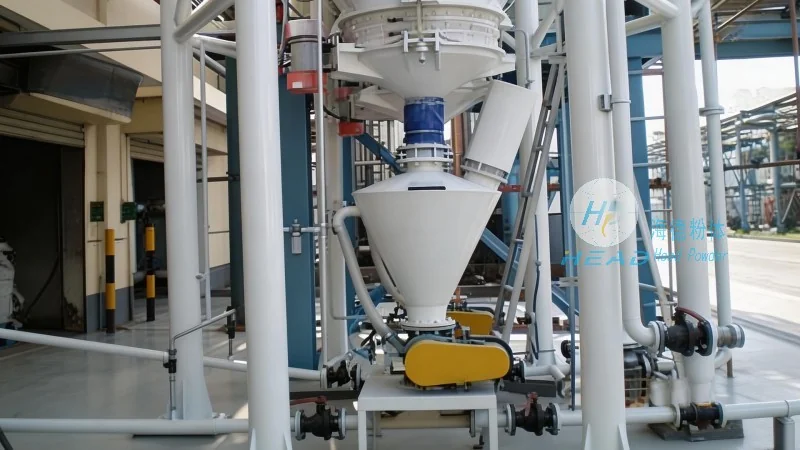
Positive pressure dilute phase pneumatic conveying systems offer several advantages over other material handling methods. One of the key benefits is the ability to transport materials over long distances with minimal energy consumption compared to dense phase systems. The dilute phase operation also reduces the risk of material degradation, as the material is not subjected to high pressure or shear forces that can affect its physical or chemical properties. Additionally, these systems are highly flexible, allowing for changes in material type or flow rate without significant modifications to the equipment. The positive pressure design also enhances safety by preventing the ingress of external air into the system, which is particularly important for handling hazardous or sensitive materials. Furthermore, the systems are relatively easy to install and maintain, with modular components that can be replaced or upgraded as needed.
Positive pressure dilute phase systems are employed in a wide range of industrial applications. In the chemical industry, they are used to transport powders, granules, and pellets for processing and packaging. The pharmaceutical industry benefits from these systems for handling raw materials and finished products, ensuring compliance with stringent quality and safety standards. Food processing facilities utilize positive pressure systems to convey ingredients such as flour, sugar, and spices, maintaining product freshness and hygiene. The mineral processing sector also relies on these systems for transporting ores, concentrates, and tailings, improving operational efficiency and reducing labor costs. Overall, the versatility and reliability of positive pressure dilute phase systems make them an essential component of modern material handling operations across various industries.

 Shandong Headpowder Engineering Co., Ltd.
 156-6277-7102(Manager Zhang)
  0531-83386006
  Zhangqiu District, Jinan City, Shandong Province, China
telephone
WeChatconsult
top