With more than 10‑year industry experience, Shandong Headpowder delivers full‑service pneumatic‑conveying systems and blowers, undertaking nationwide turn‑key powder‑handling projects.
HeadPowder, a leading manufacturer based in Shandong, China, specializes in the design and production of advanced pneumatic conveying equipment tailored for handling lithium iron carbonate. This article provides a detailed overview of the operation process and working principles of such systems, highlighting key components, operational steps, and the technical advantages that make them efficient for material transport in industrial applications.
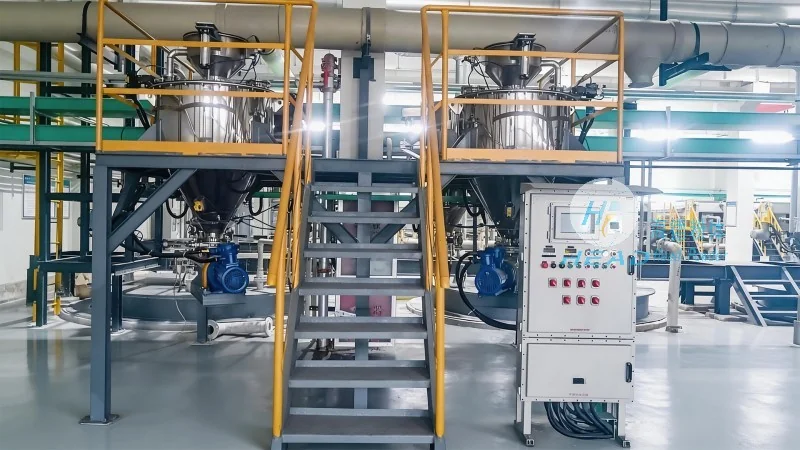
The lithium iron carbonate pneumatic conveying machine typically consists of several critical components that work in concert to ensure smooth material transport. These include a hopper for material storage, a rotary valve or feeder to control the flow rate, a pipeline system for conveying the material, a blower or air compressor to generate the necessary airflow, and a receiver or discharge hopper at the destination. Each component plays a vital role in maintaining the system's efficiency and reliability.
The operation of a lithium iron carbonate pneumatic conveying system begins with the material being fed from the storage hopper into the feeder. The feeder regulates the material flow into the pipeline, ensuring a consistent feed rate. Simultaneously, the blower generates high-pressure air, which is introduced into the pipeline. As the air flows through the pipe, it creates a low-pressure zone that draws the material particles into the airflow. The mixture of air and material then travels through the pipeline to the receiving hopper at the destination. The air is then separated from the material in the receiver, often through a cyclone or other separation device, and is either recirculated or vented. This process allows for the efficient and continuous transport of lithium iron carbonate without the need for mechanical components like belts or buckets, reducing maintenance and operational costs.
The operational process of the lithium iron carbonate pneumatic conveying machine can be broken down into the following sequential steps:
1. **Material Loading**: The raw lithium iron carbonate is loaded into the storage hopper. The hopper is designed to accommodate bulk material and features a lid to prevent contamination and dust emission.
2. **Feeding Control**: The rotary valve or feeder at the bottom of the hopper controls the flow rate of the material into the conveying pipeline. This component ensures that the material is fed at a rate that matches the system's capacity and prevents overloading or underfeeding.
3. **Air Compression**: The blower or air compressor is activated, generating a high-pressure airflow. The pressure is adjusted to match the system's requirements, typically ranging from 0.5 to 1.5 bar, depending on the pipeline length and material characteristics.
4. **Material Conveying**: As the air flows through the pipeline, it entrains the lithium iron carbonate particles, forming a dense phase or dilute phase flow. The system can operate in either dense phase or dilute phase mode, with dense phase conveying being preferred for longer distances or more delicate materials to minimize particle breakage.
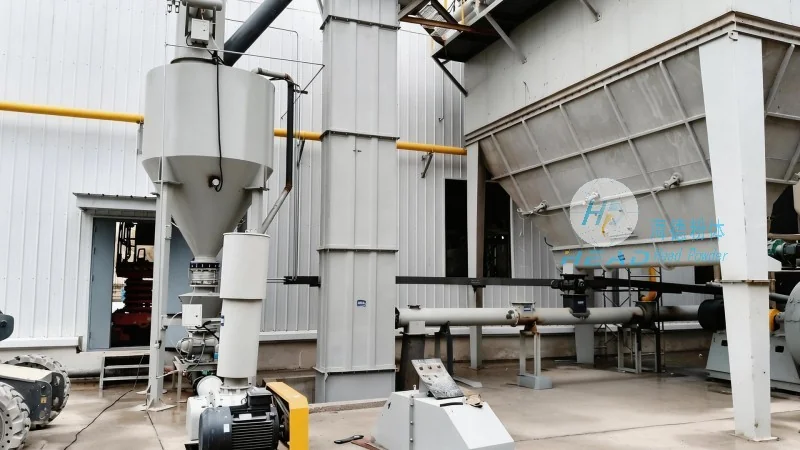
5. **Material Discharge**: At the receiving end, the material is deposited into the discharge hopper. The air, now separated from the material, is either recirculated back to the blower or vented to the atmosphere, depending on the system design and environmental regulations.
6. **System Monitoring and Control**: Modern pneumatic conveying systems are equipped with sensors and control panels that monitor parameters such as pressure, flow rate, and material level. This allows operators to adjust the system in real-time, ensuring optimal performance and preventing issues like blockages or air leaks.
Utilizing a pneumatic conveying system for lithium iron carbonate offers several advantages over traditional mechanical conveying methods. These include:
• **Reduced Maintenance**: Since there are no moving parts in direct contact with the material (except for the feeder and blower), the system experiences lower wear and tear, leading to reduced maintenance costs and longer equipment lifespan.
• **Improved Material Handling**: The system can handle fine powders and delicate materials without causing particle agglomeration or breakage, preserving the material's quality and consistency.
• **Space Efficiency**: Pneumatic conveying systems are compact and can be installed in confined spaces, making them suitable for facilities with limited floor area.
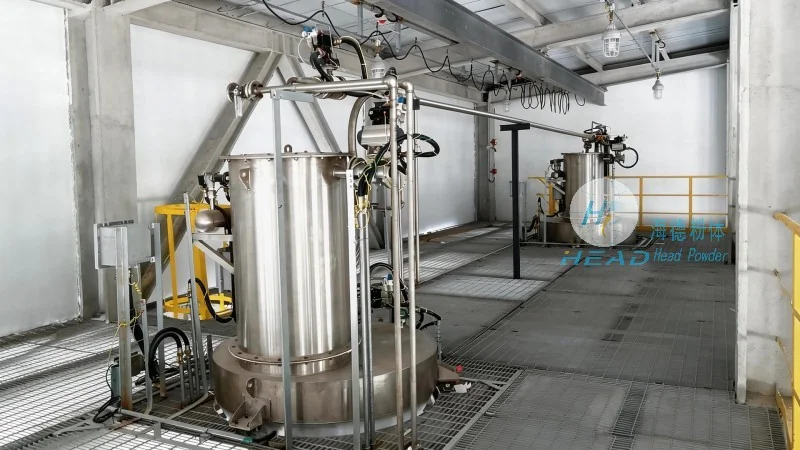
• **Hygienic and Clean Operation**: The enclosed pipeline system prevents dust contamination and ensures a clean working environment, which is crucial for pharmaceutical and food industries that handle lithium iron carbonate.
• **Energy Efficiency**: Modern blowers and compressors are designed to be energy-efficient, reducing operational costs and environmental impact.
Lithium iron carbonate pneumatic conveying machines are widely used in various industries that require the transport of fine powders, including:
• **Battery Manufacturing**: Lithium iron phosphate (LiFePO₄) batteries, which use lithium iron carbonate as a key component, rely on efficient material transport for production lines.
• **Pharmaceuticals**: The handling of lithium-based compounds in pharmaceutical manufacturing requires precise and clean conveying systems to maintain product purity.
• **Chemical Processing**: Chemical plants that produce or process lithium compounds use pneumatic conveying to move raw materials and intermediates between processing stages.
• **Food and Feed Industry**: Some applications involve the transport of lithium-based additives in food or animal feed production.

 Shandong Headpowder Engineering Co., Ltd.
 156-6277-7102(Manager Zhang)
  0531-83386006
  Zhangqiu District, Jinan City, Shandong Province, China
telephone
WeChatconsult
top