With more than 10‑year industry experience, Shandong Headpowder delivers full‑service pneumatic‑conveying systems and blowers, undertaking nationwide turn‑key powder‑handling projects.
Regenerated sand pneumatic conveying machines are essential equipment in modern foundry and casting industries, designed to efficiently transport sand materials with high precision and minimal loss. These machines play a crucial role in the production line by ensuring smooth material flow from storage to processing areas. The operation process and working principle of such machines are critical for optimizing performance and maintaining productivity in industrial settings.
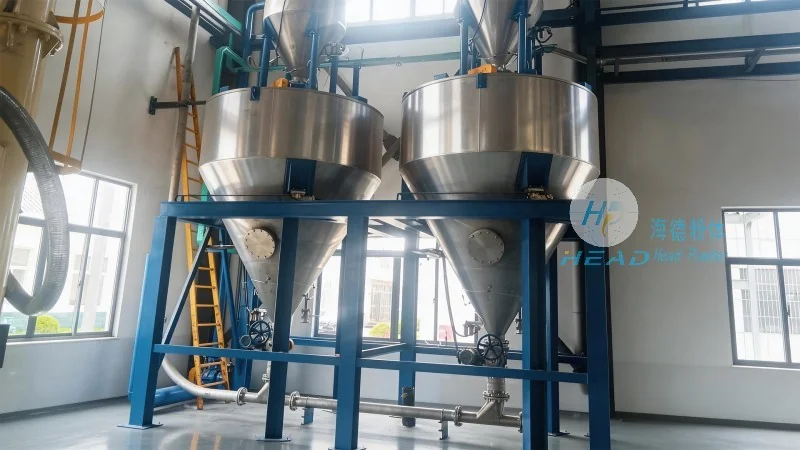
HeadPowder, a leading manufacturer based in Shandong, China, specializes in the design, development, and production of advanced pneumatic conveying systems. With years of experience in the industry, HeadPowder has established itself as a trusted provider of high-quality equipment tailored to meet the specific needs of foundries and casting facilities worldwide. The company's commitment to innovation and quality ensures that its products, including regenerated sand pneumatic conveying machines, deliver reliable performance and long-term value to clients.
The operation process of a regenerated sand pneumatic conveying machine involves several key steps that ensure efficient material handling. First, the sand is loaded into the hopper or storage container. The machine then uses a combination of air pressure and vacuum to draw the sand from the source and transport it to the destination point. The process typically includes the following stages:
Material Loading: The sand is fed into the hopper, which is equipped with a feeding mechanism to control the flow rate. This step ensures that the material is properly introduced into the system without blockages or spills.
Air Supply and Compression: The machine uses a blower or compressor to generate the necessary air pressure. The air is then directed into the conveying line, creating a flow that propels the sand particles through the system.
Conveying Path: The sand is transported through a network of pipes, which may include bends, elbows, and other components to direct the material to the desired location. The design of the conveying path is crucial for minimizing friction and ensuring smooth flow.
Discharge and Collection: At the destination point, the sand is discharged into a collection bin or processing equipment. The machine may include a filter or separator to remove any air or impurities from the sand before it is used in the next stage of production.
Throughout the operation process, the machine continuously monitors air pressure, flow rate, and other parameters to maintain optimal performance. This real-time monitoring helps in identifying any issues such as blockages or pressure drops, allowing for timely adjustments to prevent downtime and ensure consistent material delivery.
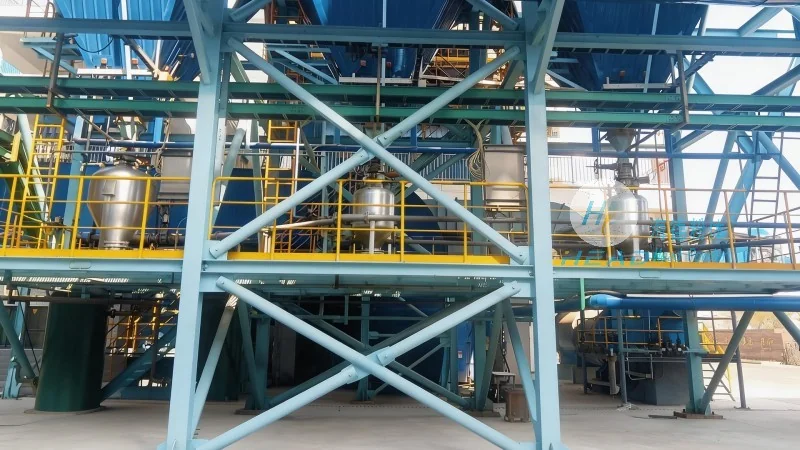
The working principle of a regenerated sand pneumatic conveying machine is based on the principles of fluid dynamics and air movement. The machine operates by creating a pressure differential between the inlet and outlet of the conveying line. This differential is achieved by using a blower or compressor to generate high-pressure air, which then flows through the system, carrying the sand particles along with it. The key components and their functions are as follows:
Blower/Compressor: This component generates the necessary air pressure to move the sand particles. The type of blower (e.g., rotary lobe, centrifugal) and its capacity are selected based on the material characteristics and conveying distance.
Hopper and Feeding System: The hopper stores the sand and feeds it into the conveying line at a controlled rate. The feeding system ensures that the material is introduced smoothly without causing clogging or uneven flow.
Conveying Line: The pipes that form the conveying path are designed to handle the sand particles and the air flow. The diameter and length of the pipes are critical factors that affect the conveying efficiency and pressure drop.
Filter and Separator: These components are used to remove any air or impurities from the sand before it is discharged. The filter helps in maintaining the quality of the sand and preventing contamination in the downstream processes.
The machine's working principle relies on the fact that sand particles are lightweight and can be suspended in the air stream. By maintaining a sufficient air velocity, the machine ensures that the sand particles remain in suspension and are transported efficiently. The pressure differential created by the blower ensures that the sand moves from the source to the destination without the need for mechanical conveying equipment, which can be more expensive and less efficient.
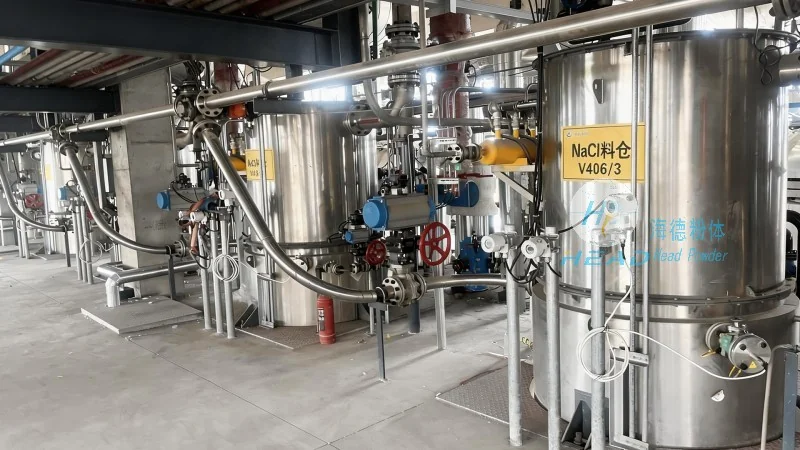
Regenerated sand pneumatic conveying machines from HeadPowder offer several key features and benefits that make them ideal for industrial applications. These include:
High Efficiency: The machines are designed to transport sand with minimal loss and high throughput, ensuring that production lines operate at optimal speeds.
Low Maintenance: The use of air as the conveying medium reduces wear and tear on mechanical components, resulting in lower maintenance costs and longer equipment life.
Versatility: The machines can handle a wide range of sand types and particle sizes, making them suitable for various foundry and casting applications.
Space Efficiency: The pneumatic conveying system requires less floor space compared to traditional mechanical conveying systems, making it ideal for facilities with limited space.
Environmental Friendliness: The machines are designed to minimize dust emissions and air pollution, contributing to a cleaner and safer working environment.
By incorporating these features, HeadPowder's regenerated sand pneumatic conveying machines provide a reliable and efficient solution for sand handling in foundries and casting facilities. The combination of advanced technology and careful design ensures that the machines meet the highest standards of performance and durability, making them a preferred choice for industrial clients worldwide.

 Shandong Headpowder Engineering Co., Ltd.
 156-6277-7102(Manager Zhang)
  0531-83386006
  Zhangqiu District, Jinan City, Shandong Province, China
telephone
WeChatconsult
top