With more than 10‑year industry experience, Shandong Headpowder delivers full‑service pneumatic‑conveying systems and blowers, undertaking nationwide turn‑key powder‑handling projects.
Clay handling and processing represent a critical operational phase in numerous industrial sectors, ranging from ceramics and refractory materials to plastics and construction. Given the unique physical properties of clay—such as high moisture content, stickiness, and tendency to form lumps—traditional manual or mechanical transport methods often fall short in efficiency and hygiene. This necessitates the adoption of advanced systems designed specifically for robust clay transportation. Among the various technologies available, pneumatic conveying has emerged as the gold standard, offering a clean, automated, and space-efficient solution for moving bulk materials. Shandong Headpowder Engineering Co., Ltd. stands at the forefront of this technological evolution, providing specialized solutions that address the specific challenges associated with moving this versatile material.
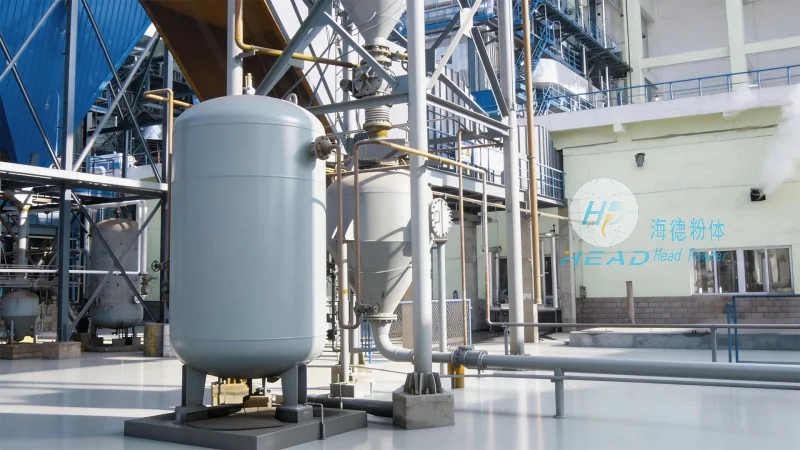
Historically, the movement of clay involved labor-intensive processes such as shoveling, wheelbarrowing, or the use of belt conveyors that often struggled with sticky, wet clay. These methods were not only slow but also posed significant health risks to workers due to dust inhalation and created a messy working environment. As industrial demands increased, the need for a reliable material handling system became undeniable. The shift towards pneumatic conveying technology marked a significant milestone. By utilizing air pressure to move clay through enclosed pipelines, this method eliminates direct human contact with the material, drastically reducing dust pollution and ensuring a cleaner production line.
Clay pneumatic conveying is a sophisticated process that utilizes air pressure to push or pull clay through a network of pipes to its destination. Unlike mechanical conveyors that rely on physical contact and friction, pneumatic systems use the fluidity of air to transport the material. This technology is particularly effective for clay because it can handle various forms, including wet clay, dry powder, and granular aggregates, without the clogging issues often associated with rotary valves or screw feeders. The system is generally categorized into two main types based on the direction of air flow: positive pressure systems, where air pushes the material, and negative pressure systems, where air pulls the material. Each type offers distinct advantages depending on the layout and distance of the transfer.
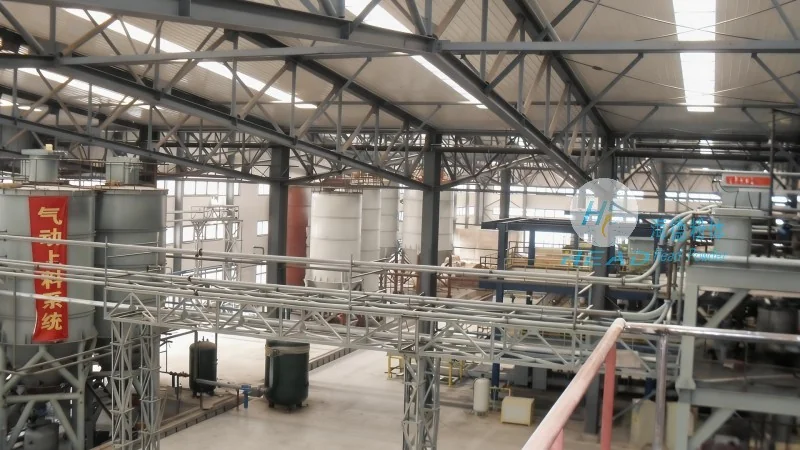
Shandong Headpowder Engineering Co., Ltd. has developed a reputation for excellence in engineering customized clay transportation solutions. Understanding that every facility has unique spatial constraints and production requirements, Headpowder designs systems that are not only efficient but also highly adaptable. Their expertise lies in integrating advanced control systems with high-quality piping and components to ensure continuous operation. Whether the goal is to transfer clay from a storage silo to a mixing vessel or to move it across a large factory floor, Headpowder ensures that the flow is consistent and unobstructed. The company’s commitment to quality ensures that every component, from the vacuum pump to the rotary valve, is selected to withstand the abrasive nature of clay.
The implementation of a pneumatic conveying system offers a multitude of benefits that directly impact the bottom line of a manufacturing business. First and foremost is the improvement in workplace safety. By containing the clay within the pipeline, the risk of explosion caused by combustible dust is minimized, and operators are protected from physical strain. Additionally, the enclosed nature of the system prevents moisture absorption from the air, which is crucial for maintaining the consistency of clay batches. From an operational standpoint, pneumatic conveying allows for the precise dosing of materials, ensuring that the correct ratio of clay is added to the production mix. This level of precision is difficult to achieve with older, manual transfer methods.
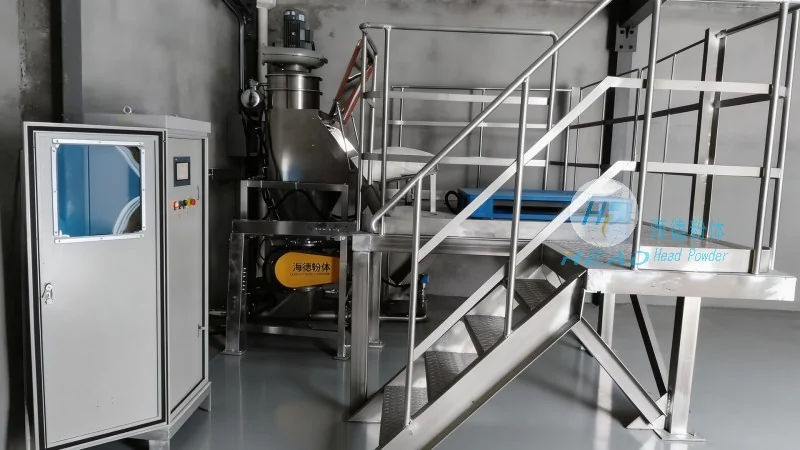
The versatility of Headpowder's systems makes them suitable for a wide array of industrial applications. In the ceramic industry, for instance, precise clay transportation is vital for ensuring the structural integrity of tiles and pottery. In the plastic manufacturing sector, clay is often used as a filler, requiring a gentle yet efficient transfer process to prevent degradation. Shandong Headpowder Engineering Co., Ltd. engineers these systems to integrate seamlessly with existing production lines. The control panels are user-friendly, allowing operators to monitor flow rates and pressure levels with ease. This integration capability minimizes downtime and maximizes productivity, making Headpowder a preferred partner for businesses looking to modernize their material handling infrastructure.
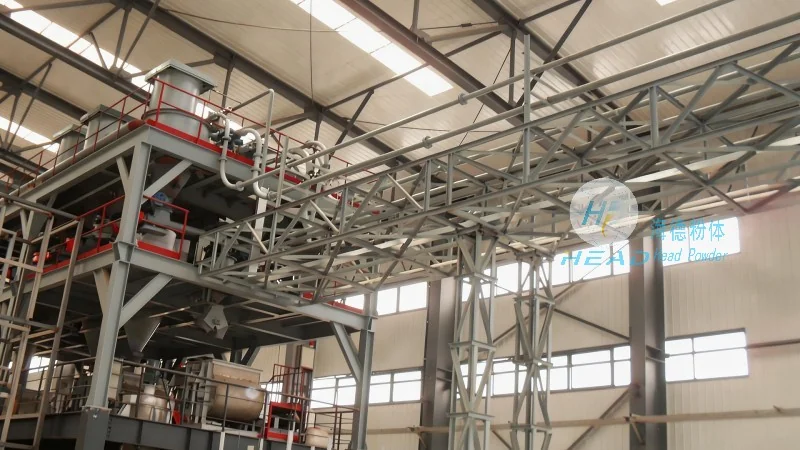
When selecting a provider for bulk material handling equipment, experience and reliability are paramount. Shandong Headpowder Engineering Co., Ltd. combines years of technical expertise with a customer-centric approach. The company does not just sell equipment; they provide comprehensive engineering services, from initial site surveys and system design to installation and after-sales support. Their team of engineers understands the nuances of clay behavior and designs systems that mitigate common issues such as pipeline blockages and wear. By choosing Headpowder, clients gain a partner dedicated to optimizing their material handling processes, ultimately leading to higher efficiency and lower operational costs.
For businesses seeking to upgrade their processing capabilities or install a new clay pneumatic conveying system, Shandong Headpowder Engineering Co., Ltd. offers expert guidance and support. The company is headquartered in Shandong, China, and is equipped to handle projects of varying scales. To discuss specific requirements or to request a detailed quotation, interested parties are encouraged to reach out directly. You can contact Manager Zhang for personalized consultation. Manager Zhang and the Headpowder team are ready to provide the technical insights necessary to design a system that meets your exact needs. Connect via WeChat at 15662777102 to start the conversation about transforming your material handling operations today.

 Shandong Headpowder Engineering Co., Ltd.
 156-6277-7102(Manager Zhang)
  0531-83386006
  Zhangqiu District, Jinan City, Shandong Province, China
telephone
WeChatconsult
top