

Design Considerations for Coal Ash Pneumatic Conveying System Solutions
When designing a coal ash pneumatic conveying system, several key factors must be carefully considered to ensure efficient, reliable, and cost-effective operation. The system's performance and longevity depend heavily on the initial design choices made during the planning phase. This article outlines the essential design considerations for coal ash pneumatic conveying systems, focusing on the technical and practical aspects that engineers and project managers should evaluate.
Understanding the Core Components of a Coal Ash Pneumatic Conveying System
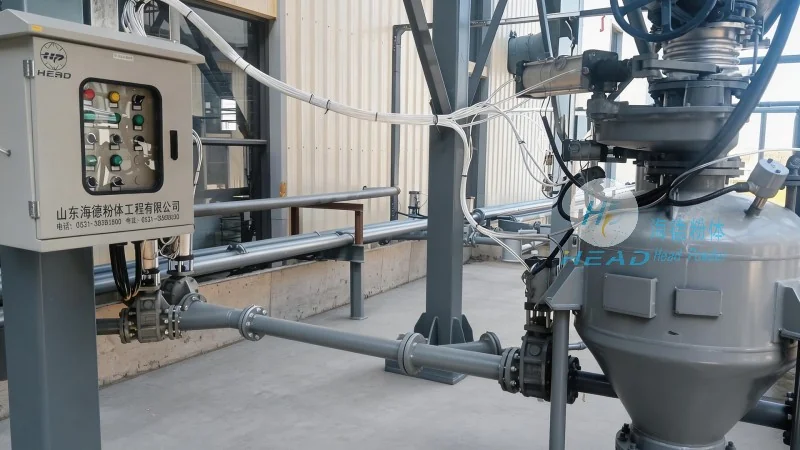
A coal ash pneumatic conveying system typically consists of several critical components, each playing a vital role in the overall operation. The primary components include the ash source, the conveying line, the air supply system, and the discharge equipment. The ash source, often a hopper or silo, stores the coal ash and feeds it into the system. The conveying line, which can be either a positive or negative pressure system, transports the ash through the pipeline using air. The air supply system provides the necessary pressure and volume of air to move the ash, while the discharge equipment collects the ash at the destination point. Each component must be selected and sized appropriately to handle the specific characteristics of the coal ash, such as particle size, moisture content, and bulk density.
Key Design Considerations for Coal Ash Pneumatic Conveying
Several critical design considerations are essential for the successful implementation of a coal ash pneumatic conveying system. These considerations include the selection of the appropriate conveying method (positive or negative pressure), the determination of the optimal air velocity and pressure, the sizing of the conveying line and air supply equipment, and the consideration of the ash's physical properties. The choice between positive and negative pressure systems depends on the distance and elevation changes between the ash source and the discharge point. Positive pressure systems are generally used for short to medium distances and when the discharge point is at a higher elevation than the source. Negative pressure systems are more suitable for longer distances and when the discharge point is at a lower elevation. The air velocity must be high enough to prevent ash deposition but low enough to avoid excessive wear on the pipeline and equipment. The pressure required is determined by the system's length, elevation changes, and the ash's resistance to flow. The conveying line diameter and material must be selected based on the ash's particle size and flow characteristics to ensure smooth and efficient transport. Additionally, the air supply system must be capable of providing the required air volume and pressure, with appropriate filters and controls to maintain system efficiency and prevent contamination.
Material Selection and Equipment Durability
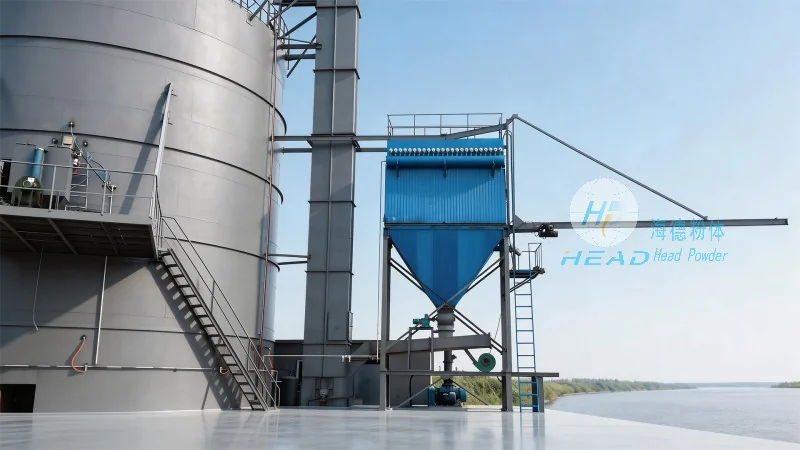
Coal ash is often abrasive and can cause significant wear on the conveying system components. Therefore, selecting durable materials for the pipeline, valves, and other equipment is crucial. The pipeline material, such as stainless steel or high-density polyethylene (HDPE), must be resistant to corrosion and abrasion from the ash particles. Valves and fittings should be designed to handle the ash's flow characteristics and prevent clogging. The air supply system components, including the blower or fan, must be capable of withstanding the high pressures and temperatures associated with the system. Regular maintenance and inspection of the equipment are essential to ensure the system's longevity and performance. The use of wear-resistant coatings or linings on the pipeline and equipment can further extend their service life and reduce maintenance costs.
System Integration and Control
Integrating the coal ash pneumatic conveying system with other plant processes is another important design consideration. The system must be compatible with the existing infrastructure and control systems to ensure seamless operation. The control system should allow for monitoring and adjustment of the air pressure, flow rate, and ash feed rate to maintain optimal performance. Automation features, such as sensors and feedback loops, can help optimize the system's operation and reduce the risk of downtime. Proper integration with the plant's safety and environmental systems is also necessary to comply with regulatory requirements and ensure the safe handling of coal ash.
Environmental and Safety Considerations
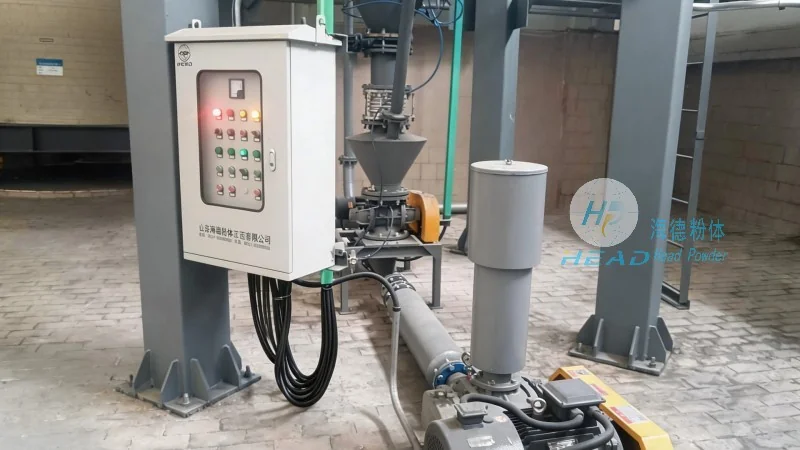
Coal ash is a byproduct of coal combustion and can pose environmental and safety risks if not handled properly. The pneumatic conveying system must be designed to minimize dust emissions and prevent the release of ash particles into the environment. The system should include dust collection and filtration equipment to capture any airborne ash particles and prevent them from entering the atmosphere. The equipment must also be designed to handle the ash's potential hazards, such as high temperatures or chemical reactivity. Safety features, such as pressure relief valves and emergency shut-off systems, should be included to protect operators and the surrounding environment from potential accidents. Compliance with local and national environmental regulations is essential to ensure the system's operation is environmentally responsible.
Cost Considerations and Long-Term Performance
The cost of a coal ash pneumatic conveying system is a significant factor in its overall economic viability. The initial investment in equipment and installation must be balanced against the long-term operating costs and performance. The system's efficiency and reliability directly impact the total cost of ownership. A well-designed system with appropriate components and maintenance can reduce operating costs and extend the system's service life. The choice of materials and equipment should consider the system's expected lifespan and the availability of spare parts. Additionally, the system's ability to handle variations in ash feed rate and quality without significant performance degradation is important for long-term cost-effectiveness.