With more than 10‑year industry experience, Shandong Headpowder delivers full‑service pneumatic‑conveying systems and blowers, undertaking nationwide turn‑key powder‑handling projects.
When it comes to efficiently transporting corn flour in industrial settings, selecting the right conveying method is crucial for maintaining product quality, ensuring operational efficiency, and minimizing downtime. Various technologies are available, each with distinct advantages and applications. This article provides a detailed comparison of common corn flour conveying methods, focusing on their characteristics, benefits, and suitability for different production environments.
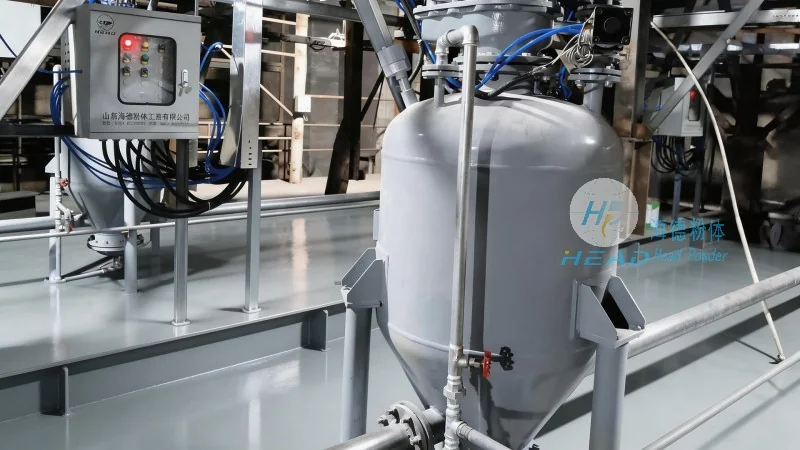
Corn flour, a fine powder derived from corn processing, requires specialized handling due to its granular nature and potential for dust accumulation. Effective conveying systems must address challenges such as material segregation, caking, and the need for gentle handling to preserve nutritional and textural properties. The choice of conveying method depends on factors like production scale, material characteristics, space constraints, and budget considerations. Understanding the strengths and limitations of each method helps businesses optimize their operations and select the most suitable solution for their specific needs.
Shandong HeadPowder Engineering Co., Ltd., a leading provider of industrial conveying equipment, specializes in designing and manufacturing tailored solutions for corn flour handling. With a focus on durability, efficiency, and compliance with industry standards, HeadPowder offers a range of equipment that meets the unique demands of corn flour processing. The company’s expertise in material handling ensures that their systems are optimized for the specific challenges posed by corn flour, including its fine particle size and tendency to create dust. By partnering with HeadPowder, businesses can enhance their production processes and achieve reliable, cost-effective corn flour conveying.
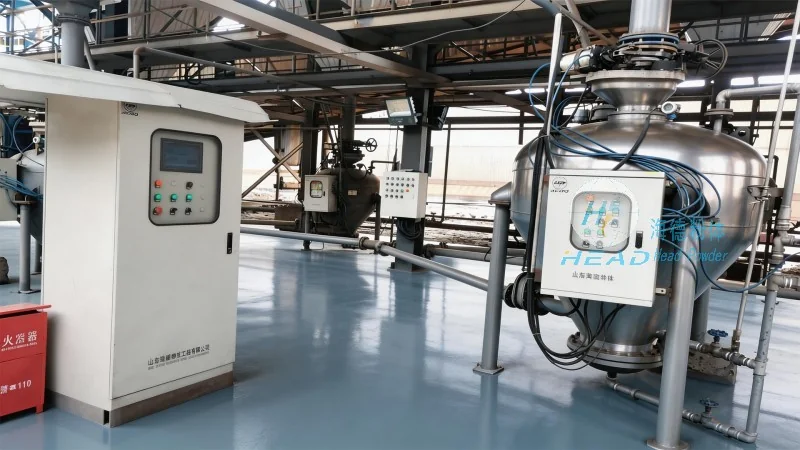
Screw conveyors, also known as auger conveyors, are among the most common and versatile methods for transporting corn flour. These systems consist of a rotating helical screw inside a cylindrical tube, which moves material from the inlet to the outlet through a combination of friction and gravity. For corn flour, screw conveyors are particularly effective due to their ability to handle fine powders without causing excessive segregation or degradation. The design allows for gentle material handling, minimizing the risk of caking or agglomeration. Additionally, screw conveyors are relatively simple in structure, making them easy to install and maintain. They are ideal for horizontal or slight incline applications, with typical capacities ranging from low to moderate volumes. However, it is important to note that screw conveyors may not be suitable for very high volumes or when long vertical lifts are required, as they can experience increased friction and wear under such conditions.
Pneumatic conveying systems use air or other gases to transport corn flour through a pipeline network. This method is highly effective for handling fine powders and can be categorized into two main types: pressure and vacuum systems. Pressure systems involve blowing air into a sealed pipe to push the material forward, while vacuum systems create a negative pressure to draw the material into the pipe. Pneumatic conveying offers several advantages for corn flour, including the ability to transport materials over long distances and through multiple points of discharge. It also provides excellent containment, reducing dust emissions and improving workplace safety. Additionally, these systems can be integrated with other processing equipment, such as mixers or dryers, to create a seamless production line. However, pneumatic conveying requires careful consideration of air pressure and flow rates to ensure efficient material movement. High air consumption and potential for material degradation due to friction and impact are factors that need to be managed. The system's complexity and maintenance requirements also add to its overall cost.
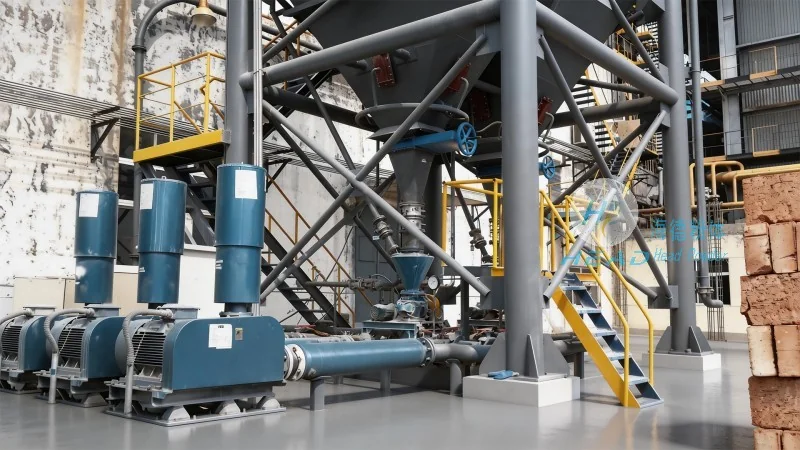
Bucket elevators are vertical or inclined conveyors that use a series of buckets attached to a belt or chain to lift and transport corn flour. This method is particularly suitable for vertical or steep incline applications, where other systems may struggle to handle the material efficiently. The buckets carry the corn flour from the lower to the upper level, ensuring a continuous and reliable flow. Bucket elevators are known for their high capacity and ability to handle a wide range of materials, including fine powders like corn flour. They are also relatively simple to operate and maintain, with minimal moving parts exposed to the material. However, bucket elevators can be more expensive to install and may require more space compared to horizontal systems. The risk of material spillage or clogging at the discharge point is another consideration, as proper design and maintenance are essential to prevent operational issues.
Belt conveyors use a continuous belt to transport corn flour horizontally or at a slight incline. The material is placed on the belt at the inlet and moves to the outlet as the belt rotates. This method is widely used in various industries due to its simplicity, reliability, and ability to handle large volumes of material. For corn flour, belt conveyors are effective for transporting bulk quantities over moderate distances. They are particularly suitable for applications where the material needs to be moved to a different location or integrated into a larger production line. Belt conveyors are also relatively easy to clean and maintain, making them ideal for environments where hygiene is a priority. However, they may not be as efficient for fine powders as other systems, as the material can be prone to segregation or spillage if the belt speed or angle is not optimized. Additionally, the risk of material buildup on the belt or at the discharge point requires regular monitoring and maintenance.
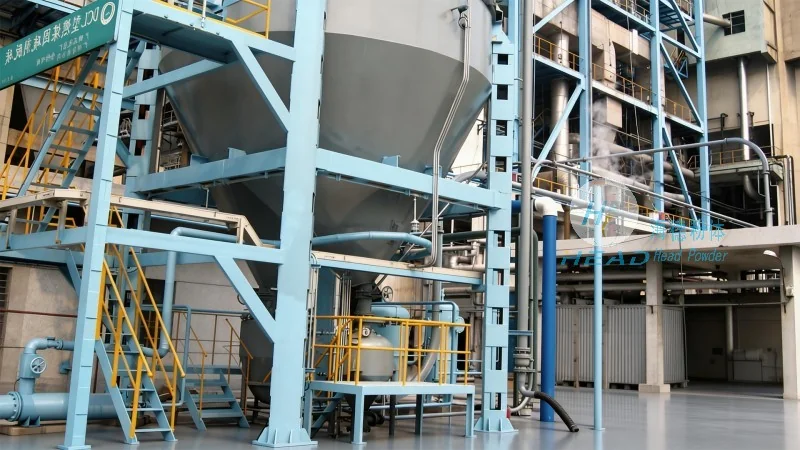
Vibrating conveyors utilize vibration to move corn flour along a trough or conveyor bed. The system consists of a frame that vibrates at a specific frequency, causing the material to move forward through a combination of vibration and gravity. This method is particularly effective for handling sticky or cohesive materials, as the vibration helps prevent caking and ensures smooth material flow. For corn flour, vibrating conveyors are suitable for applications where gentle handling is required and where the material may have a tendency to agglomerate. They are also relatively simple in design and can be easily integrated into existing production lines. However, vibrating conveyors may not be as efficient for very fine powders, as the vibration can cause excessive dust generation or material degradation. The system's performance is highly dependent on the frequency and amplitude of the vibration, which must be carefully adjusted to match the material's characteristics.
Choosing the appropriate corn flour conveying method is a critical decision that impacts the efficiency, quality, and safety of industrial operations. Each method has its unique advantages and limitations, and the best choice depends on the specific requirements of the production process. Screw conveyors offer simplicity and gentle handling, while pneumatic systems excel in long-distance and dust containment. Bucket elevators are ideal for vertical transport, and belt conveyors provide reliability for bulk handling. Vibrating conveyors are effective for sticky materials. By understanding the characteristics of each system and considering factors such as material properties, production scale, and operational constraints, businesses can select the most suitable conveying solution. Shandong HeadPowder Engineering Co., Ltd. provides expert guidance and tailored solutions to help businesses optimize their corn flour conveying processes, ensuring efficient and reliable material handling.

 Shandong Headpowder Engineering Co., Ltd.
 156-6277-7102(Manager Zhang)
  0531-83386006
  Zhangqiu District, Jinan City, Shandong Province, China
telephone
WeChatconsult
top