With more than 10‑year industry experience, Shandong Headpowder delivers full‑service pneumatic‑conveying systems and blowers, undertaking nationwide turn‑key powder‑handling projects.
Micro-silica powder, a critical material in various industrial applications, often requires efficient and reliable transportation methods to ensure quality and process consistency. Pneumatic conveying emerges as a sophisticated solution for handling such fine powders, offering advantages over traditional methods like belt conveyors or bucket elevators. This article delves into the fundamental principles of pneumatic conveying for micro-silica powder materials and explores the distinct characteristics of its application scenarios.
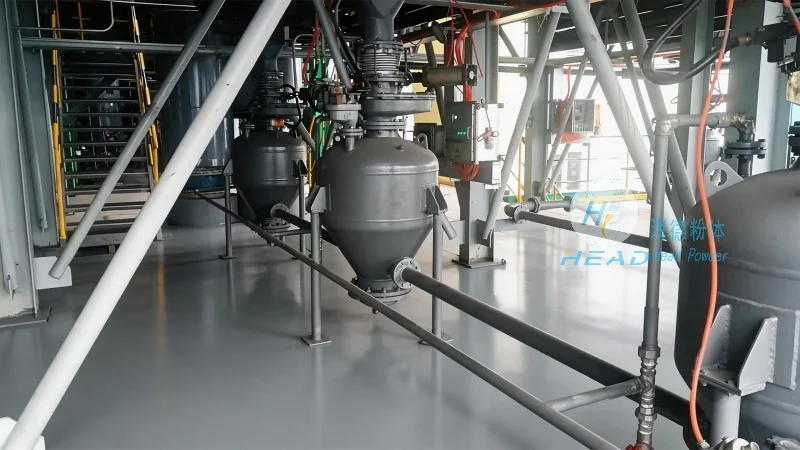
Pneumatic conveying utilizes air or gas to transport solid particles through a pipeline system. The process involves generating a pressure differential, typically by using a blower or compressor, to move the powder from the source to the destination. For micro-silica powder, which is characterized by its fine particle size and high dust generation potential, the design of the conveying system must address challenges such as particle segregation, caking, and air leakage. The system typically consists of a hopper, a feeder, a conveying line, and a receiver. The feeder controls the flow rate of the powder, while the conveying line ensures the material is transported efficiently. The receiver collects the material at the end of the pipeline. The choice of conveying type—either pressure or vacuum—depends on factors like the distance, material properties, and system layout. Pressure systems use positive pressure to push the material, while vacuum systems use negative pressure to pull it. For micro-silica powder, pressure systems are often preferred due to their ability to handle higher material loads and reduce the risk of dust exposure.
Compared to mechanical conveying methods, pneumatic conveying offers several benefits that are particularly relevant for micro-silica powder applications. First, it minimizes product contamination and degradation. The enclosed pipeline system prevents exposure to external contaminants and reduces the risk of oxidation or moisture absorption, which can affect the powder's quality. Second, it enhances process safety by containing dust and preventing the release of fine particles into the environment. This is crucial for micro-silica powder, which can be hazardous if inhaled. Third, pneumatic conveying allows for flexible system design, enabling the integration of multiple processing units and facilitating changes in production volume. The system can be easily scaled up or down to meet varying production demands, providing operational flexibility. Fourth, it reduces labor costs and maintenance requirements. Unlike mechanical conveyors that require regular lubrication and part replacement, pneumatic systems have fewer moving parts and lower maintenance needs. This leads to lower operational costs and increased system reliability.
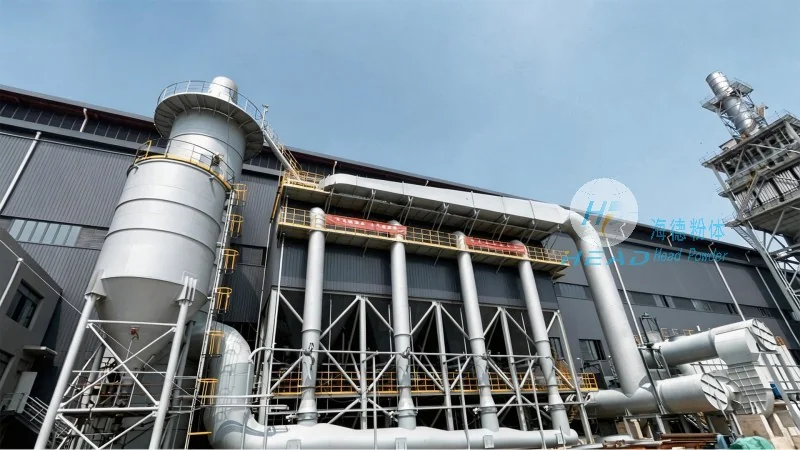
The effectiveness of pneumatic conveying for micro-silica powder is evident in diverse industrial settings. One primary application is in the production of high-performance concrete and refractory materials, where micro-silica powder is used as a supplementary cementitious material. In these processes, the powder must be transported from storage silos to mixing plants or processing units without loss or degradation. Pneumatic conveying ensures a consistent flow rate and maintains the powder's fineness, which is critical for achieving the desired concrete strength and durability. Another significant application is in the electronics and semiconductor industries, where micro-silica powder is used as a filler or coating material. Here, the powder's purity and particle size distribution are paramount, and pneumatic conveying helps preserve these characteristics during transportation. The system's ability to handle fine powders without segregation or agglomeration makes it ideal for these high-precision applications. Additionally, in the chemical and pharmaceutical sectors, micro-silica powder is used as a filler or excipient. Pneumatic conveying ensures that the powder is delivered to processing equipment in a controlled manner, maintaining the integrity of the final product. The system's enclosed design also helps comply with regulatory requirements for dust control and environmental protection.
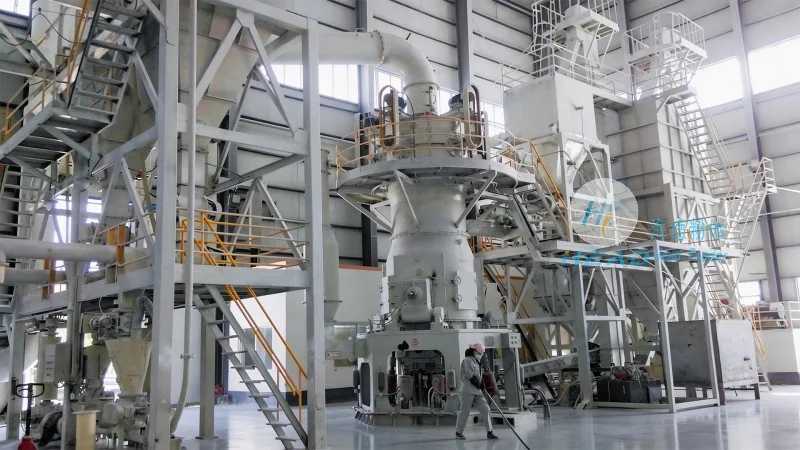
Implementing an effective pneumatic conveying system for micro-silica powder requires careful consideration of several design factors. The first is the selection of the appropriate conveying type based on the distance and material properties. For short distances, a pressure system with a low-pressure blower may suffice, while longer distances may require a high-pressure system or a combination of both. The second factor is the design of the hopper and feeder. The hopper must be designed to prevent caking and ensure a uniform flow of powder. The feeder, such as a rotary valve or a star feeder, must control the flow rate accurately to maintain system stability. The third factor is the pipeline design, including the diameter, length, and bends. The pipeline diameter should be large enough to minimize pressure drop and prevent particle deposition. The number and angle of bends should be minimized to reduce friction losses and maintain the powder's flow. The fourth factor is the receiver design, which must be equipped with a dust collection system to prevent re-entrainment of particles. The receiver should also be designed to handle the material's bulk density and flow characteristics. Finally, the control system plays a crucial role in optimizing the conveying process. Advanced control systems can monitor pressure, flow rate, and temperature, adjusting the blower speed or feeder settings to maintain optimal performance. These considerations ensure that the pneumatic conveying system operates efficiently and reliably, delivering high-quality micro-silica powder to the intended application.
Pneumatic conveying stands as a highly effective and reliable method for transporting micro-silica powder in various industrial applications. Its ability to handle fine powders, maintain product quality, and enhance process safety makes it a preferred choice over traditional mechanical methods. The system's flexibility and scalability allow it to adapt to changing production demands, ensuring long-term operational efficiency. As industries continue to rely on micro-silica powder for advanced materials and applications, the importance of efficient material handling cannot be overstated. Companies like Shandong HeadPowder Engineering Co., Ltd., based in China, specialize in designing and manufacturing pneumatic conveying systems tailored to the specific needs of micro-silica powder applications. With their expertise in material handling and system design, they provide solutions that optimize production processes, reduce costs, and ensure compliance with industry standards. The principles and application scenarios of pneumatic conveying for micro-silica powder highlight its significance in modern industrial operations, underscoring the need for advanced material handling technologies to support the evolving demands of the industry.

 Shandong Headpowder Engineering Co., Ltd.
 156-6277-7102(Manager Zhang)
  0531-83386006
  Zhangqiu District, Jinan City, Shandong Province, China
telephone
WeChatconsult
top