With more than 10‑year industry experience, Shandong Headpowder delivers full‑service pneumatic‑conveying systems and blowers, undertaking nationwide turn‑key powder‑handling projects.
Wood dust, as a common byproduct in woodworking and related industries, requires efficient and reliable handling methods to ensure smooth production processes and environmental compliance. Pneumatic conveying technology offers an effective solution for transporting wood dust materials, combining the principles of air flow and mechanical systems to achieve safe and efficient material transfer. This article explores the fundamental principles of pneumatic conveying for wood dust and highlights key application scenarios where this technology excels.
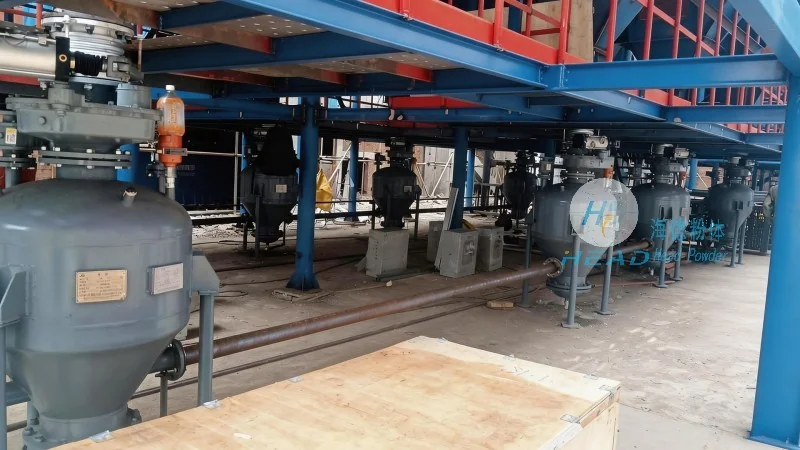
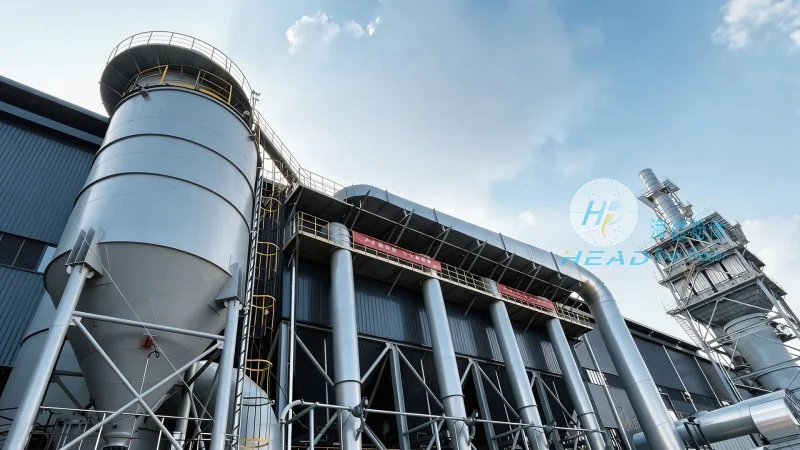
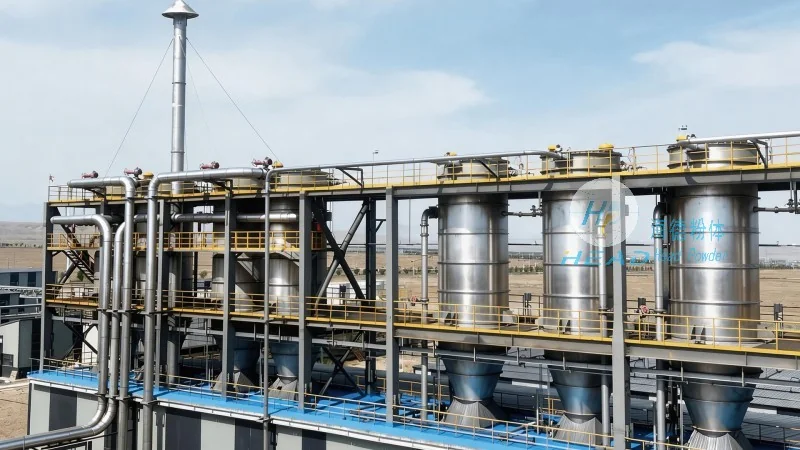
Pneumatic conveying operates on the principle of using air to transport solid materials through a pipeline system. In the case of wood dust, the process involves creating a flow of air that entrains the fine particles, carrying them from the source to the destination. There are two primary types of pneumatic conveying systems: dilute-phase and dense-phase. Dilute-phase systems use higher air velocities to transport materials in a dispersed state, suitable for short distances and low to medium material loads. Dense-phase systems, on the other hand, employ lower air velocities and higher material concentrations, ideal for longer distances and handling more abrasive or sensitive materials. The choice between these systems depends on factors such as the dust characteristics, distance, and required material handling capacity. For wood dust, which is typically light and fine, dilute-phase systems are often preferred due to their efficiency and lower energy consumption. The conveying process begins with the wood dust being fed into the system, either through a hopper or a feeder, and then mixed with air in a venturi or a rotary airlock. The air-dust mixture is then propelled through the pipeline, where the air pressure and velocity maintain the material in suspension. At the receiving end, the air is separated from the dust, often using a cyclone or a filter, and the clean air is discharged, while the wood dust is collected for further processing or disposal. The efficiency of the system depends on several factors, including the air velocity, the diameter of the pipeline, the length of the conveying line, and the properties of the wood dust, such as particle size, moisture content, and density. Proper design and maintenance of the system are crucial to ensure optimal performance and minimize downtime. HeadPowder, a leading provider of pneumatic conveying solutions, specializes in customizing systems to meet the specific needs of wood dust applications. Their expertise in material handling and air flow dynamics allows them to design efficient and reliable systems that enhance productivity and reduce operational costs.
Pneumatic conveying for wood dust finds wide application in various industrial settings, where the need to transport fine materials efficiently and safely is critical. One of the primary applications is in woodworking factories, where wood dust is generated during sawing, sanding, and planing operations. Traditional methods of handling wood dust, such as manual collection or vacuum cleaners, are often inefficient and can lead to dust accumulation and health hazards. Pneumatic conveying systems provide a centralized solution, collecting dust from multiple points in the factory and transporting it to a central collection point for disposal or recycling. This not only improves air quality but also reduces the risk of fire and explosion, as wood dust is a combustible material. Another significant application is in the wood pellet production industry. Wood pellets are made by compressing wood dust into small, uniform pellets, which are then used as a renewable energy source. Pneumatic conveying is used to transport the wood dust from the grinding and drying stages to the pelletizing machine, ensuring a consistent and continuous feed. The system must be capable of handling high volumes of fine material and maintaining the quality of the dust, as any variation in moisture or particle size can affect the pellet quality. In the furniture manufacturing sector, pneumatic conveying is used to transport wood dust from the production line to the waste management system. This helps in maintaining a clean and organized workspace, which is essential for both productivity and safety. The system can be integrated with other production equipment, such as dust collectors and filters, to create a comprehensive material handling solution. Additionally, in the wood processing and packaging industries, pneumatic conveying is used to transport wood dust for quality control and quality assurance purposes. The ability to accurately measure and transport the dust allows for better control over the final product quality. HeadPowder's systems are designed to meet the specific requirements of these applications, ensuring that the wood dust is handled efficiently and safely. Their systems are equipped with advanced features, such as adjustable air flow control, to optimize the conveying process and minimize energy consumption. The company also provides maintenance and support services to ensure the long-term reliability of the systems.

 Shandong Headpowder Engineering Co., Ltd.
 156-6277-7102(Manager Zhang)
  0531-83386006
  Zhangqiu District, Jinan City, Shandong Province, China
telephone
WeChatconsult
top