With more than 10‑year industry experience, Shandong Headpowder delivers full‑service pneumatic‑conveying systems and blowers, undertaking nationwide turn‑key powder‑handling projects.
Zinc calcine, a crucial intermediate product in the zinc smelting process, requires efficient and reliable transportation methods to ensure smooth industrial operations. Pneumatic conveying, a technology that utilizes air to transport bulk materials, has become a preferred solution for handling zinc calcine due to its advantages in safety, cleanliness, and flexibility. This article provides an overview of the structure and operational principles of zinc calcine pneumatic conveying systems, highlighting key components and the technical aspects that contribute to its effectiveness in industrial applications.
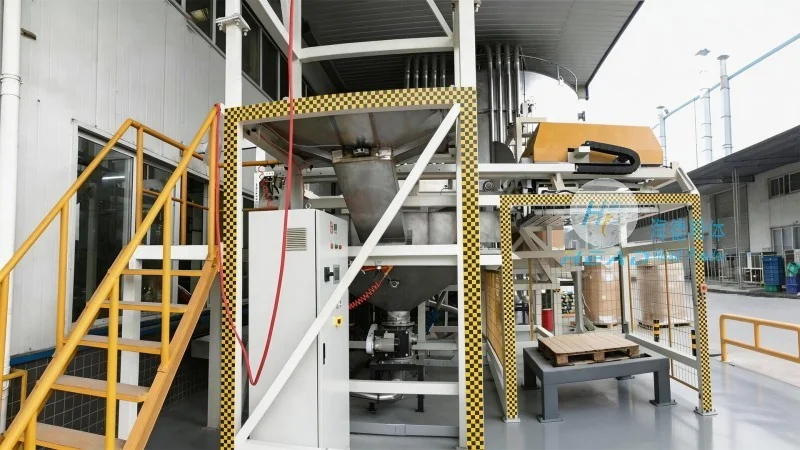
The pneumatic conveying system for zinc calcine typically consists of several essential components that work in tandem to achieve efficient material transport. The primary components include the material feed hopper, which stores and feeds the zinc calcine into the system; the air compressor or blower, which generates the necessary air pressure to move the material; the conveying pipeline, which transports the material and air mixture; and the separation and collection equipment, such as cyclones or filters, which separate the material from the air for discharge. Each component plays a critical role in maintaining the system's performance and ensuring the safe handling of zinc calcine.
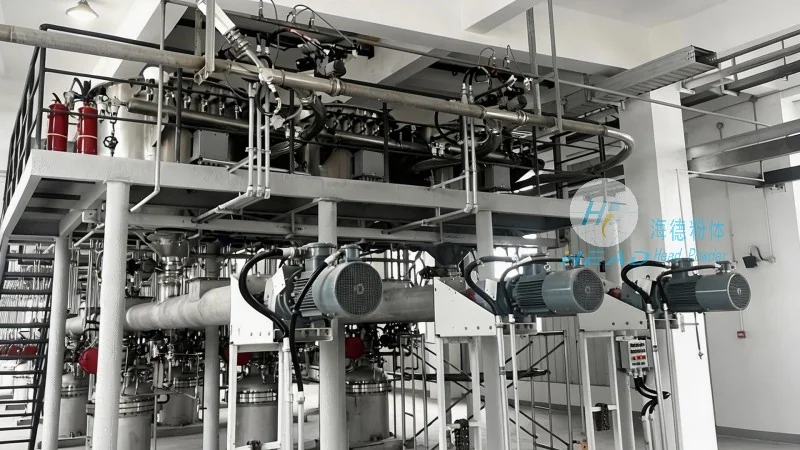
The operational principle of a pneumatic conveying system for zinc calcine is based on the creation of a gas-solid flow within the conveying pipeline. The air compressor supplies compressed air, which is introduced into the material feed hopper. As the air flows through the hopper and into the pipeline, it lifts and transports the zinc calcine particles. The velocity of the air and the particle size distribution are critical factors that determine the system's conveying capacity and efficiency. Proper design of the system ensures that the air velocity is sufficient to overcome the gravitational forces acting on the particles, allowing for continuous and stable transport. The separation equipment at the end of the pipeline then separates the zinc calcine from the air, allowing the material to be collected in a designated container while the air is either recirculated or discharged.
Compared to traditional mechanical conveying methods, pneumatic conveying offers several advantages when handling zinc calcine. These include enhanced safety, as the system operates in a closed environment, minimizing dust exposure and the risk of material spillage. Additionally, pneumatic conveying provides better control over material flow, allowing for precise regulation of the conveying rate. The system also offers flexibility in terms of layout, as the conveying pipeline can be arranged in various configurations to suit the plant's layout and operational needs. Furthermore, the closed system helps maintain the quality of the zinc calcine by preventing contamination from external sources and reducing the risk of material degradation during transport.
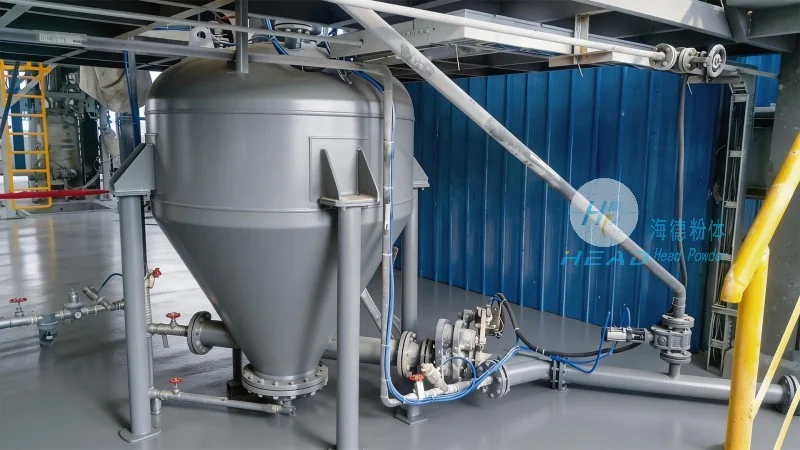
Shandong HeadPowder Engineering Co., Ltd., commonly known as headpowder, is a leading provider of engineering solutions for bulk material handling, including pneumatic conveying systems. With a focus on innovation and quality, the company specializes in designing and manufacturing customized pneumatic conveying systems tailored to the specific needs of industrial clients. Headpowder's expertise in material handling technology ensures that their systems are efficient, reliable, and compliant with industry standards. The company's commitment to customer satisfaction and technical excellence has established it as a trusted partner in the zinc and other metal processing industries. Headpowder's operations are based in Shandong, China, where the company leverages its local resources and expertise to serve clients both domestically and internationally.

 Shandong Headpowder Engineering Co., Ltd.
 156-6277-7102(Manager Zhang)
  0531-83386006
  Zhangqiu District, Jinan City, Shandong Province, China
telephone
WeChatconsult
top