With more than 10‑year industry experience, Shandong Headpowder delivers full‑service pneumatic‑conveying systems and blowers, undertaking nationwide turn‑key powder‑handling projects.
Regenerated sand powder pneumatic conveying systems represent a sophisticated technology designed to handle the transportation of fine powders, particularly in industrial applications where efficiency and reliability are paramount. This system leverages pneumatic principles to move materials through a network of pipes using air pressure or vacuum, offering a solution that minimizes contamination and ensures consistent material flow. The core of such systems lies in their ability to process materials like regenerated sand, which is increasingly used in manufacturing processes for its sustainability and cost-effectiveness.
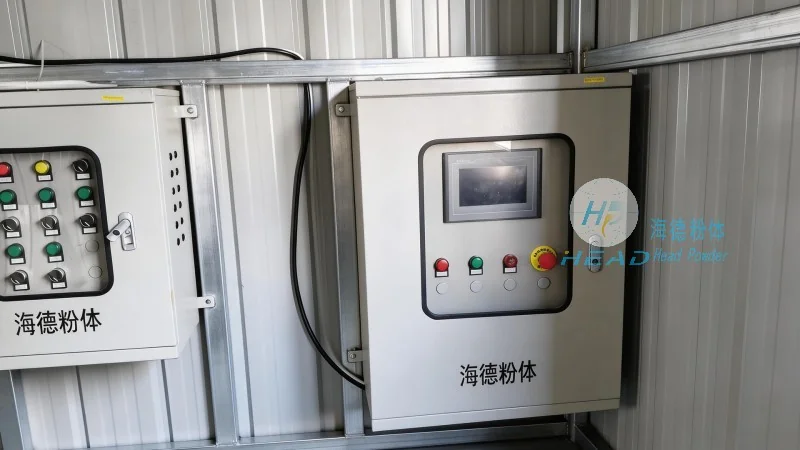
The fundamental principle behind pneumatic conveying is the use of air as the medium to transport solid particles. In a typical system, the material is fed into a hopper or feeder, where it is then introduced into a pipeline. Air is then introduced at a controlled pressure or vacuum, creating a flow that carries the powder through the system. The system can operate in either positive pressure (where air is forced through the pipe) or negative pressure (where air is drawn out, creating a vacuum). The choice of pressure type depends on the material properties, pipeline length, and the desired flow rate. For regenerated sand, which is often fine and abrasive, positive pressure systems are commonly preferred as they provide better control and reduce the risk of material degradation.
Regenerated sand powder pneumatic conveying systems consist of several critical components that work in tandem to ensure efficient operation. These include the hopper or feeder, which holds the material and regulates its flow into the system; the air supply unit, which provides the necessary pressure or vacuum; the pipeline network, which transports the material; and the discharge unit, which releases the material at the destination. Additionally, components like cyclones, filters, and silos are often integrated to manage dust, separate air from the material, and store the conveyed powder. Each component plays a vital role in maintaining the system's performance and ensuring the quality of the transported material.
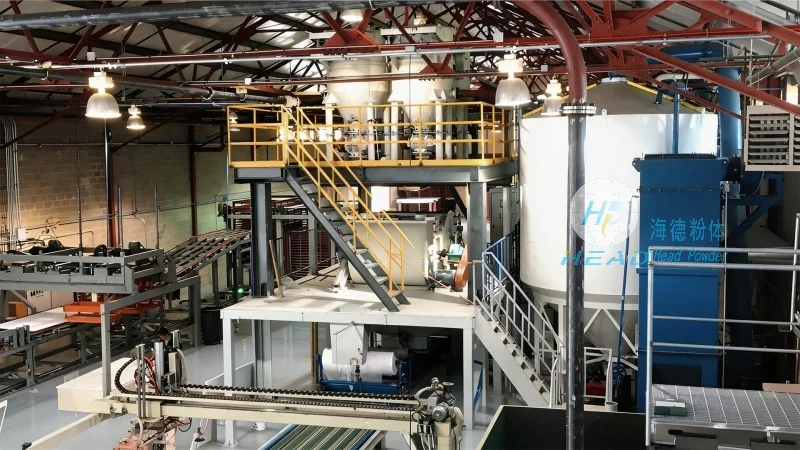
The working scene characteristics of regenerated sand powder pneumatic conveying systems are tailored to meet the demands of various industrial environments. These systems are commonly employed in foundries, where regenerated sand is used in sand casting processes. The ability to transport fine powders over long distances without the need for mechanical conveyors makes this technology ideal for large-scale manufacturing facilities. Additionally, the system's ability to handle abrasive materials like regenerated sand reduces wear and tear on components, extending the system's lifespan and reducing maintenance costs. The flexibility of pneumatic conveying also allows for easy integration into existing production lines, enabling manufacturers to upgrade their material handling processes without significant disruption.
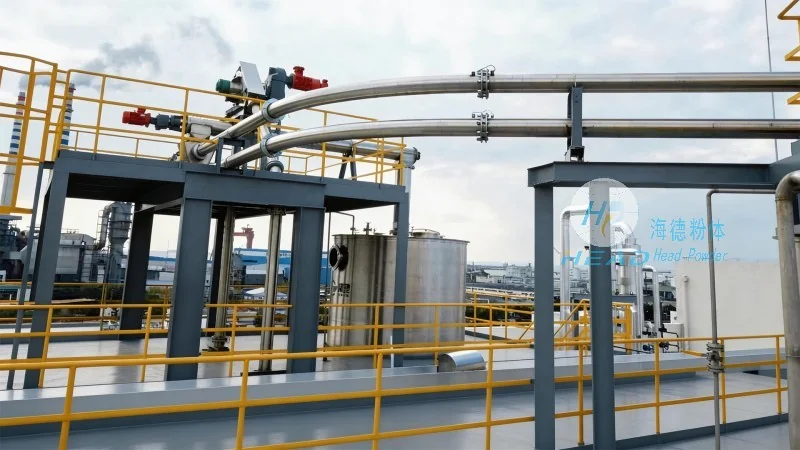
Implementing a regenerated sand powder pneumatic conveying system offers numerous advantages for industrial operations. One of the primary benefits is the reduction in material handling time and labor costs, as the system automates the transportation process. The enclosed nature of the system minimizes dust emissions, improving workplace safety and compliance with environmental regulations. Furthermore, the system's ability to handle fine powders with high accuracy ensures consistent quality in the final product, which is crucial for applications where material consistency is critical. The system's scalability also allows manufacturers to expand their operations by adding additional pipelines or increasing the air pressure without major modifications.
Regenerated sand powder pneumatic conveying systems represent a reliable and efficient solution for handling fine powders in industrial settings. By leveraging pneumatic technology, these systems offer a clean, low-maintenance alternative to traditional mechanical conveyors. As the demand for sustainable materials like regenerated sand grows, the importance of efficient material handling systems will only increase. Companies like Shandong HeadPowder Engineering Co., Ltd., based in China, specialize in designing and manufacturing such systems, providing tailored solutions that meet the specific needs of their clients. With continuous advancements in technology, these systems are likely to become even more efficient and versatile, further enhancing their role in modern industrial operations.

 Shandong Headpowder Engineering Co., Ltd.
 156-6277-7102(Manager Zhang)
  0531-83386006
  Zhangqiu District, Jinan City, Shandong Province, China
telephone
WeChatconsult
top