With more than 10‑year industry experience, Shandong Headpowder delivers full‑service pneumatic‑conveying systems and blowers, undertaking nationwide turn‑key powder‑handling projects.
Refractory material conveying systems are critical components in industrial production, particularly in environments where high-temperature materials are handled. These systems are designed to efficiently transport refractory materials from storage to processing or application points, ensuring safety, efficiency, and consistency in operations. The performance of such systems directly impacts production quality and operational costs, making it essential to understand their operation process and working principles.
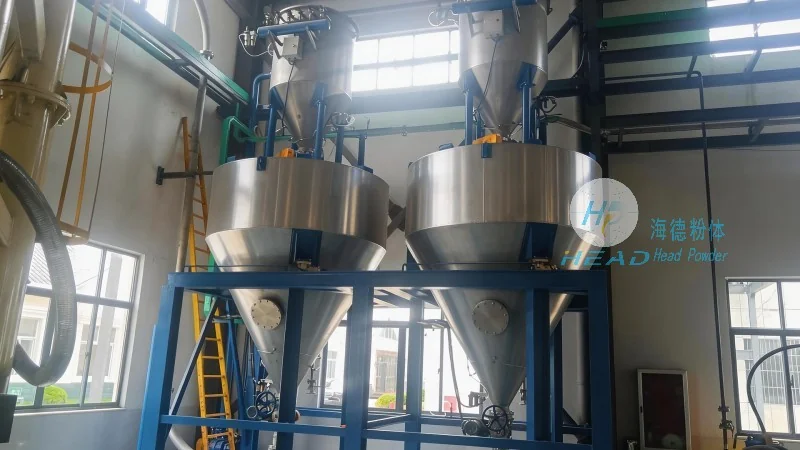
Typical refractory material conveying systems consist of several key components that work in tandem to achieve smooth material transport. These components include storage hoppers, feeding mechanisms, conveyor belts or chains, control systems, and discharge units. Each component plays a vital role in the overall functionality of the system. For instance, storage hoppers are used to hold raw refractory materials, while feeding mechanisms ensure a steady and controlled flow of materials into the conveyor system. The conveyor itself, which may be a belt conveyor, screw conveyor, or bucket elevator, transports the materials through the system. Control systems monitor and regulate the speed and direction of material flow, while discharge units deliver the materials to the next stage of processing.
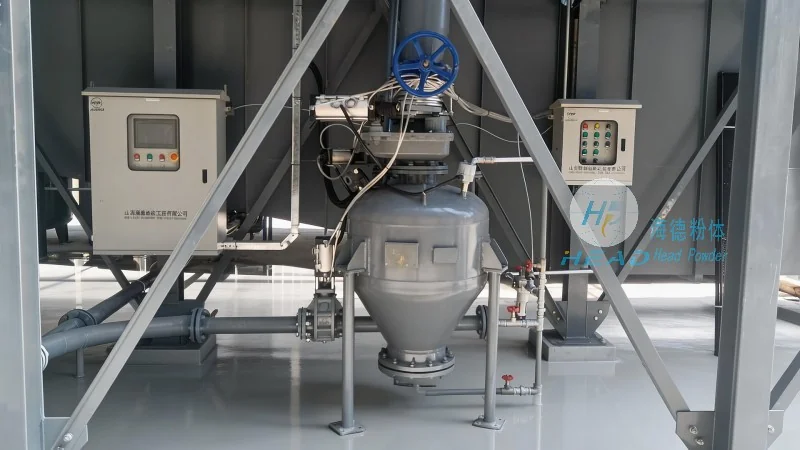
The operation process of a refractory material conveying system involves several sequential steps. First, raw refractory materials are loaded into the storage hopper. The feeding mechanism then activates, drawing materials from the hopper and feeding them onto the conveyor belt or chain. The conveyor system then transports the materials through the system, moving them from the storage area to the processing or application point. At the discharge end, the materials are released and directed to the next stage of production. This process is typically automated, with control systems ensuring that the flow of materials is consistent and efficient. The entire operation is designed to minimize downtime and maximize throughput, which is crucial for maintaining production schedules and meeting customer demands.
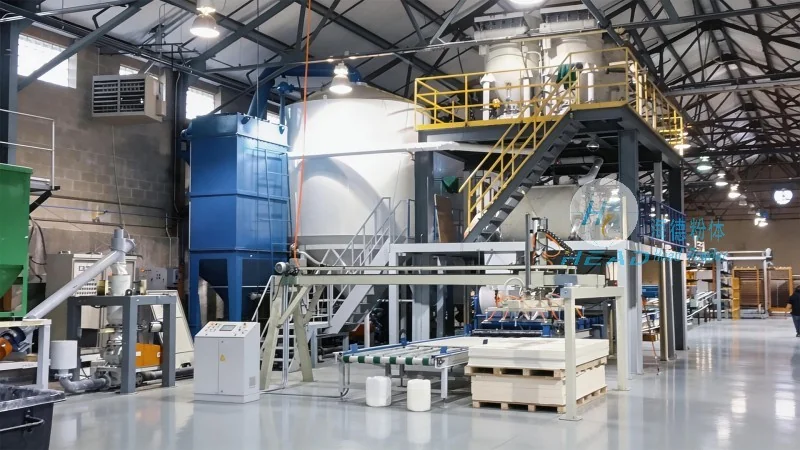
The working principle of refractory material conveying systems is based on mechanical energy to move materials from one location to another. The primary mechanism involves the use of conveyor belts or chains that are driven by motors or pulleys. As the conveyor moves, it transports the refractory materials along its path. In some systems, such as screw conveyors, the material is moved by the rotation of a screw, which pushes the materials forward. Control systems play a crucial role in regulating the speed and direction of the conveyor, ensuring that the materials are transported at the optimal rate. Additionally, safety features are integrated into the system to prevent accidents, such as overloading or blockages. The entire system is designed to handle various types of refractory materials, including powders, granules, and bulk materials, with minimal wear and tear on the equipment.
Efficient refractory material conveying systems offer several advantages that contribute to improved industrial operations. First, they enhance production efficiency by ensuring a continuous and steady flow of materials, reducing downtime and increasing throughput. This leads to higher productivity and lower operational costs. Second, these systems improve safety by minimizing manual handling of heavy or hazardous materials, reducing the risk of accidents and injuries. Third, the consistent flow of materials ensures that the next stage of processing receives materials in the right quantity and quality, maintaining product consistency. Finally, modern conveying systems are designed to be energy-efficient, reducing power consumption and lowering operating costs. These advantages make refractory material conveying systems essential for any industrial facility that handles refractory materials.
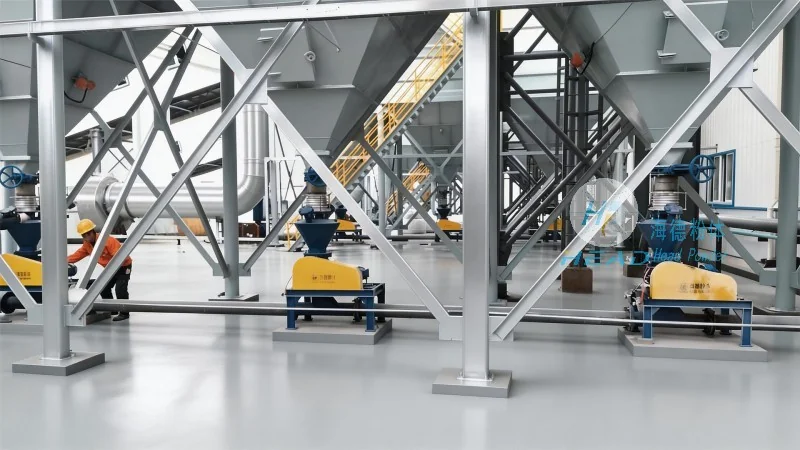
Shandong HeadPowder Engineering Co., Ltd., commonly known as headpowder, is a leading manufacturer and supplier of refractory material conveying systems. The company is based in Shandong, China, and has established itself as a trusted partner in the industrial sector, providing high-quality, reliable, and efficient conveying solutions. With years of experience in the industry, headpowder has developed a range of conveying systems tailored to meet the specific needs of various industries, including steel, cement, and ceramics. The company's commitment to quality and innovation has enabled it to deliver products that meet international standards and customer expectations. Headpowder's team of experts works closely with clients to understand their requirements and provide customized solutions that enhance their operational efficiency and productivity.

 Shandong Headpowder Engineering Co., Ltd.
 156-6277-7102(Manager Zhang)
  0531-83386006
  Zhangqiu District, Jinan City, Shandong Province, China
telephone
WeChatconsult
top