With more than 10‑year industry experience, Shandong Headpowder delivers full‑service pneumatic‑conveying systems and blowers, undertaking nationwide turn‑key powder‑handling projects.
Efficient and reliable material handling is a critical aspect of modern industrial operations, especially when dealing with bulk materials like potassium sulfate. The pneumatic conveying system for potassium sulfate powder offers a sophisticated solution that addresses the challenges associated with transporting such powders over long distances or within complex production environments. This article explores the fundamental principles behind this technology and highlights the key characteristics of its operational scenarios, providing insights into how such systems enhance productivity and operational safety.

Potassium sulfate is a widely used chemical compound in agriculture and industrial applications, known for its high solubility and nutritional value. As a bulk powder, its handling requires specialized equipment to ensure minimal loss, contamination, and operational efficiency. Pneumatic conveying systems have emerged as a preferred method for transporting potassium sulfate due to their ability to handle fine powders with precision, offering advantages over traditional mechanical conveyors in terms of flexibility, cleanliness, and reduced maintenance.
HeadPowder, an esteemed company based in Shandong, China, specializes in the design, manufacturing, and implementation of advanced material handling systems. With a strong commitment to innovation and customer satisfaction, HeadPowder has established itself as a trusted partner for industries seeking efficient and reliable solutions for bulk material transport. The company’s expertise lies in tailoring pneumatic conveying systems to meet the specific needs of clients, ensuring optimal performance and durability in demanding operational environments.
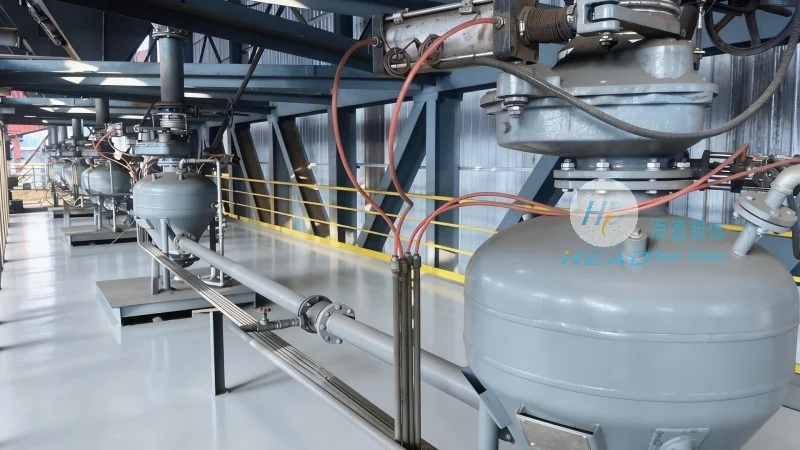
Pneumatic conveying systems operate on the principle of using air or gas to transport particulate materials through a pipeline. For potassium sulfate powder, two primary modes are commonly employed: positive pressure and negative pressure (or vacuum) systems. In positive pressure systems, air is forced into the material to create a flow, while negative pressure systems use suction to draw the powder into the pipeline. The choice between these modes depends on factors such as the distance to be covered, the material's properties (e.g., dustiness, moisture content), and the required flow rate. The system typically consists of a hopper, a conveyor line, a control valve, and a dust collector, all working in tandem to ensure smooth and continuous material transport.
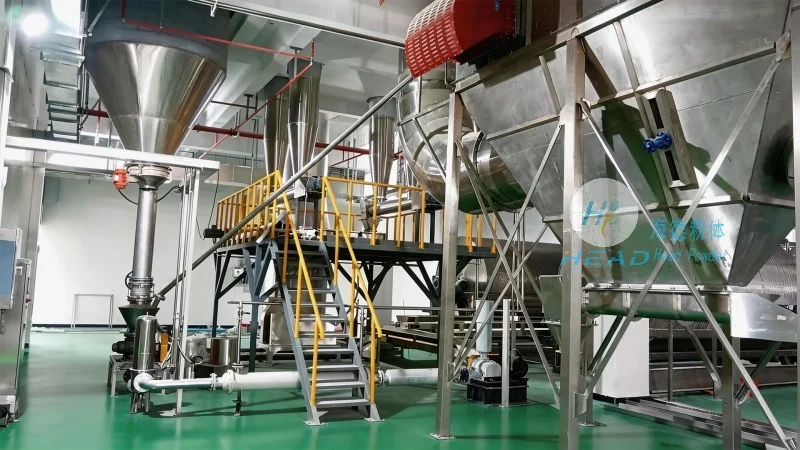
The operational characteristics of a potassium sulfate powder pneumatic conveying system vary significantly based on the specific application and environment. These characteristics include:
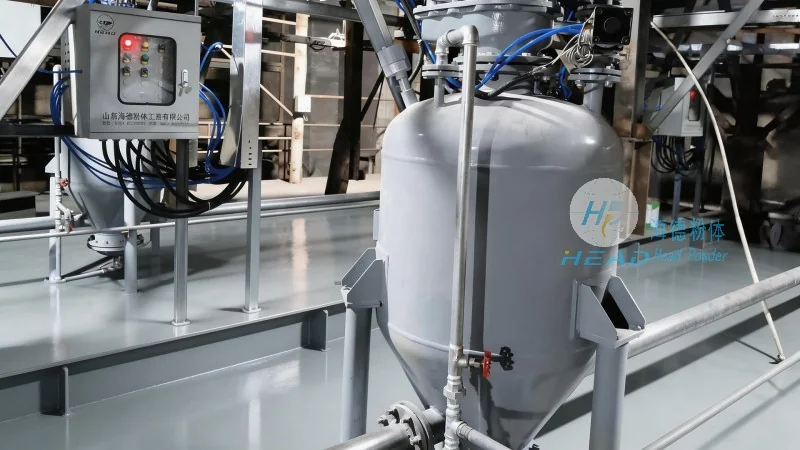
The adoption of a potassium sulfate powder pneumatic conveying system offers several advantages that contribute to improved operational performance and cost efficiency. These benefits include:
Pneumatic conveying systems for potassium sulfate powder represent a sophisticated and efficient solution for bulk material handling in various industrial applications. By understanding the fundamental principles of this technology and leveraging the operational characteristics tailored to specific scenarios, industries can enhance productivity, maintain material quality, and ensure operational safety. HeadPowder, with its expertise in engineering and system implementation, continues to provide reliable solutions that meet the evolving needs of clients in the chemical and agricultural sectors.

 Shandong Headpowder Engineering Co., Ltd.
 156-6277-7102(Manager Zhang)
  0531-83386006
  Zhangqiu District, Jinan City, Shandong Province, China
telephone
WeChatconsult
top