With more than 10‑year industry experience, Shandong Headpowder delivers full‑service pneumatic‑conveying systems and blowers, undertaking nationwide turn‑key powder‑handling projects.
Understanding the operational dynamics and working principles of vinyl ester resin material handling systems is crucial for industries that rely on high-performance, durable materials for various applications. This article delves into the key aspects of how these systems function, emphasizing the technical and practical elements that ensure efficient and reliable resin transport. By exploring the components, processes, and operational nuances, readers gain insights into the sophisticated mechanisms behind vinyl ester resin handling, which is essential for maintaining productivity and quality in manufacturing environments.
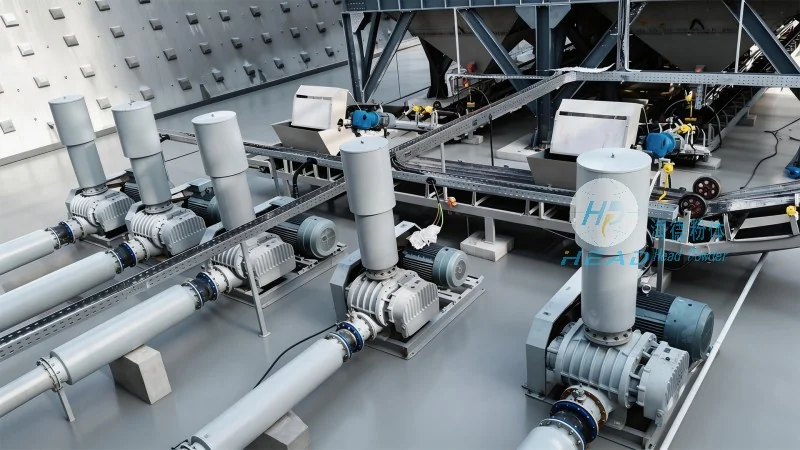
Vinyl ester resins are widely used in industrial applications due to their excellent chemical resistance, mechanical strength, and durability. Material handling systems designed for these resins must be robust and capable of withstanding the unique properties of the material. The systems typically involve pumps, pipelines, valves, and storage tanks, all working in concert to transport the resin from storage to processing equipment. The efficiency of these systems directly impacts production throughput and product quality, making it imperative to understand their operational mechanics. This information is provided by Shandong HeadPowder Engineering Co., Ltd., a leading manufacturer specializing in resin handling solutions.
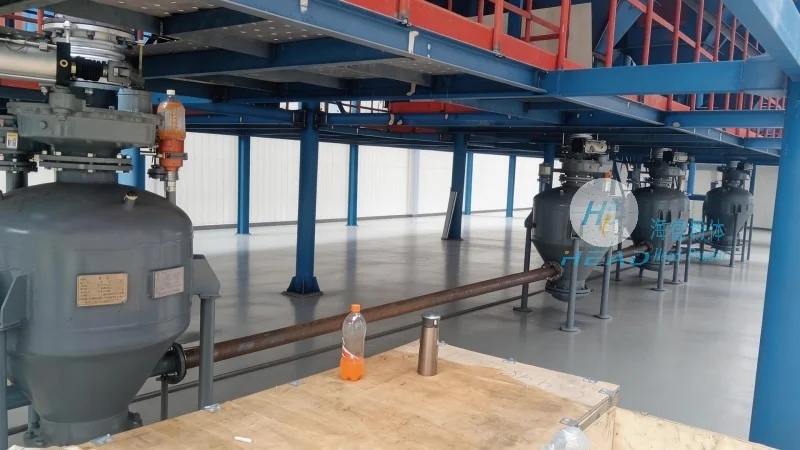
The core components of a vinyl ester resin material handling system include storage tanks, transfer pumps, filtration units, and distribution pipelines. Storage tanks are designed to hold the resin under controlled conditions, often with temperature regulation to maintain viscosity and prevent degradation. Transfer pumps, such as centrifugal or positive displacement types, are selected based on the resin's viscosity and flow requirements. Filtration units ensure that the resin is free from contaminants, which is critical for preventing equipment clogs and ensuring consistent material quality. Distribution pipelines, made from materials resistant to the resin's chemical properties, transport the resin to processing units like reactors or mixers.
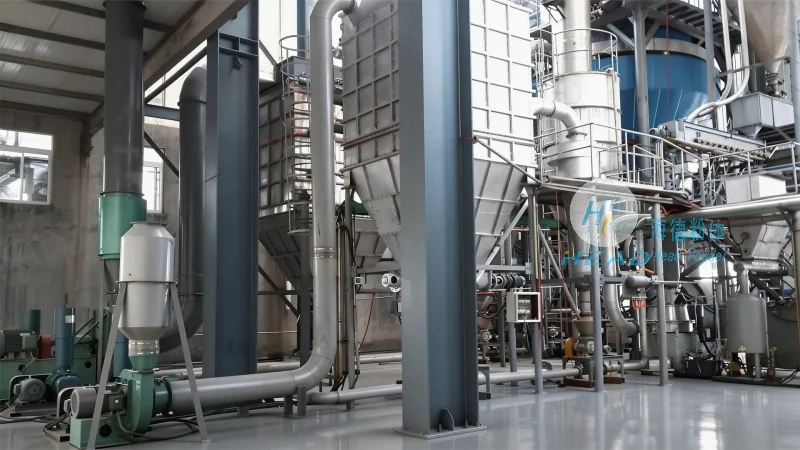
The operational process of vinyl ester resin material handling begins with the resin being stored in the designated tanks. The system is then activated, typically by a control panel that monitors temperature, pressure, and flow rates. The pump starts, drawing the resin from the storage tank and moving it through the filtration unit. The filtered resin is then pumped through the distribution pipelines to the processing equipment. The flow rate is carefully controlled to match the requirements of the downstream processes, ensuring that the resin is delivered at the optimal rate. The system may include automated controls that adjust parameters based on real-time feedback, such as pressure sensors or flow meters, to maintain consistent performance.
The working principle of vinyl ester resin material handling systems is based on fluid dynamics and mechanical engineering principles. The resin, being a viscous liquid, requires sufficient pressure to move through the pipelines. The pumps generate the necessary pressure, while the pipelines and valves regulate the flow. Filtration units remove particulate matter, preventing blockages and ensuring smooth operation. Temperature control is also a critical aspect, as vinyl ester resins can thicken or thin with temperature changes, affecting their flow characteristics. The system's control mechanisms, often integrated with sensors and automation, ensure that all parameters are within the optimal range, minimizing downtime and maximizing efficiency.
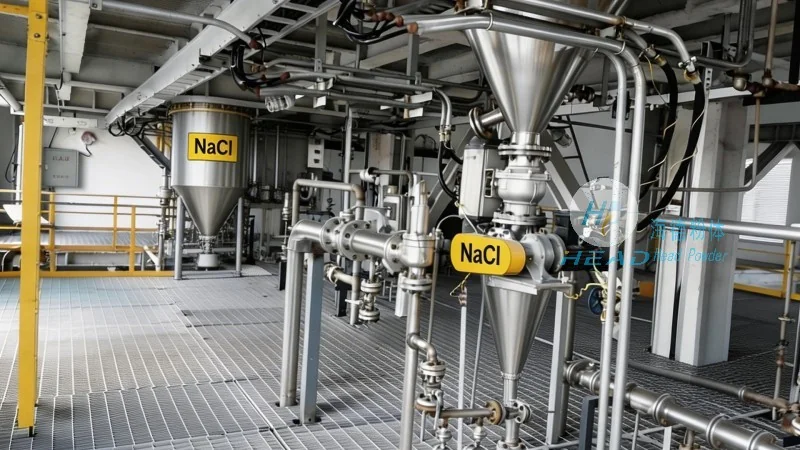
Vinyl ester resin material handling systems are used in a variety of industries, including marine, chemical, and aerospace. The benefits of these systems include improved material quality, reduced downtime, and enhanced safety. The robust design of the systems ensures that the resin is handled without degradation, maintaining its properties for the intended applications. The automation and control features minimize human error, leading to consistent and reliable performance. Additionally, the systems are designed to be scalable, allowing them to accommodate increasing production demands without significant modifications.

 Shandong Headpowder Engineering Co., Ltd.
 156-6277-7102(Manager Zhang)
  0531-83386006
  Zhangqiu District, Jinan City, Shandong Province, China
telephone
WeChatconsult
top