With more than 10‑year industry experience, Shandong Headpowder delivers full‑service pneumatic‑conveying systems and blowers, undertaking nationwide turn‑key powder‑handling projects.
For agricultural operations, efficient and reliable fertilizer granule material conveying is crucial to ensure optimal nutrient distribution and productivity. This article provides an in-depth look at the operation process and working principle of fertilizer granule material conveying systems, highlighting the key components and mechanisms involved in the process. The information is presented by Shandong HeadPowder Engineering Co., Ltd., a leading provider of engineering solutions for material handling in the fertilizer industry, based in Shandong, China.
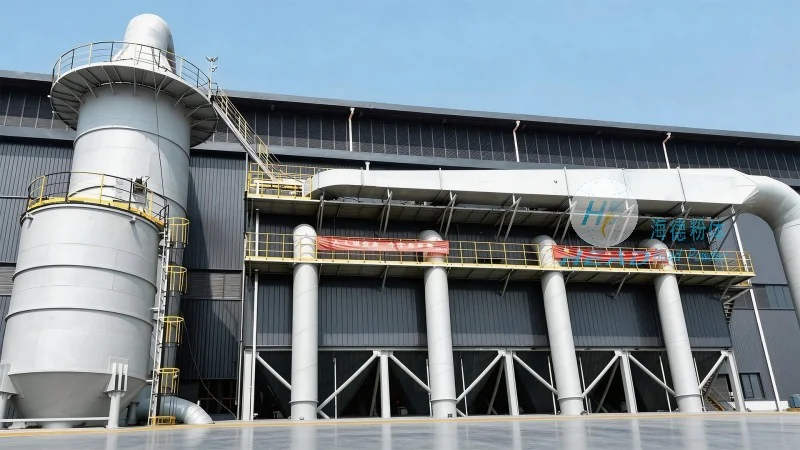
Shandong HeadPowder Engineering Co., Ltd. specializes in the design, manufacturing, and installation of advanced material handling equipment tailored for the fertilizer sector. With a strong focus on innovation and customer satisfaction, the company has established itself as a trusted partner for businesses seeking efficient solutions for granule material conveying. HeadPowder Engineering's expertise lies in understanding the unique challenges of fertilizer production and providing tailored systems that enhance operational efficiency and safety.
Fertilizer granule material conveying involves the movement of granular fertilizer from storage silos or production lines to processing units, packaging areas, or storage facilities. The process is critical as it ensures that the granules are transported without breakage, segregation, or contamination, which could affect their quality and effectiveness. Various methods are employed for conveying, including pneumatic systems, mechanical conveyors, and bucket elevators, each with its own advantages and applications.
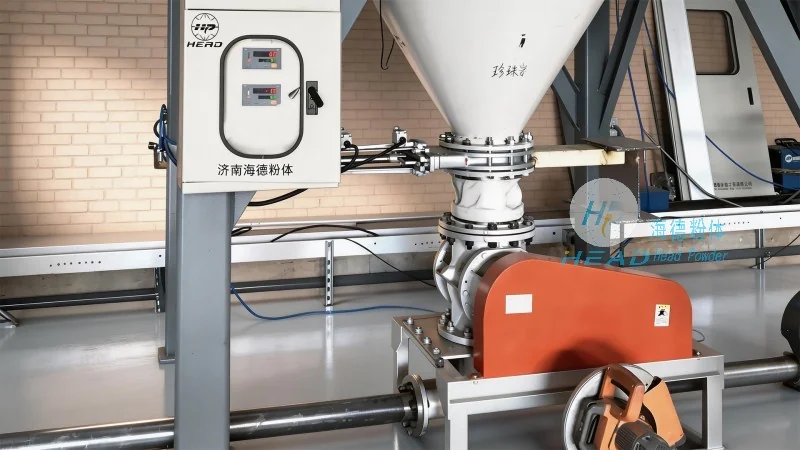
The operation of fertilizer granule material conveying systems relies on several key components that work in harmony to achieve efficient material transport. These components include feeders, conveyors, control systems, and safety mechanisms. Feeders are responsible for regulating the flow of granules from the source, ensuring a consistent and controlled feed rate. Conveyors, such as screw conveyors, belt conveyors, or pneumatic pipelines, then transport the granules through the system. Control systems monitor and adjust the operation parameters to maintain optimal performance, while safety mechanisms prevent accidents and protect personnel.
The working principle of fertilizer granule material conveying systems is based on the application of mechanical force or air pressure to move the granules from one location to another. In mechanical conveyors, for example, a rotating screw or belt pulls the granules along a path, while in pneumatic systems, compressed air pushes the granules through a pipeline. The design of the system is tailored to the specific characteristics of the fertilizer granules, such as size, density, and moisture content, to ensure efficient and safe transport. Proper maintenance and regular inspections are essential to keep the system running smoothly and to prevent issues like blockages or wear and tear.
The operational process of fertilizer granule material conveying typically involves several steps. First, the granules are discharged from the storage silo into a feeder, which regulates the flow rate. The feeder then feeds the granules into the conveyor system, which transports them to the next stage of processing or packaging. At each stage, the system may include screening or sorting mechanisms to remove impurities or oversized particles. The control system continuously monitors the flow rate, pressure, and other parameters to ensure that the process runs smoothly and efficiently. Any deviations are automatically adjusted to maintain optimal performance.
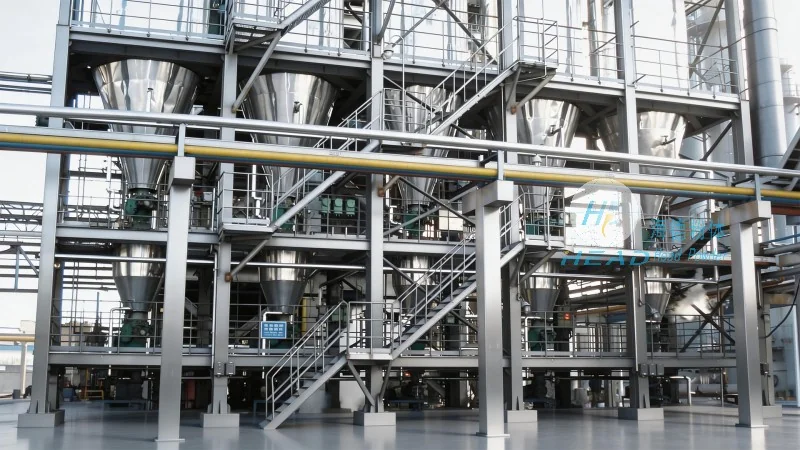
Efficient fertilizer granule material conveying offers several benefits for agricultural operations. It enhances productivity by reducing downtime and improving the speed of material transport. It also ensures that the fertilizer granules are handled with care, minimizing breakage and maintaining their quality. Additionally, the use of advanced conveying systems can reduce energy consumption and operating costs, making the process more sustainable and cost-effective. By investing in reliable conveying systems, fertilizer manufacturers can improve their overall operational efficiency and meet the growing demand for high-quality fertilizers.
Fertilizer granule material conveying is a critical process in the fertilizer industry, and understanding its operation process and working principle is essential for optimizing production and ensuring product quality. Shandong HeadPowder Engineering Co., Ltd. provides comprehensive solutions for fertilizer granule material conveying, combining advanced technology with expert engineering to meet the unique needs of the industry. With their commitment to quality and customer satisfaction, HeadPowder Engineering is a reliable partner for businesses seeking to enhance their material handling capabilities and improve overall operational efficiency.

 Shandong Headpowder Engineering Co., Ltd.
 156-6277-7102(Manager Zhang)
  0531-83386006
  Zhangqiu District, Jinan City, Shandong Province, China
telephone
WeChatconsult
top