With more than 10‑year industry experience, Shandong Headpowder delivers full‑service pneumatic‑conveying systems and blowers, undertaking nationwide turn‑key powder‑handling projects.
Ammonium bicarbonate is a widely used chemical compound in various industrial applications, particularly in the production of fertilizers and food additives. The efficient and reliable transport of this material is crucial for maintaining production efficiency and ensuring product quality. This article provides an in-depth exploration of the operation process and working principle of ammonium bicarbonate material conveying systems, highlighting the key components, operational steps, and technical considerations involved.
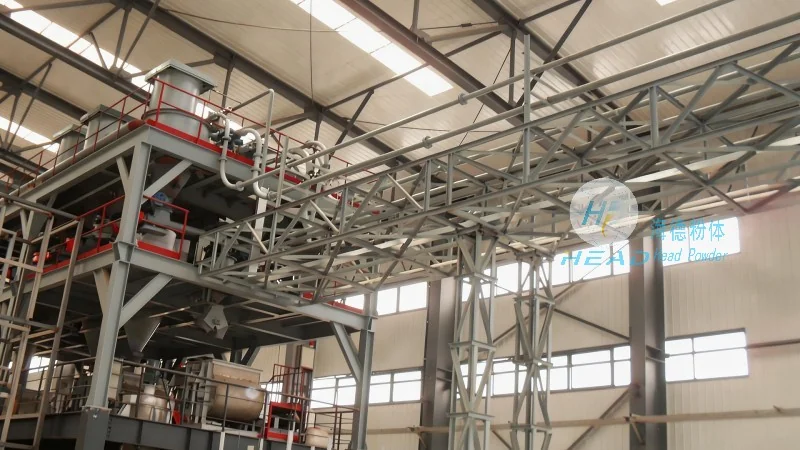
Shandong HeadPowder Engineering Co., Ltd., commonly known as HeadPowder, is a leading manufacturer and supplier of specialized engineering solutions for material handling and processing. With a strong commitment to innovation and quality, the company has established itself as a trusted partner in the chemical and industrial sectors. HeadPowder’s expertise lies in designing and implementing advanced conveying systems tailored to the unique requirements of various industries, including the fertilizer and food processing industries where ammonium bicarbonate is commonly utilized.
Ammonium bicarbonate (NH₄HCO₃) is a white crystalline powder with a slightly alkaline taste. It is highly soluble in water and is often used as a nitrogen source in fertilizers. The material's physical properties, such as its hygroscopic nature and tendency to cake under certain conditions, require specialized handling and conveying equipment to ensure safe and efficient transport. Effective material conveying systems for ammonium bicarbonate must address challenges like dust generation, caking, and the need for temperature control to maintain product integrity.
The operation of ammonium bicarbonate material conveying systems involves several critical components that work in tandem to ensure smooth and reliable transport. These components include feed hoppers, conveyor belts or screw conveyors, pneumatic conveying lines, and control systems. Each component plays a vital role in the overall process, and their proper integration is essential for optimal performance.
The conveying process typically begins with the storage of ammonium bicarbonate in feed hoppers. These hoppers are designed to hold the material and regulate its flow into the conveyor system. The design of the hopper is crucial as it must prevent material bridging and ensure consistent feeding. HeadPowder’s engineering expertise ensures that hoppers are constructed with appropriate slopes and discharge mechanisms to minimize caking and ensure a steady flow of material.
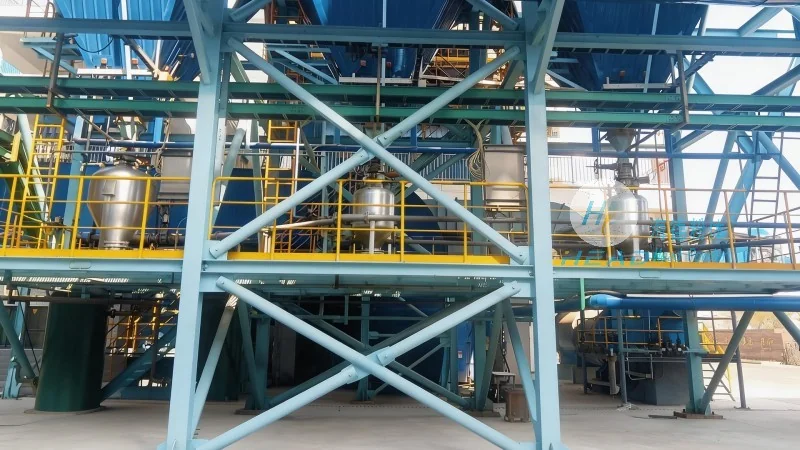
Conveyor systems are the backbone of material transport in ammonium bicarbonate handling. Belt conveyors are commonly used for horizontal or slight incline transport, while screw conveyors are ideal for vertical or inclined transport due to their ability to handle bulk materials efficiently. The choice of conveyor type depends on the specific application and the physical characteristics of the material. For ammonium bicarbonate, screw conveyors are often preferred because they can handle the material's tendency to stick and clog, thanks to their self-cleaning design and adjustable speed controls.
Pneumatic conveying systems use air pressure to transport ammonium bicarbonate through a network of pipes. This method is particularly effective for handling fine powders and preventing dust contamination. The system typically consists of a blower, a hopper, and a receiver. The material is fed into the hopper and then drawn into the pipe by the air flow, moving it to the desired destination. Pneumatic conveying offers advantages such as reduced labor costs, minimal maintenance, and the ability to transport material over longer distances without the need for multiple transfer points.
Modern ammonium bicarbonate conveying systems are equipped with advanced control systems that monitor and regulate the entire process. These systems use sensors to detect material levels, flow rates, and pressure, ensuring that the conveyor operates within safe and efficient parameters. Automation features, such as variable speed drives and feedback loops, allow for real-time adjustments to maintain consistent material transport. HeadPowder integrates state-of-the-art control technologies to enhance the reliability and efficiency of its conveying systems.

The operation of an ammonium bicarbonate material conveying system follows a systematic process that ensures the material is transported from the storage hopper to the processing or packaging area. The steps involved include material loading into the hopper, initiation of the conveyor system, transport through the conveyor or pneumatic line, and discharge at the destination. Each step is carefully controlled to prevent material loss, caking, or contamination. The process is typically automated, with minimal human intervention required, enhancing safety and operational efficiency.
The working principle of ammonium bicarbonate material conveying systems is based on the principles of mechanical and pneumatic transport. Mechanical conveyors, such as screw and belt conveyors, rely on the physical movement of the material by rotating components or moving belts. The screw conveyor, for example, uses a rotating screw to push the material forward, while the belt conveyor uses a moving belt to transport the material horizontally. Pneumatic systems, on the other hand, use compressed air to create a flow that carries the material through the pipes. The system's efficiency depends on the proper design of the components, the appropriate air pressure, and the material's physical properties.
Several technical considerations are essential for the successful operation of ammonium bicarbonate conveying systems. These include material handling considerations, such as preventing caking and dust generation, and system maintenance to ensure long-term reliability. Best practices include regular cleaning of conveyor components, proper lubrication of moving parts, and monitoring of air pressure in pneumatic systems. HeadPowder emphasizes the importance of regular maintenance and provides comprehensive support to its clients to ensure that their conveying systems operate at peak performance.
In conclusion, the operation process and working principle of ammonium bicarbonate material conveying systems are critical for the efficient handling of this important chemical compound. The integration of advanced components, such as screw and belt conveyors, pneumatic systems, and control technologies, ensures that the material is transported safely and reliably. Shandong HeadPowder Engineering Co., Ltd. specializes in designing and manufacturing these systems, providing tailored solutions that meet the specific needs of various industries. By adhering to best practices and leveraging advanced engineering, HeadPowder helps its clients achieve optimal performance and maintain product quality in their ammonium bicarbonate handling operations.

 Shandong Headpowder Engineering Co., Ltd.
 156-6277-7102(Manager Zhang)
  0531-83386006
  Zhangqiu District, Jinan City, Shandong Province, China
telephone
WeChatconsult
top