With more than 10‑year industry experience, Shandong Headpowder delivers full‑service pneumatic‑conveying systems and blowers, undertaking nationwide turn‑key powder‑handling projects.
Activated carbon powder, widely used in water treatment, air purification, and other industrial processes, requires efficient and reliable conveying methods to ensure safe and effective material handling. Shandong HeadPowder Engineering Co., Ltd., a leading provider of powder handling solutions, offers various conveying systems tailored to the needs of activated carbon powder. The choice of conveying method for activated carbon powder depends on factors such as particle size, moisture content, and the required conveying distance. This article explores the common methods used for activated carbon powder conveying, highlighting their advantages and applications.
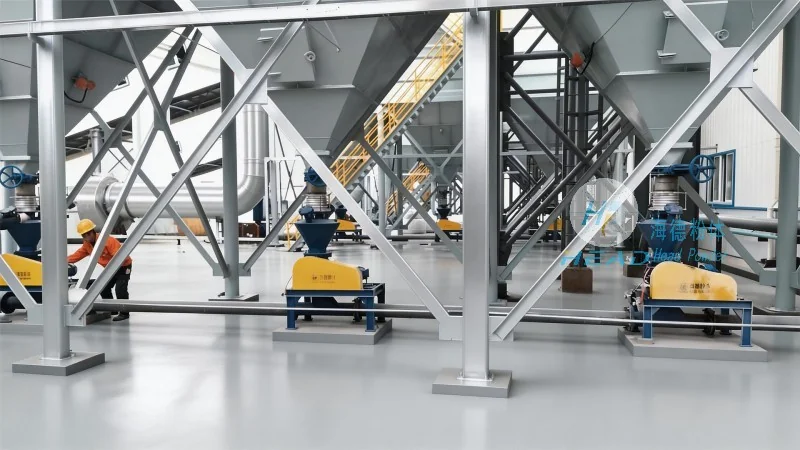
Pneumatic conveying, also known as air conveying, is a popular method for transporting activated carbon powder due to its ability to handle fine powders over long distances. This system uses compressed air to move the powder through a pipeline. There are two main types of pneumatic conveying: pressure and vacuum systems. Pressure systems use positive pressure to push the powder forward, while vacuum systems use negative pressure to pull the powder. Pneumatic conveying is particularly effective for activated carbon powder because it minimizes product contamination and can handle high volumes. The equipment used includes feeders, pipelines, and dust collectors. The efficiency of pneumatic conveying depends on the air velocity and the design of the system. For activated carbon powder, the air velocity is typically maintained between 20-30 m/s to prevent particle segregation and ensure smooth flow.
Screw conveyors, also known as auger conveyors, are another common method for conveying activated carbon powder. This equipment consists of a rotating screw inside a trough or tube, which moves the powder forward. Screw conveyors are suitable for horizontal or slightly inclined applications and can handle a wide range of particle sizes. They are particularly effective for activated carbon powder with moderate moisture content, as the screw design helps to prevent clogging. The key advantages of screw conveyors include their simplicity, low maintenance, and ability to operate in a closed system, which helps to contain dust and prevent contamination. However, screw conveyors may not be suitable for very fine or abrasive activated carbon powders, as they can cause wear and tear on the screw and trough. The speed and pitch of the screw can be adjusted to control the conveying capacity and prevent material buildup.
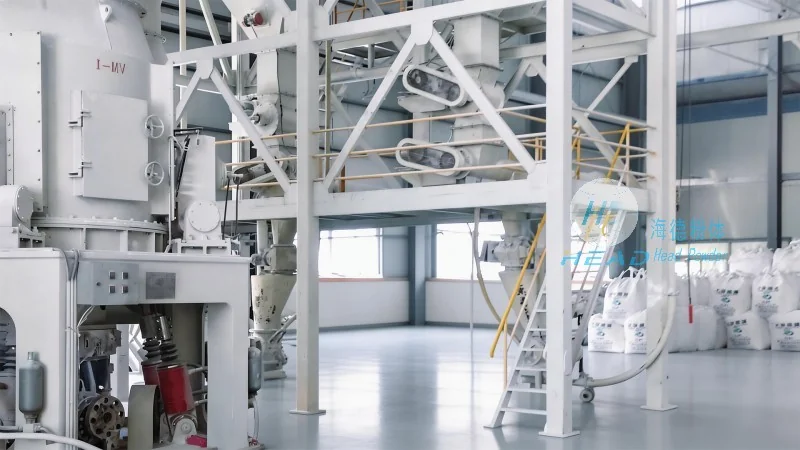
Vibrating conveyors use vibrations to move activated carbon powder along a conveyor bed. This method is particularly effective for powders with high moisture content or those that tend to stick to surfaces. The conveyor consists of a trough that vibrates at a specific frequency and amplitude, causing the powder to move forward. Vibrating conveyors are suitable for both horizontal and inclined applications and can handle a wide range of particle sizes. They are particularly effective for activated carbon powder because they minimize product degradation and can operate in a closed system. The key advantages of vibrating conveyors include their ability to handle sticky or cohesive materials and their low energy consumption. However, they may not be suitable for very fine powders, as the vibrations can cause particle segregation. The design of the vibrating conveyor, including the frequency and amplitude of the vibrations, is critical to ensure efficient conveying of activated carbon powder.
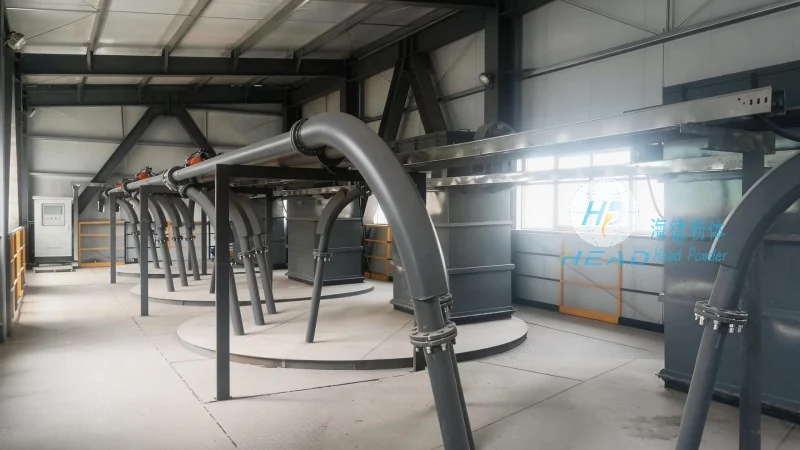
Belt conveyors are commonly used for the bulk handling of activated carbon powder, especially in large-scale industrial applications. This system uses a continuous belt that moves over rollers to transport the powder. Belt conveyors are suitable for horizontal or slightly inclined applications and can handle high volumes of material. They are particularly effective for activated carbon powder because they can be designed to handle abrasive or heavy materials. The key advantages of belt conveyors include their high capacity, low maintenance, and ability to operate over long distances. However, belt conveyors may not be suitable for very fine powders, as they can cause dust and require regular cleaning. The design of the belt conveyor, including the belt material and tension, is critical to ensure efficient conveying of activated carbon powder.
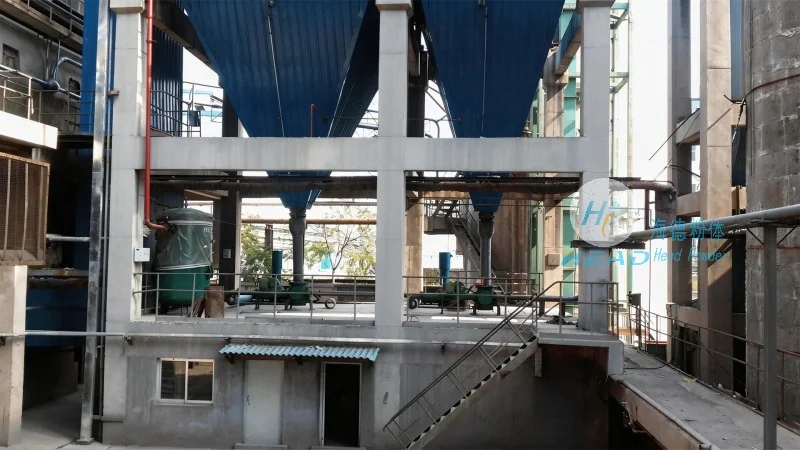
Hydraulic conveying is a less common method for activated carbon powder but is used in some specialized applications. This system uses a liquid medium, such as water or oil, to transport the powder. The powder is suspended in the liquid and moved through a pipeline. Hydraulic conveying is particularly effective for activated carbon powder with high moisture content or those that are difficult to handle by other methods. The key advantages of hydraulic conveying include its ability to handle abrasive or sticky materials and its low energy consumption. However, it may not be suitable for very fine powders, as the liquid can cause particle segregation. The design of the hydraulic system, including the pump and pipeline, is critical to ensure efficient conveying of activated carbon powder.
When selecting a conveying method for activated carbon powder, it is important to consider factors such as the particle size, moisture content, and required conveying distance. Pneumatic conveying is often preferred for long-distance and fine powder applications, while screw and vibrating conveyors are suitable for shorter distances and moderate particle sizes. Belt conveyors are ideal for bulk handling, and hydraulic conveying is used for specialized applications. The choice of method should also consider the cost, maintenance requirements, and environmental impact. By understanding the characteristics of activated carbon powder and the advantages of each conveying method, manufacturers can select the most appropriate system to ensure efficient and safe material handling.

 Shandong Headpowder Engineering Co., Ltd.
 156-6277-7102(Manager Zhang)
  0531-83386006
  Zhangqiu District, Jinan City, Shandong Province, China
telephone
WeChatconsult
top