With more than 10‑year industry experience, Shandong Headpowder delivers full‑service pneumatic‑conveying systems and blowers, undertaking nationwide turn‑key powder‑handling projects.
Grain bulk pneumatic conveying machines are essential equipment in the modern agricultural and food processing industries. These systems utilize air to transport grain particles from one location to another, offering a highly efficient and flexible solution for material handling. The technology behind these machines combines principles of fluidization and air dynamics to ensure smooth and reliable grain movement.
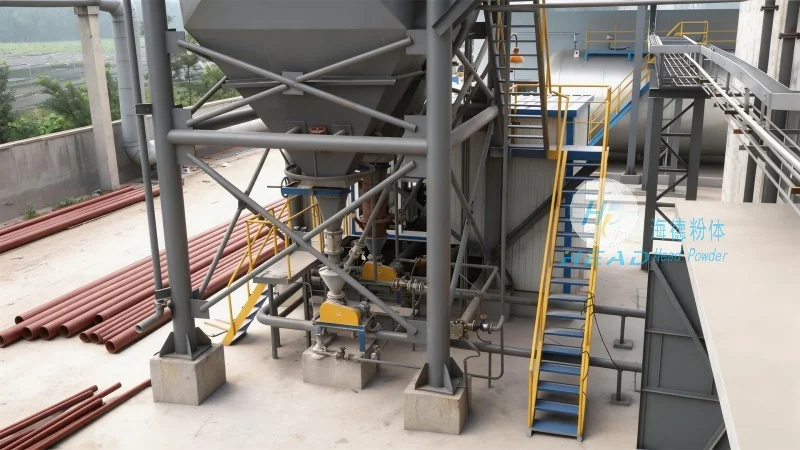
HeadPowder, a leading manufacturer based in Shandong, China, specializes in the design, development, and production of advanced pneumatic conveying systems. With a strong commitment to quality and innovation, the company has established itself as a trusted partner for businesses seeking reliable grain handling solutions. The company's headquarters is located in Shandong, China, where it operates a state-of-the-art manufacturing facility equipped with the latest technology and skilled workforce.
The core principle of pneumatic conveying for grain particles involves the use of compressed air to create a flow that carries the grain through a pipeline. The process typically starts with the grain being fed into a hopper or silo, where it is then introduced into the conveying line. As air is introduced, the grain particles become suspended in the air stream, allowing them to be transported over long distances without the need for mechanical components like belts or buckets. This method not only reduces the risk of contamination but also minimizes wear and tear on the equipment.
One of the primary advantages of pneumatic conveying systems is their ability to handle a wide variety of grain types, including wheat, corn, rice, and other bulk materials. The flexibility of these systems allows for customization based on the specific requirements of the application, such as the distance to be covered, the volume of grain to be transported, and the desired speed of operation. This adaptability makes pneumatic conveying suitable for various working scenes, from small-scale farms to large industrial processing facilities.
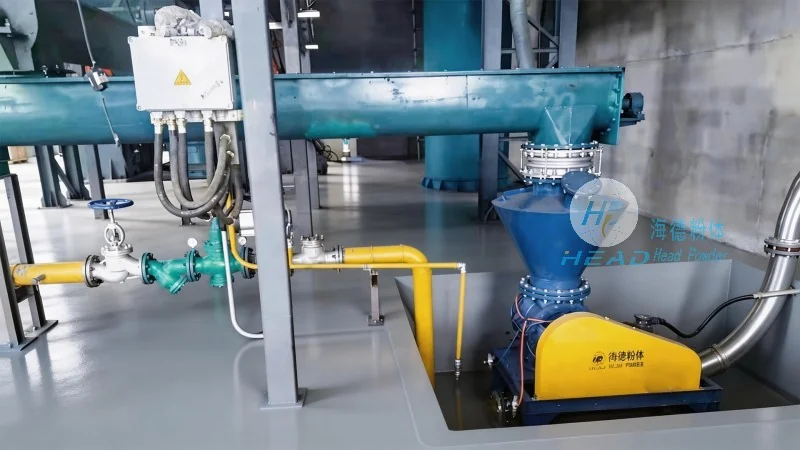
The working scene characteristics of grain bulk pneumatic conveying machines are diverse and tailored to meet the needs of different industries. In agricultural settings, these machines are commonly used for transferring harvested grain from storage silos to processing plants or for moving grain between different parts of a farm. The efficiency of the system ensures that grain is moved quickly and with minimal loss, which is crucial for maintaining the quality and value of the product. In food processing industries, the hygienic design of pneumatic conveying systems is particularly important, as they help prevent cross-contamination and maintain the integrity of the grain during transport.
Industrial applications of pneumatic conveying for grain particles also include the movement of grain between processing stages, such as from cleaning and sorting to packaging. The ability to handle large volumes of grain at high speeds makes these systems ideal for high-throughput operations. Additionally, the systems can be integrated with other processing equipment, such as grain cleaners, dehuskers, and grinders, to form a complete production line. This integration enhances overall operational efficiency and reduces the need for manual labor in grain handling tasks.
Another key aspect of the working scene characteristics is the environmental impact of pneumatic conveying systems. Unlike traditional mechanical conveyors, which may generate dust and noise, pneumatic systems are designed to minimize these issues. The enclosed nature of the conveying line helps contain dust, reducing the risk of respiratory problems for workers and preventing contamination of the grain. Furthermore, the energy efficiency of modern pneumatic conveying systems makes them a sustainable choice for businesses looking to reduce their environmental footprint.
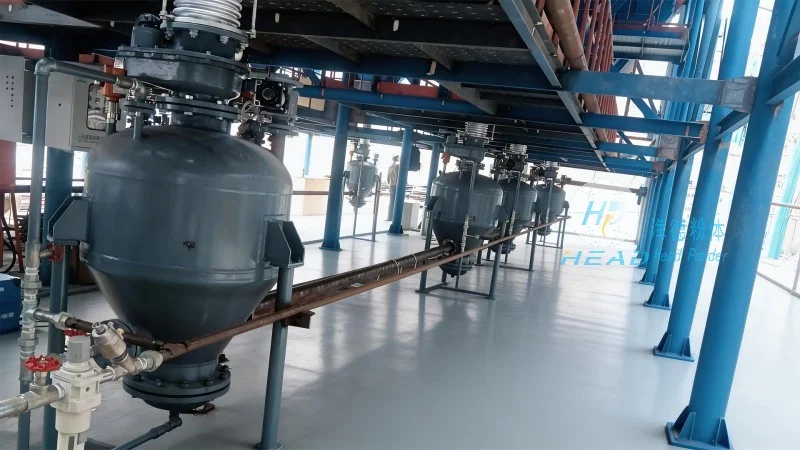
When considering the implementation of a grain bulk pneumatic conveying machine, several factors need to be evaluated to ensure optimal performance. The first is the type of grain being transported, as different grains have varying particle sizes and densities, which affect the air flow requirements. The second is the distance and elevation changes between the start and end points of the conveying line, as these factors influence the pressure and power needed for the system. The third is the required throughput capacity, which determines the size and capacity of the conveying equipment. By carefully analyzing these factors, businesses can select the most suitable pneumatic conveying system for their specific needs.
HeadPowder's expertise in designing and manufacturing pneumatic conveying systems ensures that clients receive tailored solutions that meet their exact requirements. The company's team of engineers and technicians work closely with clients to understand their operational needs and provide recommendations for the most efficient and cost-effective system. From initial consultation to installation and maintenance, HeadPowder offers comprehensive support to ensure that the pneumatic conveying machine operates at peak performance throughout its lifecycle.
In conclusion, grain bulk pneumatic conveying machines represent a sophisticated and efficient solution for the transportation of grain particles. The principles of pneumatic conveying, combined with the working scene characteristics tailored to various applications, make these systems indispensable in the agricultural and food processing industries. With its commitment to quality and innovation, Shandong HeadPowder Engineering Co., Ltd. continues to provide reliable and advanced pneumatic conveying solutions that meet the evolving needs of the industry.

 Shandong Headpowder Engineering Co., Ltd.
 156-6277-7102(Manager Zhang)
  0531-83386006
  Zhangqiu District, Jinan City, Shandong Province, China
telephone
WeChatconsult
top