With more than 10‑year industry experience, Shandong Headpowder delivers full‑service pneumatic‑conveying systems and blowers, undertaking nationwide turn‑key powder‑handling projects.
Salt is one of the most essential commodities in the global industrial and food supply chains. From large-scale chemical processing plants to food manufacturing facilities, the need for efficient, safe, and hygienic salt handling is paramount. The process of moving salt from one point to another, known as salt transportation, presents unique challenges. Salt is a granular material that can be abrasive, corrosive, and prone to dust generation. Traditional mechanical methods, such as belt conveyors or screw conveyors, often struggle to maintain the purity and integrity of the product during transit. This is where advanced pneumatic conveying technology becomes a critical component of modern infrastructure. Efficient material handling is not just about moving goods; it is about ensuring the quality of the product remains intact while minimizing environmental risks and operational costs.
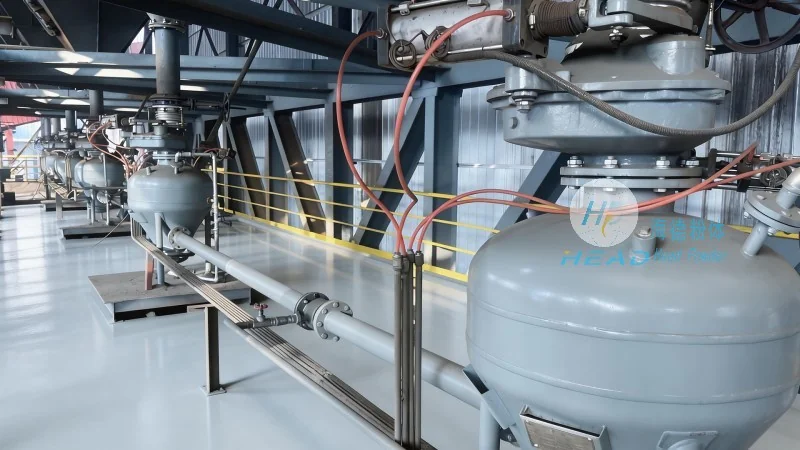
When considering options for bulk material handling, facility managers often evaluate traditional mechanical systems against modern pneumatic solutions. Mechanical conveyors, while robust, can suffer from spillage, leakage, and the difficulty of routing around existing plant structures. Furthermore, they require regular maintenance due to wear and tear from abrasive salt particles. In contrast, pneumatic conveying systems utilize air pressure to move materials through a closed pipeline system. This method eliminates the need for moving mechanical parts within the flow path, significantly reducing product degradation and contamination risks. For industries where hygiene is non-negotiable, such as the food and pharmaceutical sectors, the sealed nature of pneumatic systems is a decisive advantage over open mechanical systems.
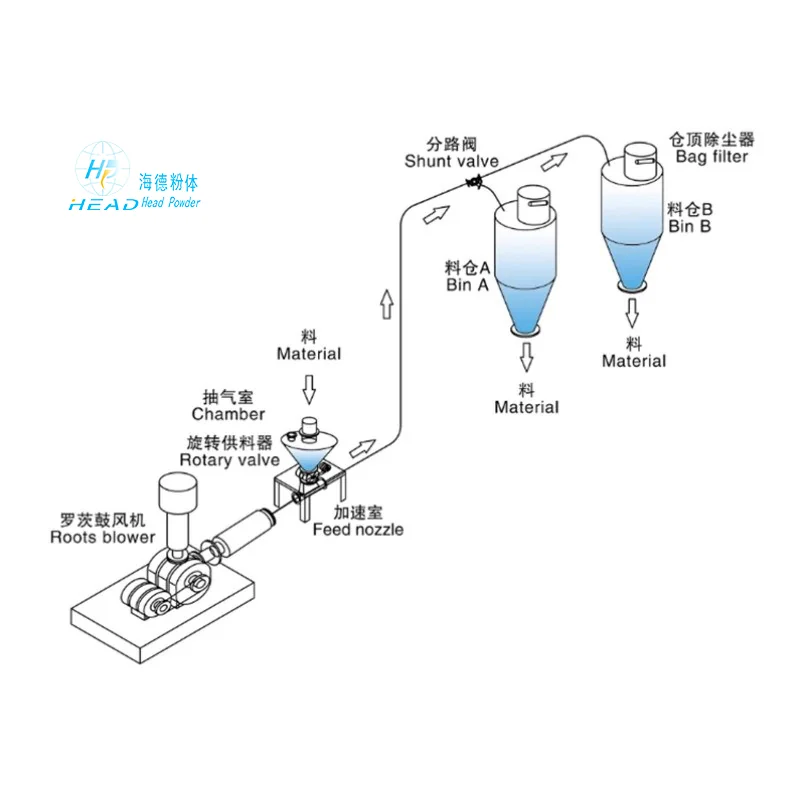
Salt pneumatic conveying represents the gold standard for moving this specific type of bulk material. Unlike general-purpose powders, salt has specific physical properties that require a tailored approach to air velocity and pressure. An effective salt pneumatic conveying system must balance the need to move the material quickly with the need to prevent dust explosions and minimize product attrition. The system typically consists of a feeding device, a conveying pipeline, a gas source (such as a Roots blower or screw compressor), and a receiving hopper. By carefully controlling the air-to-material ratio, engineers can ensure that the salt flows smoothly without clogging or bridging, which are common issues in powder handling. This technology ensures a continuous, automated flow of material, enhancing overall plant efficiency.
Shandong Headpowder Engineering Co., Ltd., operating under the brand name headpowder, has established itself as a leading expert in the field of bulk material handling. The company specializes in providing comprehensive solutions for various industries, with a strong focus on the food and chemical sectors. Their expertise extends to the design and installation of specialized salt pneumatic conveying systems that meet rigorous international standards. By leveraging advanced engineering principles, Headpowder ensures that every project delivers reliable performance. Whether the requirement is for a simple transfer from a silo to a packaging line or a complex multi-point distribution network, the company provides tailored solutions that address the specific nuances of the material being handled. Their commitment to quality ensures that clients receive systems that are not only efficient but also durable and easy to maintain.
A robust material transport system is the backbone of any high-volume processing facility. It connects raw material intake to final product packaging, ensuring a seamless production line. For facilities handling large quantities of salt, a reliable system is vital to prevent bottlenecks and downtime. A well-designed pneumatic conveying system minimizes the labor required for manual handling, reducing the risk of workplace injuries and improving safety compliance. Furthermore, these systems are highly flexible; they can be easily retrofitted into existing facilities without major structural modifications. This flexibility allows businesses to upgrade their infrastructure without shutting down operations. By integrating a sophisticated material transport solution, companies can achieve a higher level of automation, leading to consistent output and reduced operational overhead.
Choosing the right partner for salt transportation is crucial for the long-term success of a project. Shandong Headpowder Engineering Co., Ltd. stands out due to its deep technical knowledge and customer-centric approach. The company understands that every client has unique requirements, whether it involves handling high-moisture salt or abrasive crystalline salt. They offer end-to-end services, from initial feasibility studies and system design to manufacturing, installation, and after-sales support. Their team of engineers is adept at solving complex flow problems, ensuring that the system operates at peak efficiency. By utilizing high-quality components and adhering to strict safety protocols, Headpowder guarantees a system that will serve the client for decades. Their focus on innovation ensures that clients benefit from the latest advancements in pneumatic conveying technology.
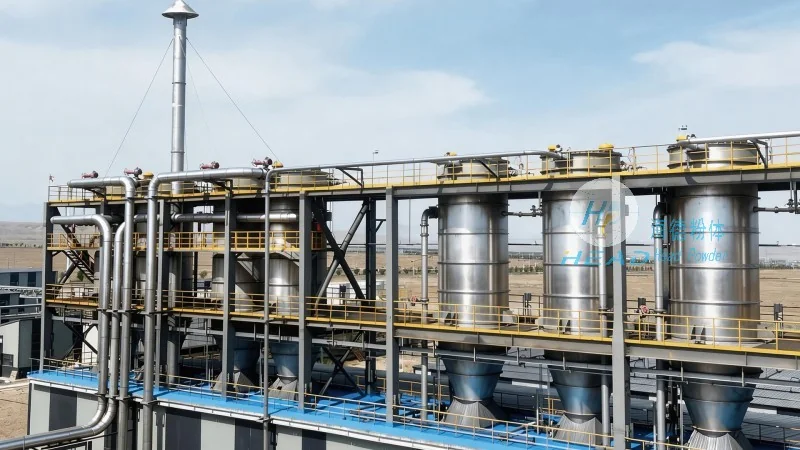
Implementing a pneumatic conveying system for salt offers numerous tangible benefits. The primary advantage is the complete containment of the material. Since the system is fully sealed, there is zero risk of environmental contamination or product loss due to spillage. This is particularly important for maintaining the purity of food-grade salt. Additionally, pneumatic conveying is highly energy-efficient compared to mechanical systems, as it requires less maintenance and has lower friction losses. The absence of moving parts in the conveyor line also means a quieter operation, which is beneficial for industrial environments. Furthermore, the ability to transport materials over long distances and up significant elevations makes pneumatic systems ideal for large industrial complexes. For any facility looking to modernize its handling processes, investing in a pneumatic solution is a strategic decision that pays dividends in efficiency and safety.
For businesses seeking to optimize their salt handling operations, Shandong Headpowder Engineering Co., Ltd. is the trusted partner of choice. Their expertise in salt pneumatic conveying and general material transport ensures that every project is executed with precision and professionalism. If you are looking to upgrade your current systems or design a new facility from the ground up, their team is ready to assist. To discuss your specific requirements and receive a detailed proposal, please contact Mr. Zhang, the project manager at Headpowder. You can reach him directly via WeChat at 15662777102. Mr. Zhang and his team are committed to providing the highest level of service and technical support to ensure your material transportation challenges are met with innovative and effective solutions.

 Shandong Headpowder Engineering Co., Ltd.
 156-6277-7102(Manager Zhang)
  0531-83386006
  Zhangqiu District, Jinan City, Shandong Province, China
telephone
WeChatconsult
top