With more than 10‑year industry experience, Shandong Headpowder delivers full‑service pneumatic‑conveying systems and blowers, undertaking nationwide turn‑key powder‑handling projects.
Glass beads are integral components in numerous industrial processes, and the efficient transportation of these small, spherical particles is essential for maintaining production efficiency and product quality. Different conveying methods are employed based on the specific requirements of the application, such as particle size, material properties, and operational environment. This article provides a detailed comparison of common glass bead conveying methods, focusing on their mechanisms, advantages, and typical applications. The information is presented with the expertise of Shandong HeadPowder Engineering Co., Ltd. (headpowder), a leading provider of material handling solutions, in mind.
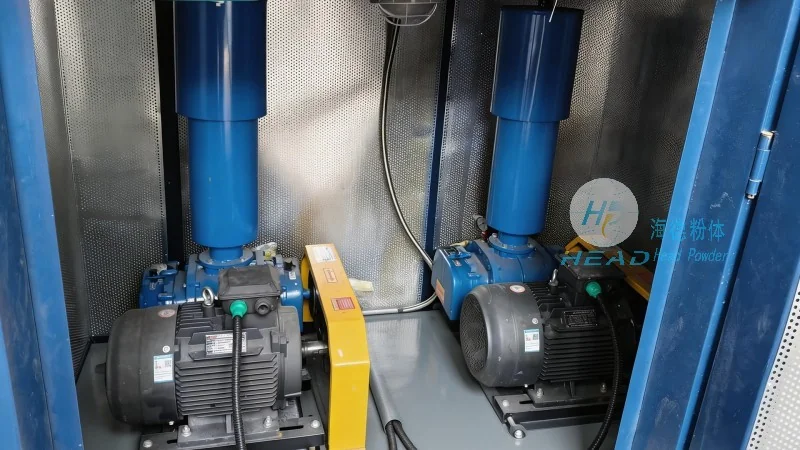
Gravity conveying systems utilize the natural force of gravity to move glass beads from one location to another. These systems typically consist of inclined chutes or hoppers that allow the beads to flow downward under the influence of gravity. The design of gravity conveyors is relatively simple, often requiring minimal mechanical components, which can reduce maintenance costs and energy consumption. However, the effectiveness of gravity conveying is highly dependent on the angle of the chute and the characteristics of the glass beads, such as their size and density. For instance, smaller or lighter glass beads may require a steeper incline to achieve adequate flow rates. In industrial settings, gravity conveyors are commonly used for short-distance transportation where the vertical or horizontal elevation change is manageable. They are particularly suitable for applications involving non-abrasive or low-density glass beads, as excessive friction or impact could damage the particles. The headpowder company, with its expertise in material handling solutions, has developed specialized gravity conveyor designs that optimize flow rates while minimizing particle degradation.
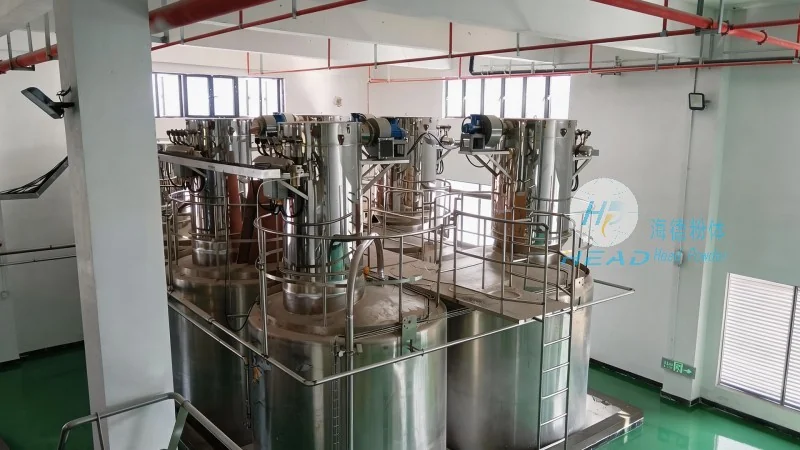
Mechanical conveying systems employ mechanical energy to transport glass beads. These systems include various types such as screw conveyors, belt conveyors, and pneumatic conveyors. Screw conveyors use a rotating screw to push the beads along a tube or trough. This method is effective for moving glass beads over moderate distances and can handle a wide range of particle sizes. The main advantage of screw conveyors is their ability to handle bulk materials continuously and with minimal spillage. However, they may generate significant friction and heat, which can affect the temperature-sensitive properties of some glass beads. Belt conveyors, on the other hand, use a moving belt to transport the beads. This method is suitable for longer distances and can handle larger quantities of material. Belt conveyors are often used in combination with other equipment, such as feeders or sorters, to enhance the overall efficiency of the conveying process. Pneumatic conveyors utilize air pressure to move glass beads through a pipeline. This method is particularly useful for transporting glass beads in dusty or hazardous environments, as it can contain the material and prevent dust emissions. However, pneumatic conveyors require higher energy input and may be less efficient for very fine or lightweight glass beads. The choice of mechanical conveying system depends on factors like the required conveying distance, the volume of material to be moved, and the need for material containment. For example, a screw conveyor might be preferred for a short-distance, high-volume transfer of standard glass beads, while a pneumatic conveyor could be more suitable for a long-distance, low-volume transfer of fine glass beads in a controlled environment.
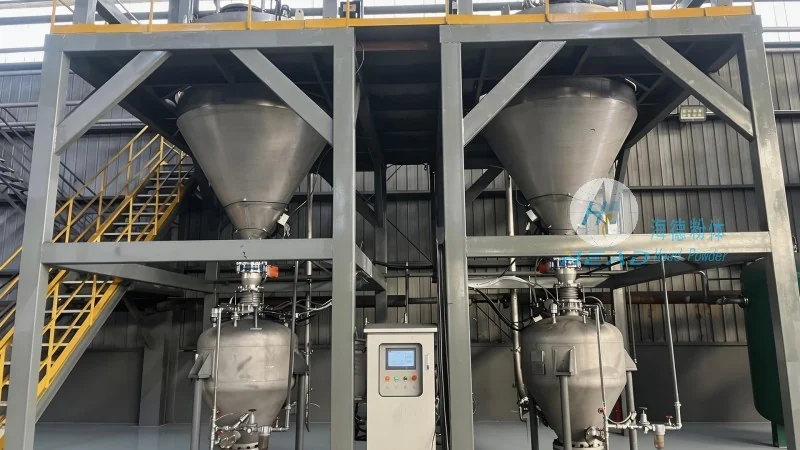
Air-lift conveying systems are a specialized type of pneumatic conveyor that uses a vertical or inclined tube to transport glass beads using air pressure. The system operates by creating a pressure differential between the top and bottom of the tube, which draws the beads upward or along the tube. This method is particularly effective for moving glass beads vertically over significant heights, such as from a storage silo to a processing line. The air-lift system is known for its ability to handle a wide range of particle sizes and can maintain a consistent flow rate even with varying material loads. However, it requires careful control of air pressure and flow rate to prevent particle clogging or excessive wear on the tube walls. The headpowder company has developed advanced air-lift designs that incorporate features like adjustable air nozzles and anti-clogging mechanisms to ensure reliable operation. These systems are commonly used in applications where vertical transportation is necessary, such as in the glass manufacturing industry or in the processing of abrasive materials. The efficiency of air-lift conveyors is influenced by factors like the bead density, the air flow rate, and the tube diameter. Proper sizing and maintenance of the air-lift system are critical to achieving optimal performance and minimizing downtime.
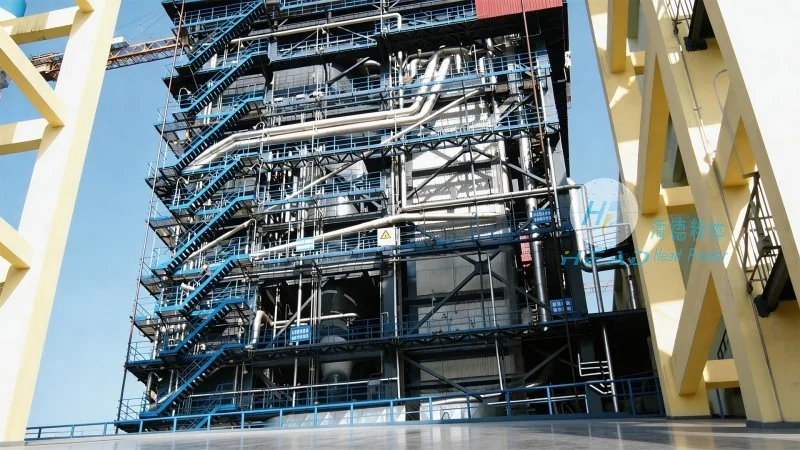
When selecting a glass bead conveying method, several factors must be considered to ensure the most suitable option is chosen. The first factor is the distance and elevation change required for transportation. Gravity systems are ideal for short distances with minimal elevation changes, while mechanical and pneumatic systems are better suited for longer distances or significant vertical movement. The second factor is the material properties of the glass beads, including size, density, and abrasiveness. For example, fine or lightweight beads may require pneumatic or mechanical systems to maintain flow rates, whereas larger or heavier beads can be handled by gravity or screw conveyors. The third factor is the operational environment, such as the presence of dust, moisture, or other contaminants. Pneumatic systems are advantageous in dusty environments as they can contain the material, while gravity systems are more suitable in clean or dry conditions. The fourth factor is the required throughput and flow rate. Mechanical systems, such as screw or belt conveyors, are often preferred for high-volume applications, whereas gravity or air-lift systems may be more appropriate for lower-volume or intermittent operations. Cost considerations also play a role in the selection process. Gravity systems typically have lower initial costs and maintenance requirements, while pneumatic systems may have higher energy costs and more complex maintenance needs. The headpowder company provides comprehensive solutions that consider all these factors, offering customized conveying systems tailored to the specific needs of each client. By evaluating the application requirements and material characteristics, the company can recommend the most efficient and cost-effective conveying method for glass beads.

 Shandong Headpowder Engineering Co., Ltd.
 156-6277-7102(Manager Zhang)
  0531-83386006
  Zhangqiu District, Jinan City, Shandong Province, China
telephone
WeChatconsult
top