With more than 10‑year industry experience, Shandong Headpowder delivers full‑service pneumatic‑conveying systems and blowers, undertaking nationwide turn‑key powder‑handling projects.
Understanding the principles and operational characteristics of polytrifluorochloroethylene (PTFE) pneumatic conveying is crucial for industries that handle this specialized material. This article delves into the fundamental mechanisms behind PTFE pneumatic conveying systems and explores the specific scenarios where such systems are most effectively applied. By examining the technical aspects and practical applications, we aim to provide a comprehensive overview that is both informative and actionable for professionals in the field.
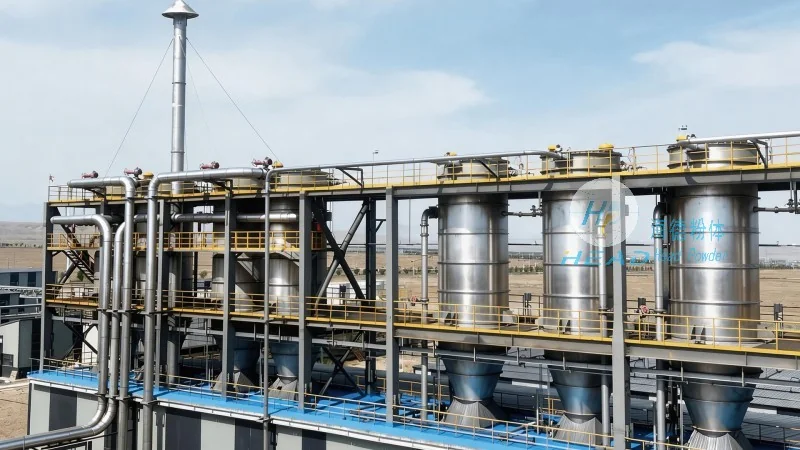
Polytrifluorochloroethylene, commonly known as PTFE, is a high-performance fluoropolymer renowned for its exceptional chemical resistance, thermal stability, and non-stick properties. It is widely used in applications ranging from industrial coatings and bearings to medical devices and aerospace components. Pneumatic conveying, a method of transporting bulk materials through a pipeline using pressurized air or gas, offers a flexible and efficient solution for handling PTFE powders and granules. This approach eliminates the need for mechanical components like screws or belts, reducing maintenance and improving material purity.
The fundamental principle of PTFE pneumatic conveying involves creating a flow of air or gas within a closed pipeline system. The material to be conveyed is introduced into the pipeline, often via a hopper or feeder, and is suspended in the air stream. The velocity of the air is carefully controlled to ensure that the PTFE particles remain entrained and transported to the destination point without settling or clogging the system. Key factors influencing the effectiveness of this process include air velocity, material density, particle size distribution, and the design of the conveying line.
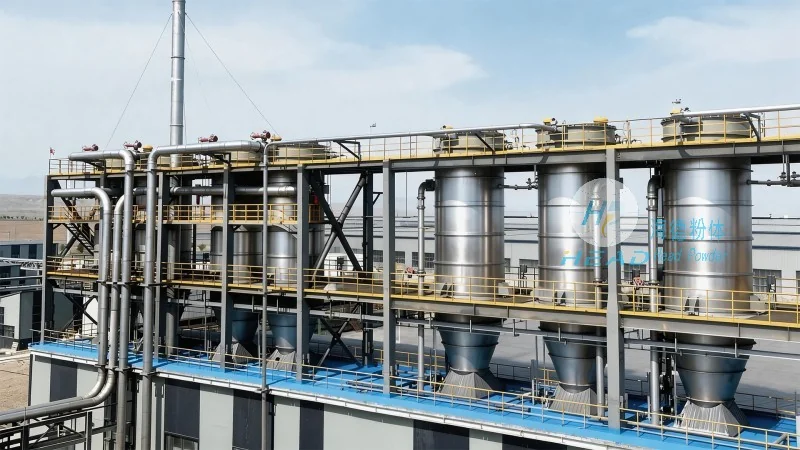
A PTFE pneumatic conveying system typically consists of several critical components. These include a material feed hopper, an air supply unit (such as a blower or compressor), a conveying pipeline, and a discharge device. The hopper is designed to store and meter the PTFE material, ensuring a consistent feed rate. The air supply unit generates the necessary pressure and flow rate to move the material through the pipeline. The pipeline itself is often made of materials resistant to PTFE's chemical properties, such as stainless steel or specialized plastics, to prevent corrosion and material degradation. The discharge device, which may include a rotary valve or a venturi, controls the release of the material at the destination point, preventing backflow and maintaining system integrity.
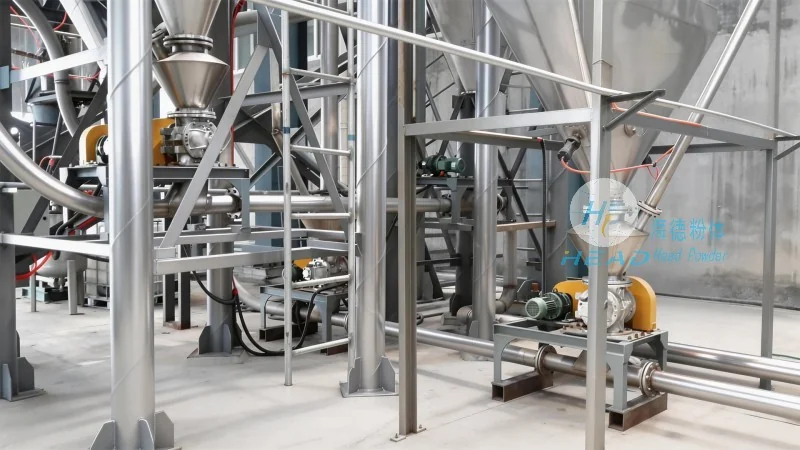
The effectiveness of PTFE pneumatic conveying is highly dependent on the specific working environment and application requirements. Several key characteristics define the scenarios where this technology excels:
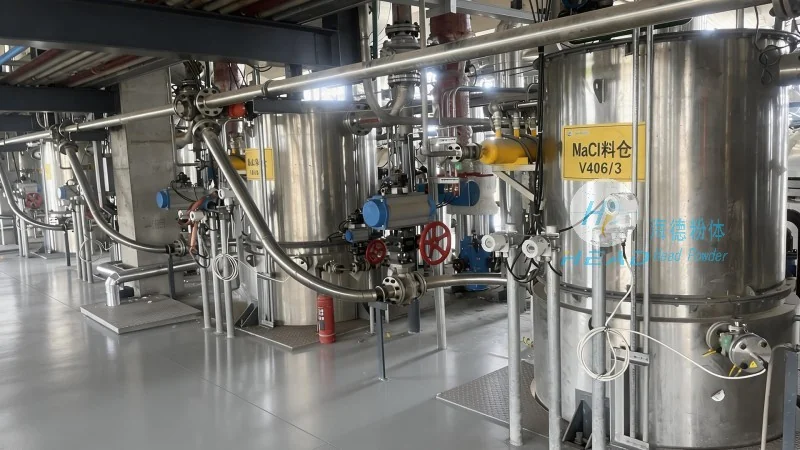
Companies like Shandong HeadPowder Engineering Co., Ltd. specialize in designing and implementing PTFE pneumatic conveying systems tailored to the unique needs of their clients. For example, in the aerospace industry, PTFE is used in the manufacturing of high-performance bearings and seals. A pneumatic conveying system can efficiently transport PTFE powders from storage to the production line, ensuring that the material remains free of contaminants and is delivered in precise quantities. Similarly, in the medical device sector, PTFE is used for components that require biocompatibility and non-stick properties. The controlled environment of a pneumatic system helps maintain the purity of the material, which is critical for meeting regulatory standards.
Polytrifluorochloroethylene pneumatic conveying represents a sophisticated and efficient method for handling this specialized material. By understanding the underlying principles and leveraging the specific characteristics of the system, industries can optimize their material handling processes, improve product quality, and reduce operational costs. As technology advances, further innovations in system design and material compatibility may enhance the capabilities of PTFE pneumatic conveying, making it an even more valuable solution for future industrial applications.

 Shandong Headpowder Engineering Co., Ltd.
 156-6277-7102(Manager Zhang)
  0531-83386006
  Zhangqiu District, Jinan City, Shandong Province, China
telephone
WeChatconsult
top