

Operating Process and Working Principle of Hydrogen Sulfide Powder Pneumatic Conveying
Hydrogen sulfide (H₂S) is a toxic and corrosive gas commonly encountered in industrial processes, particularly in the petroleum, chemical, and mining sectors. The safe and efficient handling of H₂S powder is crucial for preventing environmental hazards and ensuring operational safety. Pneumatic conveying systems offer a reliable method for transporting H₂S powder from storage to processing units, and understanding their operating process and working principles is essential for optimizing performance and maintaining compliance with safety regulations.

Overview of Hydrogen Sulfide Powder Pneumatic Conveying Systems
Pneumatic conveying systems for H₂S powder are designed to transport dry powder through a pipeline using compressed air or other gas as the conveying medium. These systems are typically categorized into two main types: dilute-phase and dense-phase conveying. Dilute-phase systems use low air-to-powder ratios, resulting in high velocity and low pressure, while dense-phase systems employ higher air-to-powder ratios, leading to lower velocity and higher pressure. The choice between these systems depends on the specific application requirements, such as the distance to be covered, the particle size of the H₂S powder, and the desired flow rate.
Key Components of a Hydrogen Sulfide Powder Pneumatic Conveying System
The core components of a H₂S powder pneumatic conveying system include a hopper or silo for storing the powder, a feeder to control the flow rate, a compressor or blower to generate the conveying air, a pipeline network to transport the powder-air mixture, and a receiver or discharge unit to collect the powder. Additional components may include filters to remove dust and moisture, pressure regulators to maintain stable pressure, and safety devices to prevent overpressure or gas leaks. Each component plays a critical role in ensuring the system operates efficiently and safely.
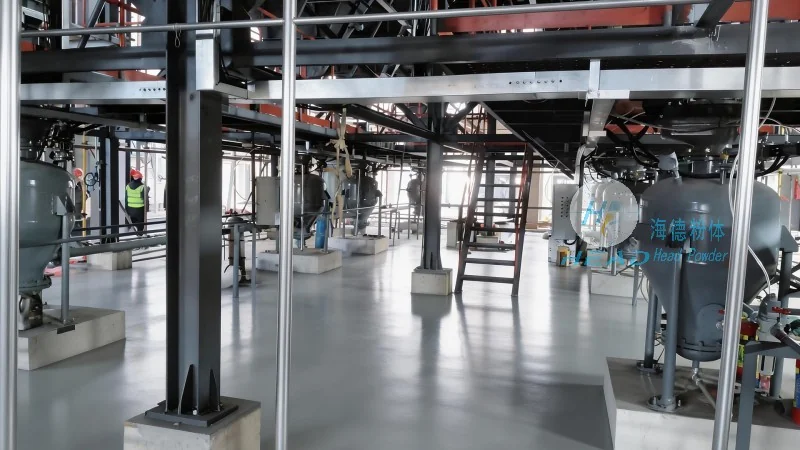
Operating Process of Hydrogen Sulfide Powder Pneumatic Conveying
The operation of a H₂S powder pneumatic conveying system involves several sequential steps. First, the H₂S powder is fed from the storage hopper into the feeder, which regulates the powder flow rate based on the system's requirements. Simultaneously, the compressor or blower supplies compressed air to the pipeline. The feeder then releases the powder into the pipeline, where it is entrained by the high-velocity air stream and carried to the receiver. The air-powder mixture travels through the pipeline, with the air velocity sufficient to maintain the powder in suspension. Upon reaching the receiver, the air is separated from the powder, often using a cyclone or filter, and the powder is collected in the receiver. The air, now filtered and possibly recycled, is then discharged to the atmosphere or returned to the compressor for reuse.
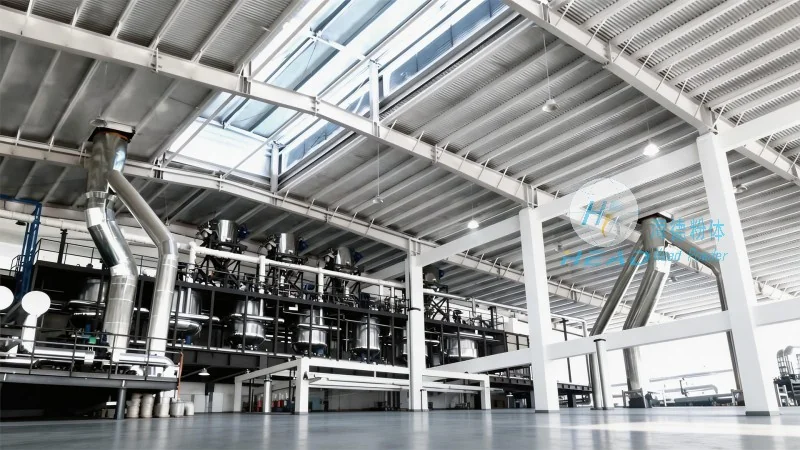
Working Principle of Hydrogen Sulfide Powder Pneumatic Conveying
The working principle of a H₂S powder pneumatic conveying system is based on the principle of fluidization and suspension. When compressed air is introduced into the pipeline, it creates a high-velocity flow that lifts and transports the H₂S powder particles. The air velocity must be sufficient to overcome the gravitational force acting on the powder particles and to maintain them in a suspended state. The key parameters influencing the conveying performance include the air velocity, the air-to-powder ratio, the particle size and density of the H₂S powder, and the pipeline diameter. Proper design of these parameters ensures that the powder is conveyed smoothly without clogging or degradation.
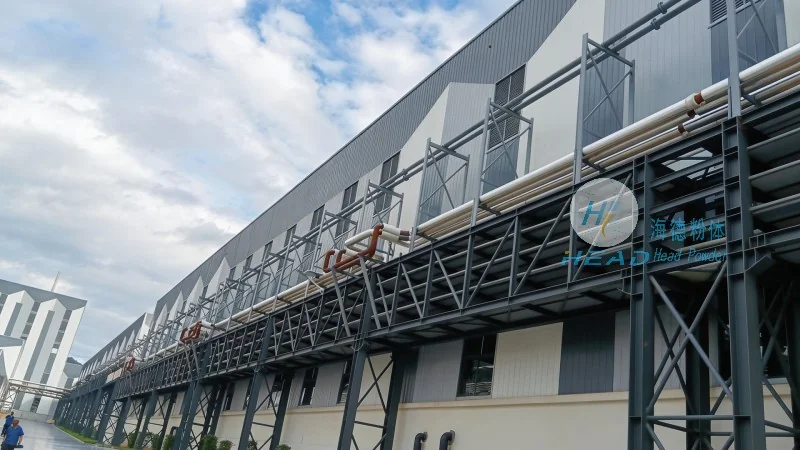
Safety Considerations in Hydrogen Sulfide Powder Pneumatic Conveying
Due to the toxic and corrosive nature of H₂S, special safety measures are essential when operating pneumatic conveying systems. The system must be equipped with robust gas detection and alarm systems to monitor H₂S levels in the air and alert personnel in case of leaks. Additionally, the equipment should be constructed from materials resistant to H₂S corrosion, such as stainless steel or specialized alloys. Proper ventilation and explosion-proof designs are also critical to prevent the accumulation of H₂S gas and to mitigate the risk of explosions. Regular maintenance and inspection of the system are necessary to ensure that all safety features are functioning correctly and that the system remains in compliance with local regulations.
About Shandong HeadPowder Engineering Co., Ltd.
Shandong HeadPowder Engineering Co., Ltd., commonly known as HeadPowder, is a leading manufacturer and supplier of pneumatic conveying systems and related equipment for industrial applications. With a strong focus on innovation and quality, HeadPowder specializes in designing and manufacturing customized solutions for handling hazardous materials like hydrogen sulfide powder. The company's products are engineered to meet the highest safety and performance standards, ensuring reliable and efficient operation in demanding industrial environments. HeadPowder's commitment to customer satisfaction and technical excellence has made it a trusted partner for businesses in the chemical, petroleum, and mining industries. The company is headquartered in Shandong, China, providing local support and expertise to its clients worldwide.