With more than 10‑year industry experience, Shandong Headpowder delivers full‑service pneumatic‑conveying systems and blowers, undertaking nationwide turn‑key powder‑handling projects.
Caustic soda, also known as sodium hydroxide, is a widely used chemical in various industrial applications. The efficient and safe transportation of caustic soda powder is crucial for maintaining production efficiency and ensuring operational safety. This article provides a detailed overview of the operation process and working principle of a pneumatic conveying system designed specifically for caustic soda powder, developed by Shandong HeadPowder Engineering Co., Ltd., a leading company based in China.
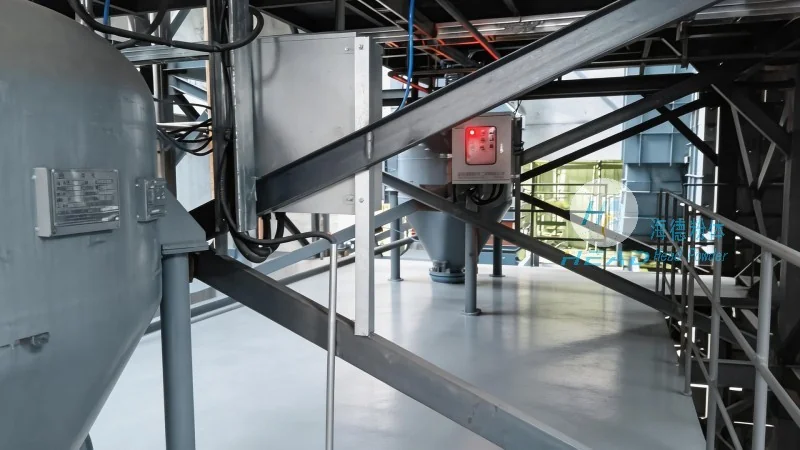
The caustic soda powder pneumatic conveying system is a sophisticated piece of equipment engineered to handle the transportation of caustic soda powder from storage silos or processing units to various destinations within a facility. The system is designed to ensure minimal product loss, maintain product integrity, and comply with safety regulations. Shandong HeadPowder Engineering Co., Ltd. specializes in the design, manufacturing, and installation of such systems, leveraging years of experience in the chemical processing industry.
The operation of the caustic soda powder pneumatic conveying system involves several key steps, each carefully controlled to ensure smooth and efficient material transport. The process typically begins with the preparation phase, where the system is checked for proper functionality, including the condition of the air compressor, the integrity of the conveying lines, and the level of caustic soda powder in the storage silo. Once the system is ready, the following steps are executed:
1. System Activation: The air compressor is started, generating the necessary pressure to initiate the conveying process. The pressure is carefully regulated to match the requirements of the caustic soda powder being transported, ensuring that the material is moved without causing excessive wear or degradation.
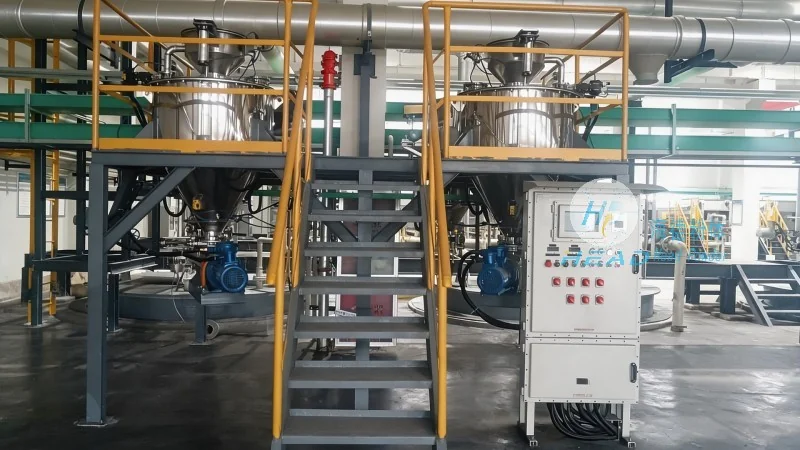
2. Powder Feeding: The caustic soda powder is fed from the storage silo into the conveying line through a feeder mechanism. The feeder is designed to maintain a consistent flow rate, preventing overloading or underfeeding that could disrupt the conveying process. The powder is then mixed with the compressed air, forming a suspension that is ready for transport.
3. Pneumatic Conveying: The air-powder mixture travels through the conveying pipeline under the pressure generated by the air compressor. The pipeline is typically made of materials resistant to caustic soda, such as stainless steel or specialized plastics, to prevent corrosion and ensure long-term durability. The system may use either positive pressure or negative pressure (suction) methods, depending on the specific application and layout of the facility.
4. Delivery and Discharge: Upon reaching the destination point, the caustic soda powder is separated from the air stream and discharged into the receiving container or processing unit. The air is then filtered and recycled back to the system, minimizing waste and energy consumption. The system is equipped with safety features, such as pressure relief valves and dust collection systems, to prevent accidents and maintain a safe working environment.
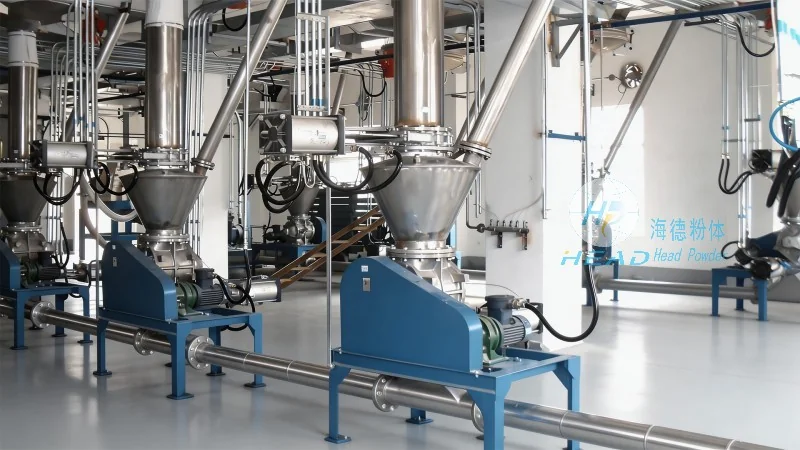
5. System Shutdown: When the conveying operation is complete, the system is shut down in a controlled manner. The air compressor is turned off, and the conveying lines are depressurized to prevent any residual powder from being released. The system is then cleaned and maintained as per the manufacturer's guidelines to ensure optimal performance for future operations.
The core working principle of the caustic soda powder pneumatic conveying system is based on the movement of powder particles through a gas stream. The system utilizes compressed air to create a flow that carries the caustic soda powder through the conveying pipeline. There are two primary types of pneumatic conveying systems: positive pressure and negative pressure (suction) systems.
In a positive pressure system, the air compressor supplies compressed air to the conveying line, creating a pressure higher than the ambient air pressure. The caustic soda powder is introduced into the line at a specific point, and the air flow propels the powder forward. This method is suitable for short to medium distance conveying and is commonly used in applications where the powder needs to be transported to a higher elevation.
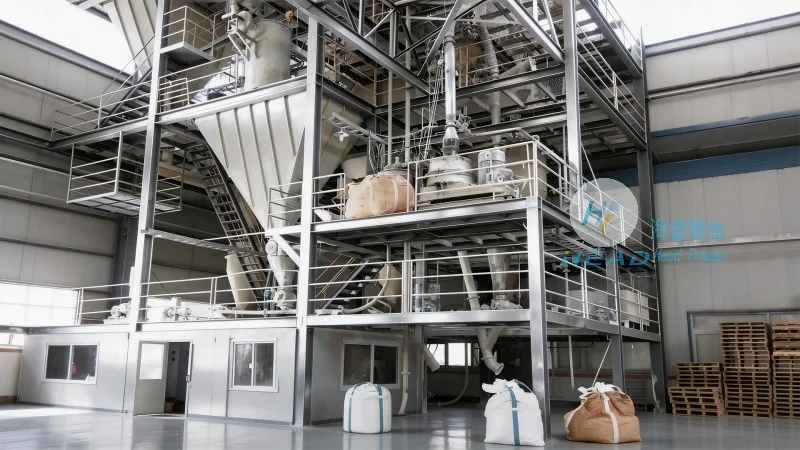
In a negative pressure (suction) system, the air is drawn from the conveying line using a vacuum pump, creating a lower pressure than the ambient air. The caustic soda powder is fed into the line at the receiving end, and the vacuum pulls the powder from the source. This method is ideal for long-distance conveying and for applications where the powder needs to be transported to a lower elevation or where the source is located in a different part of the facility.
The system also incorporates a number of auxiliary components to ensure efficient operation. These include air filters to remove contaminants from the compressed air, dust collectors to capture any powder that may escape during the conveying process, and pressure regulators to maintain consistent pressure levels throughout the system. The use of these components helps to maintain the quality of the caustic soda powder and extends the lifespan of the equipment.
Shandong HeadPowder Engineering Co., Ltd. is a reputable company based in China, specializing in the design, manufacturing, and installation of pneumatic conveying systems for various industrial applications. With a strong commitment to quality and customer satisfaction, the company has built a reputation for providing reliable and efficient solutions for the chemical processing industry. The company's facilities are equipped with advanced technology and skilled personnel, ensuring that each system is tailored to meet the specific needs of the client. The company's address is located in Shandong, China, and it serves clients both domestically and internationally.

 Shandong Headpowder Engineering Co., Ltd.
 156-6277-7102(Manager Zhang)
  0531-83386006
  Zhangqiu District, Jinan City, Shandong Province, China
telephone
WeChatconsult
top