With more than 10‑year industry experience, Shandong Headpowder delivers full‑service pneumatic‑conveying systems and blowers, undertaking nationwide turn‑key powder‑handling projects.
HeadPowder, a leading enterprise in the field of powder handling technology, specializes in the design, manufacturing, and application of pneumatic conveying systems for various industrial materials, including polycrystalline silicon. This article provides an in-depth exploration of the working principle and key characteristics of pneumatic conveying systems specifically tailored for polycrystalline silicon material transport. The company, based in Shandong, China, leverages its expertise to deliver efficient and reliable solutions for the semiconductor and solar energy industries, where the handling of high-purity silicon powders is critical.
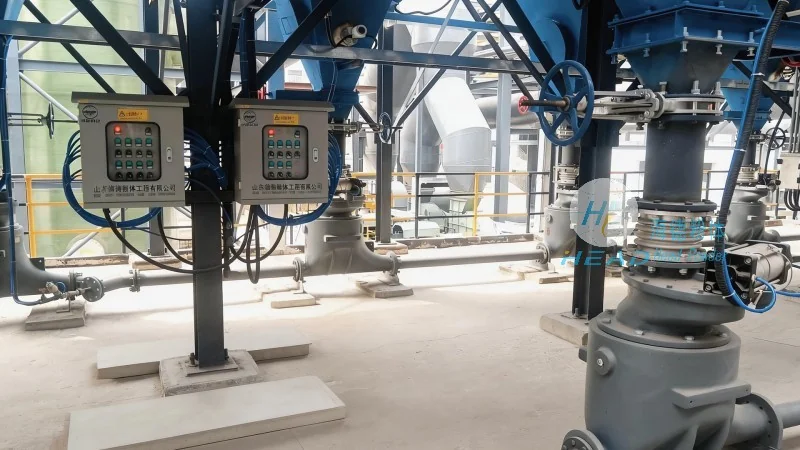
Pneumatic conveying, also known as pneumatic transport, is a method of transporting bulk materials through a pipeline using air or other gas as the conveying medium. For polycrystalline silicon, the system typically operates under positive pressure or negative pressure, depending on the specific application requirements. The core components of a pneumatic conveying system for silicon materials include a material hopper, a feeding device, a conveying pipeline, a gas source (such as a blower or compressor), and a discharge device. The process begins with the polycrystalline silicon material being fed from the hopper into the pipeline. The feeding device, often a rotary valve or a star feeder, controls the flow rate of the material. Simultaneously, the gas source generates a flow of air or gas that moves through the pipeline, creating a pressure differential. This differential pressure propels the silicon particles forward through the pipeline. The conveying process can be categorized into several modes, such as dilute phase conveying (where particles are suspended in the gas stream) and dense phase conveying (where particles move in a more compacted state). For high-purity silicon powders, dilute phase conveying is commonly used to minimize particle degradation and ensure consistent material quality. The system is designed to maintain a stable flow rate and pressure, which is crucial for preventing material blockages and ensuring smooth operation.
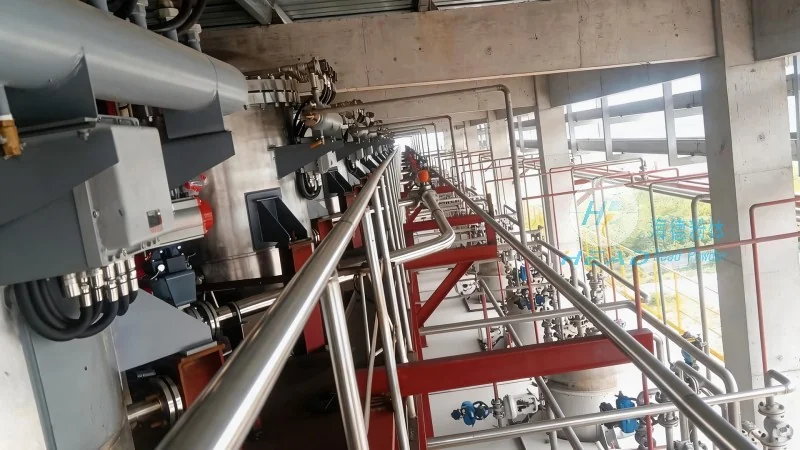
The characteristics of pneumatic conveying systems for polycrystalline silicon are tailored to meet the stringent requirements of the semiconductor and solar industries. These systems exhibit several notable features that distinguish them from conventional bulk material handling methods. First, the systems are engineered for high-purity material handling, as even minor contaminants can affect the performance of silicon-based products. The materials used in the construction of the conveying components, such as pipelines and valves, are typically made from stainless steel or other corrosion-resistant materials to prevent contamination and maintain material integrity. Second, the systems are designed for efficient and low-downtime operation. The use of positive pressure systems helps to prevent dust emissions and maintain a clean working environment, which is essential in cleanroom applications. Third, the systems offer flexibility in terms of material flow rates and pipeline lengths. They can be configured to handle varying quantities of silicon material, from small batches to large-scale production runs, and can accommodate different pipeline configurations, including vertical and horizontal sections. Fourth, the systems are equipped with advanced control systems that allow for real-time monitoring of pressure, flow rate, and material level. This enables operators to adjust the system parameters dynamically, ensuring optimal performance and preventing operational issues. Additionally, the systems are designed for easy maintenance and cleaning, which is critical for maintaining the high-purity standards required for silicon materials. The use of CIP (Clean-in-Place) systems and other cleaning mechanisms helps to ensure that the equipment remains free from contaminants, extending its operational life and reducing maintenance costs.
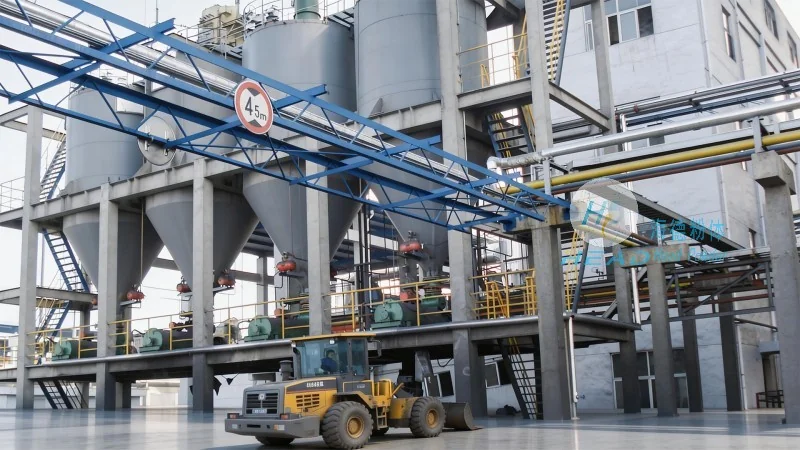
Pneumatic conveying systems for polycrystalline silicon play a vital role in the production processes of semiconductor devices and solar panels. In the semiconductor industry, these systems are used to transport silicon wafers and other high-purity materials from storage to processing equipment. The efficient and clean transport of silicon powders is essential for maintaining the quality of the final products. In the solar industry, the systems are used to handle silicon ingots and wafers during the manufacturing of solar cells. The ability to transport these materials in a controlled environment helps to minimize defects and improve the overall efficiency of the solar panel production process. The benefits of using pneumatic conveying systems for polycrystalline silicon include improved material handling efficiency, reduced labor costs, and enhanced product quality. The systems also contribute to a safer working environment by minimizing dust emissions and preventing material spills. Furthermore, the flexibility of these systems allows manufacturers to adapt to changing production demands, such as scaling up or down production capacity, without significant modifications to the existing infrastructure.
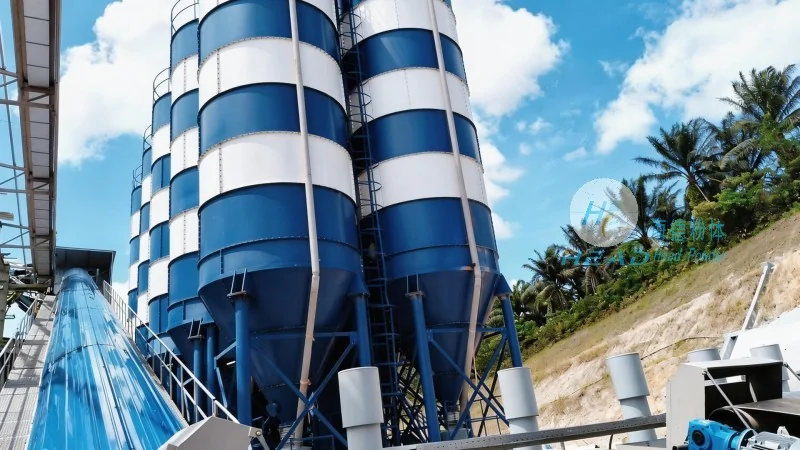
HeadPowder Engineering Co., Ltd., based in Shandong, China, is a trusted provider of pneumatic conveying solutions for polycrystalline silicon material transport. The company's expertise in powder handling technology, combined with its commitment to quality and innovation, has enabled it to deliver reliable and efficient systems that meet the demanding requirements of the semiconductor and solar industries. By leveraging advanced design and manufacturing capabilities, HeadPowder ensures that its pneumatic conveying systems for polycrystalline silicon are tailored to the specific needs of each customer, providing customized solutions that enhance operational efficiency and product quality. The company's focus on continuous improvement and customer satisfaction has established it as a leading player in the industry, offering comprehensive support from system design and installation to maintenance and after-sales service. As the demand for high-purity silicon materials continues to grow, HeadPowder remains at the forefront of developing advanced pneumatic conveying technologies that meet the evolving needs of the industry.

 Shandong Headpowder Engineering Co., Ltd.
 156-6277-7102(Manager Zhang)
  0531-83386006
  Zhangqiu District, Jinan City, Shandong Province, China
telephone
WeChatconsult
top