

What is a Sorghum Material Pneumatic Conveying System? And What Are Its Design Principles?
Sorghum, a versatile cereal grain widely used in food, animal feed, and biofuel production, often requires efficient handling and transportation from storage to processing facilities. A sorghum material pneumatic conveying system is a specialized piece of equipment designed to move this grain through a system using air or gas as the conveying medium. This method offers advantages over traditional mechanical conveyors, such as reduced contamination risk, lower maintenance needs, and the ability to handle fragile or delicate materials like sorghum without damage. Understanding the components and design principles of such a system is crucial for optimizing grain processing operations.
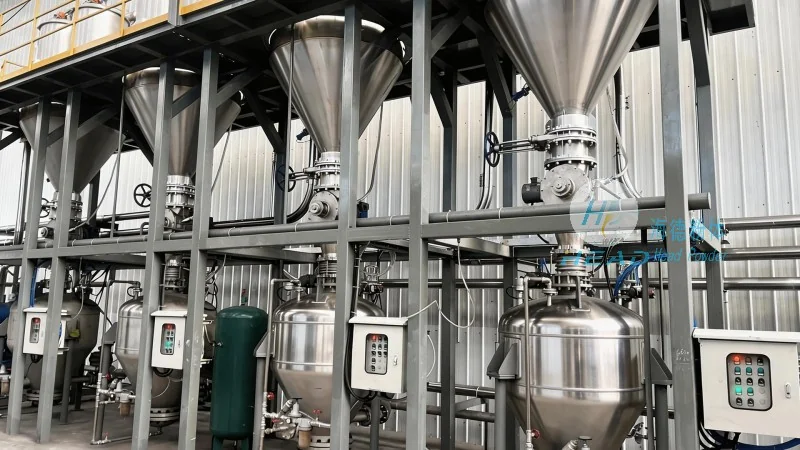
Introduction to Sorghum Material Pneumatic Conveying Systems
A pneumatic conveying system for sorghum typically consists of several key components, including a hopper for material storage, a feeder to control the flow of grain, a conveying line (often made of metal or plastic pipes), a blower or compressor to generate the air flow, and a separator or cyclone to separate the grain from the air at the end of the line. The system operates by introducing sorghum into the hopper, where it is fed into the conveying line under controlled pressure. The air, generated by the blower, moves the grain through the pipes, transporting it to the processing or storage location. The separator then captures the grain and returns the air to the system for reuse, ensuring energy efficiency and minimal waste.
Understanding the Core Components of a Sorghum Pneumatic Conveying System
Each component of the system plays a vital role in ensuring efficient and reliable operation. The hopper, often equipped with a discharge valve or rotary valve, provides a controlled feed of sorghum into the system. The feeder, which may be a screw feeder or a rotary valve, regulates the flow rate to match the system's capacity and prevent overloading. The conveying line is designed to withstand the pressure and friction of moving the grain, with diameters and materials chosen based on the system's operating conditions. The blower or compressor is the heart of the system, providing the necessary air pressure to move the sorghum through the pipes. Finally, the separator, such as a cyclone or bag filter, removes the grain from the air stream, allowing the air to be recirculated and the grain to be directed to its destination.
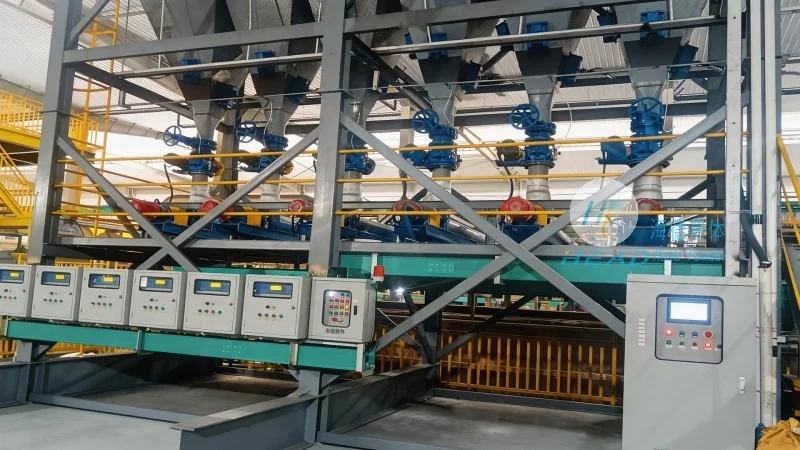
Design Principles for Efficient Sorghum Material Handling
The design of a sorghum pneumatic conveying system follows several key principles to ensure optimal performance. One of the most critical is maintaining the correct air velocity within the conveying line. The air velocity must be high enough to lift and transport the sorghum particles but low enough to prevent excessive wear on the pipes and components. This balance is achieved by calculating the appropriate pressure and flow rates based on the grain's density, size, and moisture content. Another important principle is the system's pressure classification, which can be either positive pressure (where air is forced through the system) or negative pressure (where air is drawn out). Positive pressure systems are commonly used for long-distance or high-capacity conveying, while negative pressure systems are often preferred for shorter distances or where dust control is a priority.
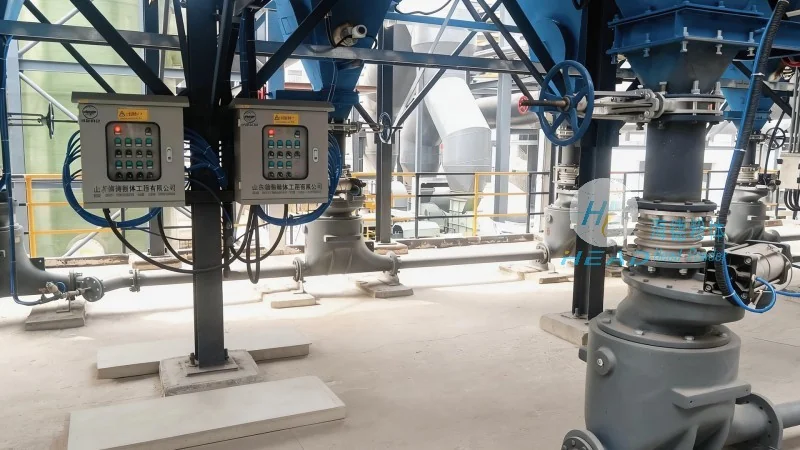
Key Factors in System Design for Sorghum Processing
When designing a pneumatic conveying system for sorghum, engineers must consider several factors to ensure the system meets the specific needs of the processing facility. The first is the grain's physical properties, including its bulk density, particle size distribution, and moisture content. These factors affect the system's capacity and the required air velocity. For example, sorghum with higher moisture content may require a higher air velocity to prevent clogging. The second factor is the system's layout and the distance the grain needs to travel. The layout of the conveying line, including the number of bends and the length of straight sections, impacts the system's efficiency and energy consumption. Engineers must also consider the system's integration with other processing equipment, such as cleaning or drying units, to ensure smooth operation and minimal downtime.
The Role of HeadPowder in High-Quality Sorghum Conveying Solutions
Shandong HeadPowder Engineering Co., Ltd., a leading manufacturer of material handling equipment, specializes in designing and manufacturing high-quality pneumatic conveying systems for various grain applications, including sorghum. With years of experience in the industry, HeadPowder understands the unique challenges of handling sorghum and has developed systems that are tailored to the specific needs of processing facilities. The company's team of engineers uses advanced design principles and materials to create systems that are efficient, reliable, and durable. HeadPowder's facilities are located in Shandong, China, where the company leverages local expertise and resources to provide comprehensive support to its clients. By choosing HeadPowder's sorghum pneumatic conveying systems, processing facilities can improve their operational efficiency, reduce costs, and ensure the quality of their final products.