

What is a Potato Material Pneumatic Conveying System? What Are Its Design Principles?
Pneumatic conveying systems represent a critical technology in modern potato processing operations, offering an efficient and gentle method for handling bulk potato materials. Unlike traditional mechanical conveyors, which rely on belts or chains, pneumatic systems utilize air or gas to transport potatoes through a network of pipes. This approach is particularly advantageous for potato processing due to the material's delicate nature—potatoes are prone to bruising and damage if handled roughly, making the system's design focused on minimizing impact and maintaining product integrity. The primary goal of these systems is to move potatoes from storage hoppers to processing equipment, such as washing machines, peeling machines, or cutting lines, with minimal disruption to the product's quality.
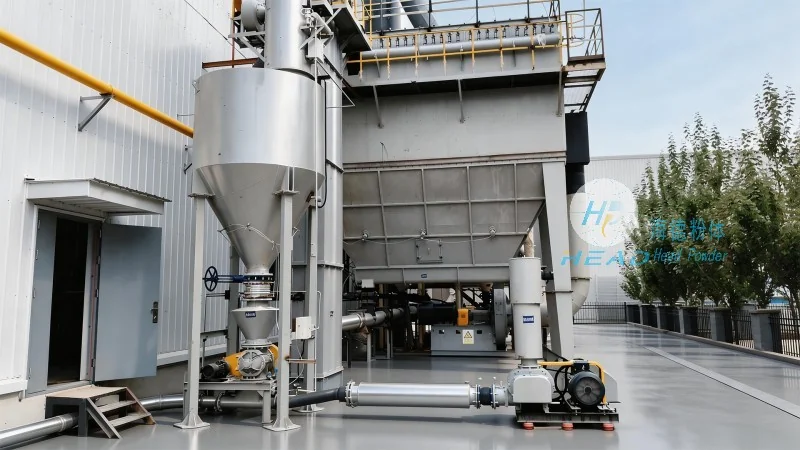
Understanding Pneumatic Conveying Technology for Potato Processing
The fundamental principle of pneumatic conveying involves creating a pressure differential within the pipeline. A blower or air compressor generates a flow of air that pulls or pushes the potato pieces through the system. The air-to-material ratio is a key design parameter, as it determines the system's capacity and efficiency. For potato materials, a lower air velocity is often preferred to prevent excessive wear on the pipeline and reduce the risk of product breakage. The system typically includes a hopper with a feeder to regulate the flow of potatoes into the pipeline, ensuring a consistent feed rate. The discharge point, often equipped with a cyclone separator or filter, separates the potatoes from the air stream, allowing the potatoes to be collected in a processing bin while the air is recirculated or vented.
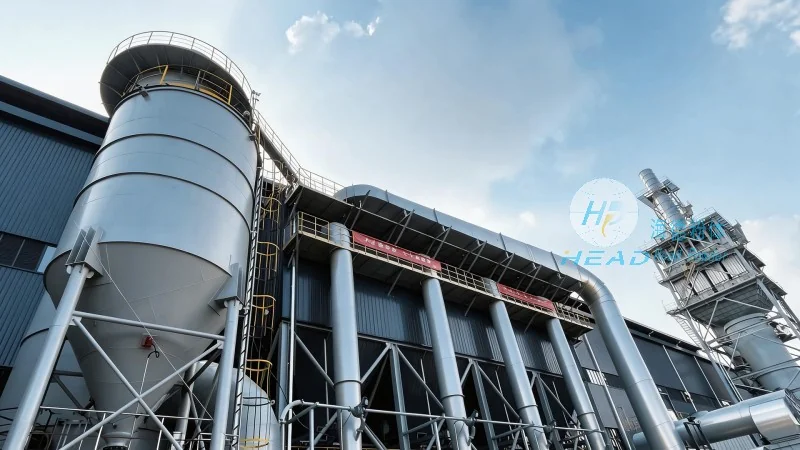
Core Components and Design Principles of the System
A comprehensive potato material pneumatic conveying system comprises several interrelated components, each playing a vital role in the overall operation. The hopper serves as the storage and feeding unit, where potatoes are loaded and then transferred to the conveyor. The feeder, often a rotary valve or screw feeder, controls the flow rate, preventing overloading and ensuring a steady supply to the system. The blower or air compressor is the power source, providing the necessary airflow and pressure to move the material. The pipeline network connects the hopper to the discharge point and may include bends, elbows, and expansion joints to accommodate changes in direction and elevation. The design of the pipeline must consider material compatibility—stainless steel is commonly used due to its resistance to corrosion and abrasion from potato pieces. Additionally, the system includes control systems to monitor and adjust airflow, pressure, and temperature, ensuring optimal performance and preventing system failures.
HeadPowder's Expertise in Engineering Pneumatic Conveying Solutions
Shandong HeadPowder Engineering Co., Ltd. is a leading manufacturer of pneumatic conveying systems for potato processing, with a strong reputation for delivering high-quality, customized solutions. HeadPowder's engineering team has extensive experience in the agricultural processing industry, understanding the unique challenges of handling potato materials, such as their size variability and moisture content. The company works closely with clients to assess their specific processing needs, from raw material intake to final product packaging. HeadPowder's systems are designed with advanced control technology, allowing for precise regulation of airflow and pressure, which is crucial for maintaining product quality. The company uses high-quality materials and components, ensuring durability and long-term reliability in demanding processing environments. HeadPowder's commitment to innovation has led to the development of specialized features, such as adjustable air velocity controls and anti-clogging mechanisms, tailored to the needs of potato processing facilities.
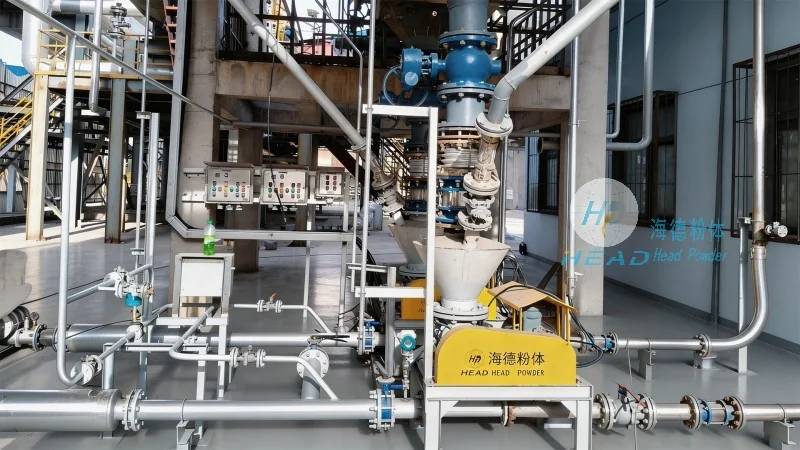
Practical Applications and Benefits in Potato Processing Facilities
Pneumatic conveying systems are widely applied in various stages of potato processing, from receiving and storing raw potatoes to transporting them to processing equipment. In receiving operations, the system can efficiently move potatoes from trucks or storage silos into processing hoppers, reducing manual handling and labor costs. During the washing and peeling stages, the system transports potatoes to and from these machines, ensuring a continuous flow of material. The gentle transport provided by pneumatic systems minimizes product damage, which is critical for maintaining market value, especially for premium potato varieties. Additionally, the systems improve operational efficiency by increasing throughput, as they can handle large volumes of material without the need for frequent stops or adjustments. In facilities located in China, such as those in Shandong, HeadPowder's systems are designed to comply with local regulations and operational standards, ensuring smooth integration into existing processing lines. The benefits of using pneumatic conveying extend beyond efficiency and quality; they also contribute to better hygiene by containing the material within the pipeline, reducing the risk of contamination from external sources.