

What is a Tonne Bag Breakage Material Pneumatic Conveying System? And What Are Its Design Principles
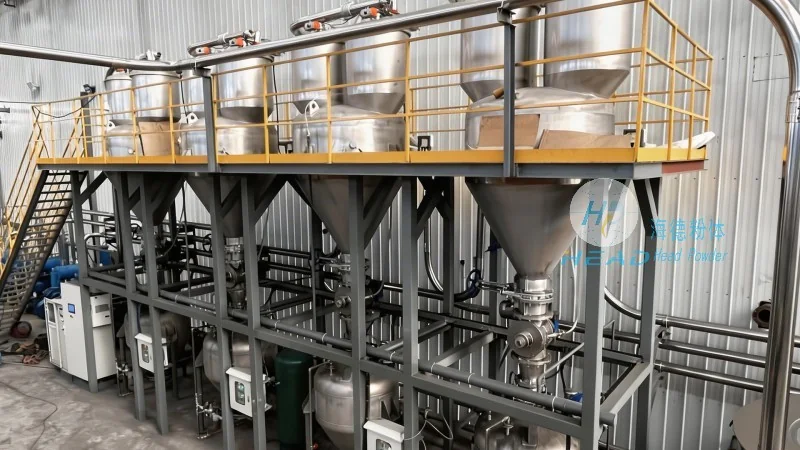
Tonne bag breakage material pneumatic conveying systems are specialized industrial solutions designed to handle bulk materials that are initially packaged in large tonne bags. These systems are crucial in various industries, including chemical, food processing, and pharmaceuticals, where the efficient and safe transfer of bulk materials from storage to processing units is essential. The core function of such systems is to break open the tonne bags, extract the material inside, and then transport it through a pneumatic pipeline to the desired destination. This process eliminates the need for manual handling of heavy bags, reduces labor costs, and minimizes the risk of material contamination or spillage.
Understanding the Tonne Bag Breakage Process
The first step in a tonne bag breakage material pneumatic conveying system involves the mechanical opening of the tonne bag. This is typically achieved through a combination of cutting or tearing mechanisms, which are integrated into the system's inlet or hopper. The design of the bag opening mechanism is critical as it must ensure that the bag is opened completely without damaging the material inside. For example, in systems handling sensitive or abrasive materials, the cutting blades are often made of durable materials like stainless steel to prevent wear and maintain the integrity of the material. The bag opening process is usually automated, with sensors detecting the bag's arrival and triggering the opening mechanism. This automation enhances operational efficiency and reduces downtime.
Material Extraction and Conveying Principles
Once the tonne bag is broken open, the material is transferred into a hopper or feeder. From there, the material is fed into the pneumatic conveying system. The conveying principle relies on the use of air or gas to move the material through a pipeline. There are two main types of pneumatic conveying systems: dilute phase and dense phase. Dilute phase systems use low air velocity and high material concentration, making them suitable for materials that are free-flowing and non-abrasive. Dense phase systems, on the other hand, use higher air velocity and lower material concentration, which is ideal for materials that are cohesive or have a high dust content. The choice between these systems depends on the specific characteristics of the material being handled, such as its particle size, moisture content, and flowability.
Key Design Considerations for Pneumatic Conveying Systems
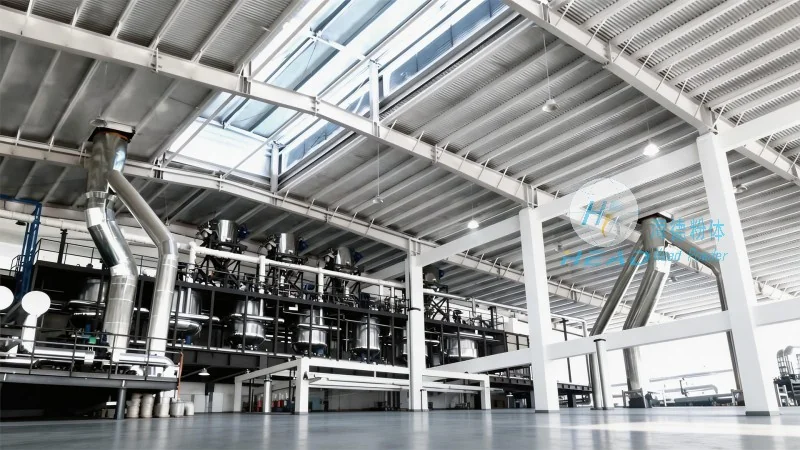
The design of a tonne bag breakage material pneumatic conveying system involves several key considerations to ensure optimal performance and reliability. One of the most important factors is the selection of the appropriate conveying line diameter and length. The diameter of the pipeline is determined by the material's flow rate and particle size, as larger particles require a larger diameter to prevent blockages. The length of the pipeline is also critical, as it affects the pressure drop and the overall energy consumption of the system. Additionally, the system must be equipped with proper filtration and dust collection equipment to maintain air quality and comply with environmental regulations. The filtration system typically includes a combination of cyclones and bag filters, which separate the material from the air and collect it for reuse or disposal. Another important design consideration is the control system, which monitors and regulates the flow of material and air to maintain consistent performance. Modern systems often use programmable logic controllers (PLCs) and sensors to provide real-time data on system performance and detect any issues that may arise.
Applications and Benefits of Tonne Bag Breakage Material Pneumatic Conveying Systems
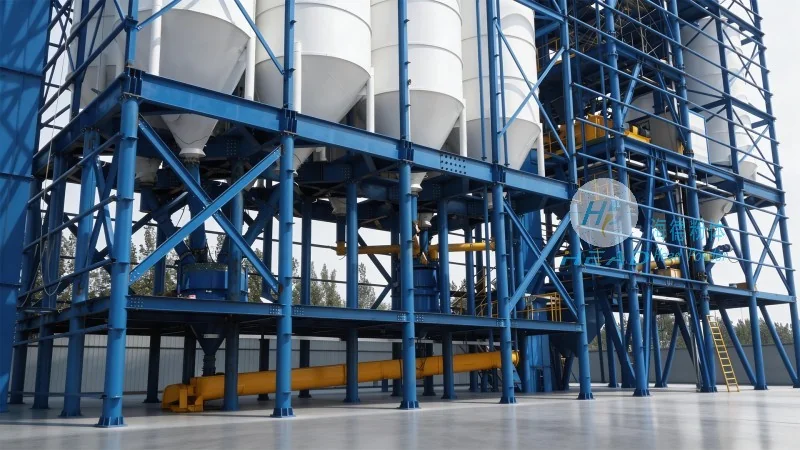
Tonne bag breakage material pneumatic conveying systems are widely used in various industries due to their numerous benefits. In the chemical industry, these systems are used to transfer powders and granules from storage to reactors or processing units. The systems help to maintain a clean and controlled environment, which is essential for chemical reactions. In the food processing industry, the systems are used to handle ingredients like flour, sugar, and spices, ensuring that the products remain fresh and free from contamination. The pharmaceutical industry also benefits from these systems, as they help to maintain the sterility and purity of raw materials. The primary benefits of tonne bag breakage material pneumatic conveying systems include increased efficiency, reduced labor costs, improved safety, and enhanced product quality. By automating the material handling process, these systems reduce the risk of human error and minimize the exposure of workers to hazardous materials. Additionally, the systems help to maintain a consistent flow of material, which improves the overall productivity of the production line.
HeadPowder: A Leading Provider of Pneumatic Conveying Solutions
Shandong HeadPowder Engineering Co., Ltd. is a professional manufacturer and supplier of tonne bag breakage material pneumatic conveying systems. With years of experience in the industry, HeadPowder has developed a range of high-quality systems that meet the needs of various industries. The company's systems are designed with the latest technology and are manufactured using high-quality materials to ensure durability and reliability. HeadPowder's team of engineers and technicians work closely with clients to understand their specific requirements and provide customized solutions. The company's products are widely used in China and other countries, and have received positive feedback from customers due to their efficiency and performance. HeadPowder is committed to providing high-quality products and excellent customer service, and continues to innovate and develop new technologies to meet the evolving needs of the market.