

What is a Denitrification Fly Ash Material Pneumatic Conveying System? What are its Design Principle
Denitrification fly ash, a byproduct of flue gas desulfurization and denitrification processes in thermal power plants, presents unique challenges for material handling. The pneumatic conveying system designed for transporting this material efficiently is a specialized solution that integrates advanced engineering principles to ensure safe, reliable, and environmentally friendly operation. This article explores the concept of a denitrification fly ash material pneumatic conveying system and delves into its core design principles, highlighting the technical aspects that make it an essential component in modern power plant operations.
Introduction to Denitrification Fly Ash and Pneumatic Conveying Systems
Denitrification fly ash, often referred to as "denitration ash," is a fine particulate material generated during the removal of nitrogen oxides from flue gases. It typically contains high concentrations of calcium compounds and other inorganic substances, making it a heavy and abrasive material to handle. Traditional bulk material handling methods, such as belt conveyors or screw conveyors, may not be suitable due to the material's properties, which can cause wear and tear on equipment and lead to operational inefficiencies. Pneumatic conveying systems offer a viable alternative by utilizing air as the conveying medium to transport the ash from the denitrification unit to storage or disposal facilities.
HeadPowder Engineering: A Leader in Pneumatic Conveying Solutions
Shandong HeadPowder Engineering Co., Ltd., a prominent company based in China, specializes in the design, manufacturing, and installation of advanced pneumatic conveying systems tailored for industrial applications. With a strong focus on innovation and customer-centric solutions, HeadPowder has established itself as a trusted partner for power plants and other industrial facilities seeking reliable material handling solutions. The company's expertise lies in understanding the unique characteristics of denitrification fly ash and translating them into effective system designs that meet operational requirements while ensuring compliance with environmental regulations.
Core Design Principles of the Pneumatic Conveying System
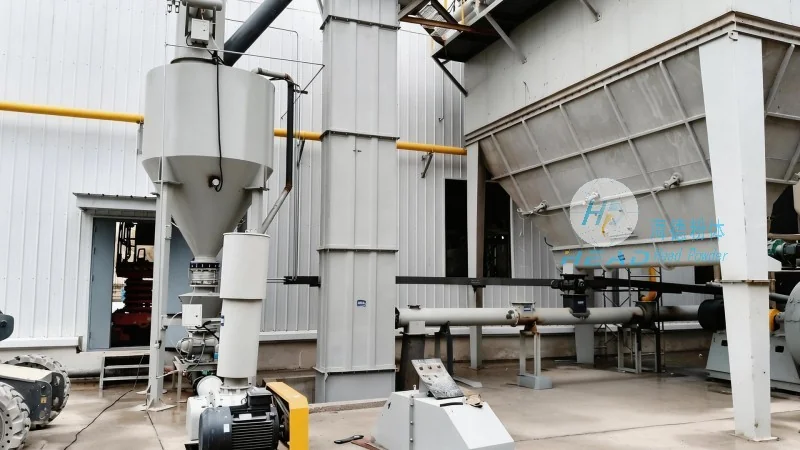
The design of a denitrification fly ash material pneumatic conveying system is governed by several key principles aimed at optimizing performance, efficiency, and safety. The first principle is the selection of an appropriate conveying method, which can be categorized into pressure or vacuum systems. Pressure systems, where air is compressed and introduced at the material feed point, are commonly used for short to medium-distance conveying of abrasive materials like fly ash. Vacuum systems, on the other hand, are suitable for longer distances or when the material needs to be collected from multiple sources. The choice between these methods depends on factors such as the distance to be covered, the volume of material to be conveyed, and the layout of the plant.
Another critical design principle is the selection of the right type of air compressor and blower. For pressure systems, high-pressure blowers or positive displacement compressors are typically used to generate the necessary air pressure to move the material through the pipeline. The compressor's capacity must be matched to the system's requirements to avoid underperformance or excessive energy consumption. In vacuum systems, centrifugal blowers or roots blowers are commonly employed to create a negative pressure that draws the material into the pipeline. The efficiency and reliability of the compressor are crucial for maintaining consistent material flow and preventing system downtime.
System Components and Their Functions
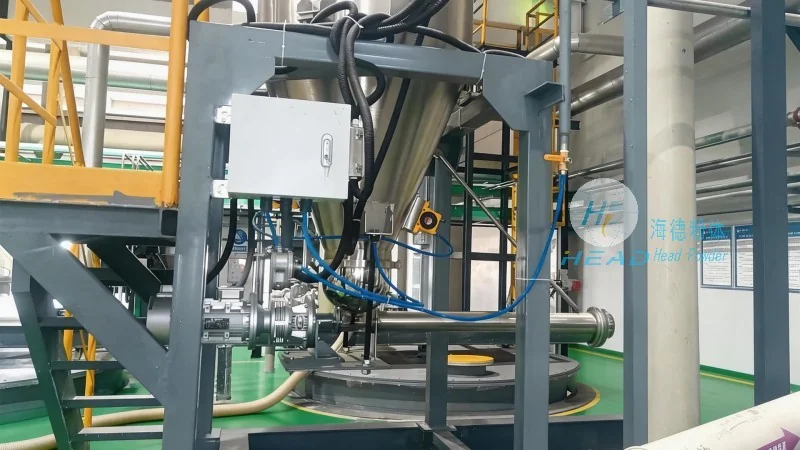
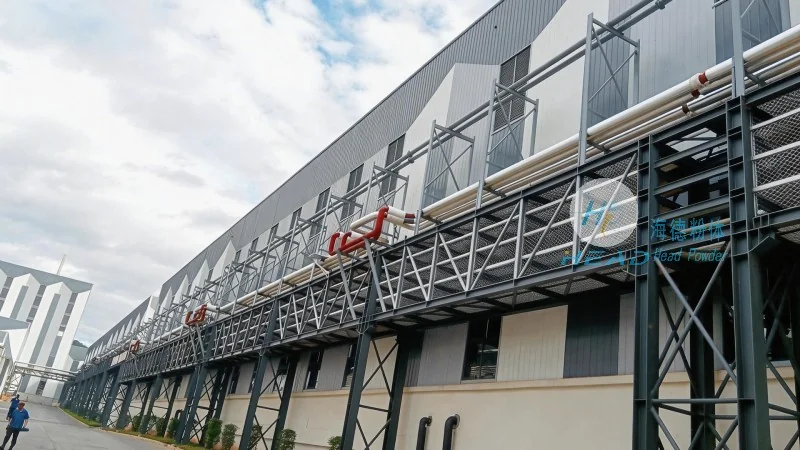
A denitrification fly ash pneumatic conveying system typically consists of several key components, each playing a vital role in the overall operation. The primary components include the material feed system, conveying pipeline, air separation and cleaning system, and control and monitoring equipment. The material feed system is responsible for introducing the fly ash into the conveying pipeline. This can be achieved through various mechanisms, such as rotary valves, star feeders, or pressure vessels, which ensure a consistent and controlled flow of material into the system. The conveying pipeline, usually made of stainless steel or other corrosion-resistant materials, is designed to withstand the abrasive nature of the fly ash and maintain the air-mass mixture under pressure or vacuum.
The air separation and cleaning system is a critical component that separates the material from the air after it reaches the destination point. This is typically done using cyclone separators or bag filters, which capture the fly ash particles and return them to the storage or disposal area. The separated air is then filtered and recycled back into the system to minimize energy loss and environmental impact. The control and monitoring equipment, including sensors for pressure, flow, and temperature, ensures that the system operates within safe and efficient parameters. These sensors provide real-time data to the control system, allowing for adjustments to be made as needed to maintain optimal performance.
Advantages and Applications of the System
The use of a pneumatic conveying system for denitrification fly ash offers several advantages over traditional handling methods. One of the main benefits is the reduction in equipment wear and tear, as the material is conveyed without direct contact with mechanical components. This leads to lower maintenance costs and longer equipment life. Additionally, pneumatic systems can handle high volumes of material efficiently, making them suitable for large-scale power plants. The system also provides a closed-loop operation, which helps in controlling dust emissions and maintaining environmental compliance. This is particularly important in regions with strict air quality regulations.
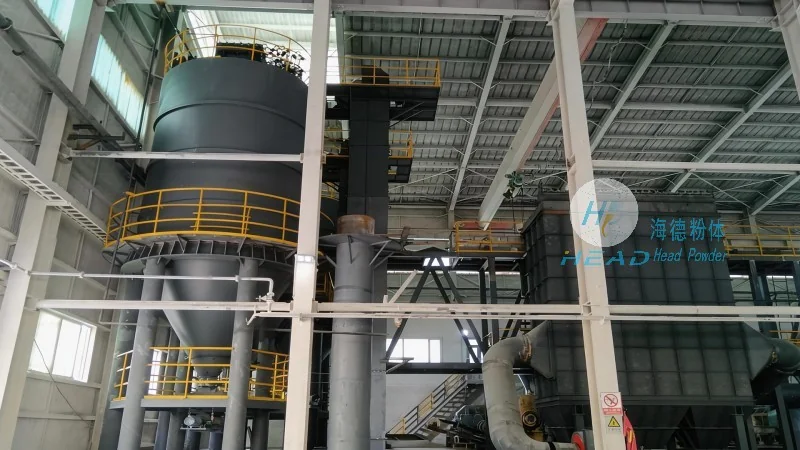
Denitrification fly ash material pneumatic conveying systems are widely used in thermal power plants, where they are integrated into the overall flue gas treatment process. The system transports the ash from the denitrification unit to a storage silo or a disposal site, ensuring that the material is handled safely and without causing environmental pollution. The design of the system is tailored to the specific requirements of each power plant, taking into account factors such as the ash's characteristics, the distance to be covered, and the available space for equipment installation.
Conclusion
In conclusion, a denitrification fly ash material pneumatic conveying system is a sophisticated engineering solution that addresses the unique challenges of handling this industrial byproduct. The system's design, based on principles of pneumatic transport, ensures efficient and reliable material movement while minimizing environmental impact. Companies like Shandong HeadPowder Engineering Co., Ltd. play a crucial role in developing and implementing these systems, providing power plants with the tools they need to operate efficiently and sustainably. As power generation continues to evolve, the importance of such specialized material handling systems will only grow, making them an essential component of modern industrial operations.