

What is a Zircon Sand Material Pneumatic Conveying System? What Are Its Design Principles?
Zircon sand, a key industrial material, is widely used in various applications such as ceramics, refractory materials, and chemical industries. The efficient and reliable transportation of zircon sand is crucial for industrial processes. Pneumatic conveying systems have emerged as a preferred solution for handling zircon sand due to their ability to transport materials in a dust-free environment, reduce labor costs, and enhance operational safety. This article explores the concept of zircon sand pneumatic conveying systems and delves into their fundamental design principles.
Understanding Zircon Sand and Its Handling Challenges
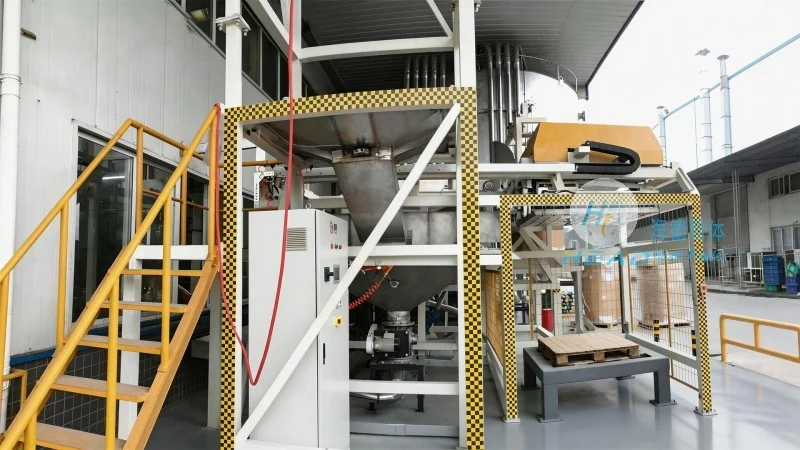
Zircon sand, also known as zirconium silicate, is a naturally occurring mineral composed of zircon (ZrSiO₄) and other impurities. It is characterized by its high refractoriness, chemical stability, and excellent thermal properties, making it indispensable in high-temperature applications. However, handling zircon sand presents unique challenges. The material is often abrasive, fine-grained, and can generate dust during handling, which poses health and safety risks. Traditional methods like belt conveyors or bucket elevators may not be suitable due to the risk of material degradation or contamination. Pneumatic conveying systems address these challenges by providing a closed-loop transport system that minimizes dust exposure and ensures the integrity of the material.
Core Components of a Zircon Sand Pneumatic Conveying System
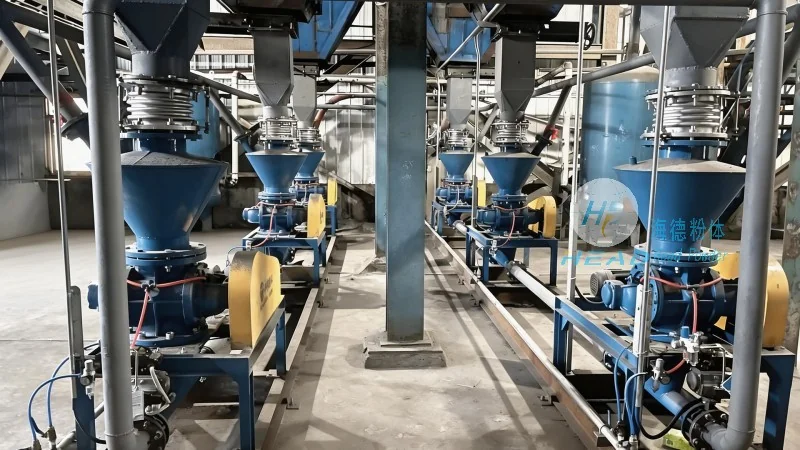
A typical zircon sand pneumatic conveying system consists of several key components that work in tandem to achieve efficient material transport. The main components include a material feeder, a conveying line (usually a pipeline), a pressure vessel or receiver, a vacuum or pressure pump, and a control system. The material feeder is responsible for feeding the zircon sand into the conveying line at a controlled rate, ensuring consistent flow. The conveying line, often made of stainless steel or other corrosion-resistant materials, transports the material under pressure or vacuum. The pressure vessel or receiver collects the conveyed material and may include a filtration system to separate any entrained air or dust. The pump, which can be a positive displacement blower or a vacuum pump, generates the necessary pressure or vacuum to move the material through the system. The control system monitors and regulates the operation of the components, ensuring optimal performance and safety.
Design Principles for Zircon Sand Pneumatic Conveying Systems
The design of a zircon sand pneumatic conveying system involves several critical principles to ensure efficient and reliable operation. The first principle is the selection of the appropriate conveying method, which can be either pressure or vacuum. Pressure conveying is suitable for short to medium distances and high material flow rates, while vacuum conveying is ideal for longer distances or when the material needs to be transported from multiple sources. The second principle is the calculation of the required air velocity and pressure. The air velocity must be sufficient to lift and transport the zircon sand particles without causing excessive wear on the conveying line or components. The pressure or vacuum level must be optimized to ensure the material moves smoothly without clogging or separation. The third principle is the sizing of the conveying line and components. The diameter of the pipeline is determined based on the material flow rate and air velocity, ensuring that the system can handle the required volume of zircon sand. The material of construction for the pipeline and components is also critical, as zircon sand is abrasive and can cause wear over time. Stainless steel or special alloys are commonly used to withstand the abrasive nature of the material. The fourth principle is the incorporation of safety features. Pneumatic conveying systems must include safety valves, pressure relief devices, and dust collection systems to prevent accidents and protect the environment. These features ensure that the system operates within safe limits and complies with industrial safety regulations.
Advantages of Zircon Sand Pneumatic Conveying Systems
Zircon sand pneumatic conveying systems offer several advantages over traditional material handling methods. One of the primary advantages is the ability to transport the material in a dust-free environment, which improves worker safety and reduces the risk of respiratory diseases. The closed-loop system also minimizes material loss and contamination, ensuring the quality of the zircon sand remains high. Another advantage is the reduction in labor costs, as the system can operate continuously with minimal human intervention. The system also reduces the need for maintenance compared to traditional conveyors, as there are fewer moving parts and less wear and tear. Additionally, pneumatic conveying systems can handle zircon sand from multiple sources and transport it to different destinations without the need for intermediate storage or handling, improving overall operational efficiency.
Applications of Zircon Sand Pneumatic Conveying Systems
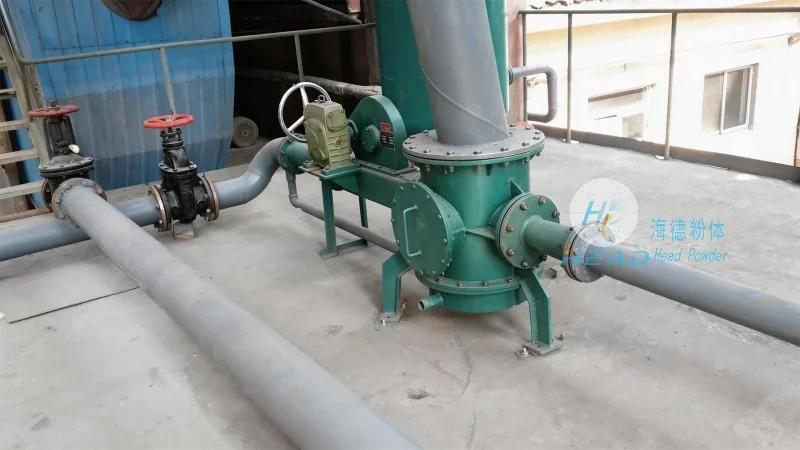
Zircon sand pneumatic conveying systems are widely used in various industries that utilize zircon sand as a raw material. In the ceramics industry, the system is used to transport zircon sand from storage silos to production lines, ensuring a consistent supply of high-quality material. In the refractory industry, the system is used to transport zircon sand to kilns and other high-temperature equipment, where it is used to make refractory bricks and other products. In the chemical industry, the system is used to transport zircon sand to processing plants, where it is used as a raw material for various chemical products. The system is also used in the construction industry for transporting zircon sand to construction sites, where it is used as a component in concrete and other building materials. Overall, zircon sand pneumatic conveying systems are an essential part of the supply chain for zircon sand, ensuring that the material is transported efficiently and safely to its final destination.
Conclusion
Zircon sand pneumatic conveying systems are a critical component of modern industrial processes, providing efficient and reliable transportation of zircon sand while addressing the unique challenges associated with handling this material. The design principles of these systems, including the selection of the appropriate conveying method, calculation of air velocity and pressure, sizing of components, and incorporation of safety features, are crucial for ensuring optimal performance. The advantages of these systems, such as dust-free operation, reduced labor costs, and improved material quality, make them a preferred choice for many industries. As the demand for zircon sand continues to grow, the importance of efficient and reliable pneumatic conveying systems will only increase. Companies like Shandong HeadPowder Engineering Co., Ltd. play a vital role in designing and manufacturing these systems, ensuring that industries can meet their production needs while maintaining safety and efficiency.