With more than 10‑year industry experience, Shandong Headpowder delivers full‑service pneumatic‑conveying systems and blowers, undertaking nationwide turn‑key powder‑handling projects.
When it comes to efficiently transporting bulk materials like salt powder, pneumatic conveying systems offer a reliable and efficient solution. These systems are widely used in various industries, including food processing, chemical manufacturing, and mining, due to their ability to handle fine powders with minimal dust and contamination. This article will delve into the working principle and key features of salt powder pneumatic conveying lines, providing insights into how they operate and the advantages they bring to material handling processes.
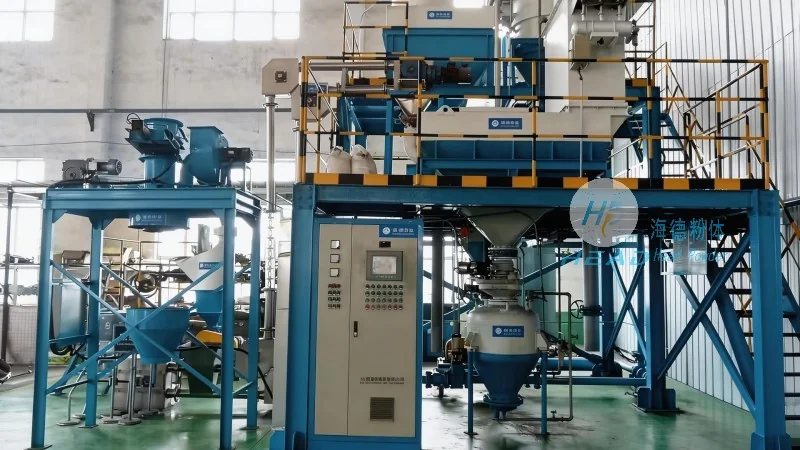
HeadPowder, a leading manufacturer in the field, specializes in designing and manufacturing high-quality pneumatic conveying equipment tailored to the specific needs of clients. With a strong presence in Shandong, China, the company leverages its expertise to deliver innovative solutions that enhance operational efficiency and product quality. The following sections will explore the fundamental mechanisms behind these systems and the distinctive characteristics that make them indispensable in modern industrial applications.
The core of a salt powder pneumatic conveying system lies in its ability to transport dry powders through a pipeline using compressed air or other gas. The process typically involves several key components, including a hopper for material storage, a feeder to control the flow rate, a conveyor line with appropriate fittings and valves, and a receiver for the discharged material. The working principle can be broken down into the following steps:
First, the salt powder is fed from the hopper into the conveyor line. A feeder, often a rotary valve or a screw feeder, regulates the flow of material to ensure a consistent and controlled rate. Simultaneously, compressed air is introduced into the system, creating a pressure differential that propels the powder particles through the pipeline. The air and powder mixture travels at high velocity, allowing the material to be transported over long distances with minimal loss or degradation.
As the mixture moves through the conveyor line, it may encounter various components such as bends, expansions, or filters. These elements are designed to maintain the flow of material and prevent blockages or dust accumulation. The receiver at the end of the line collects the discharged salt powder, separating it from the air. The air is then typically filtered and recycled back into the system, reducing energy consumption and environmental impact.
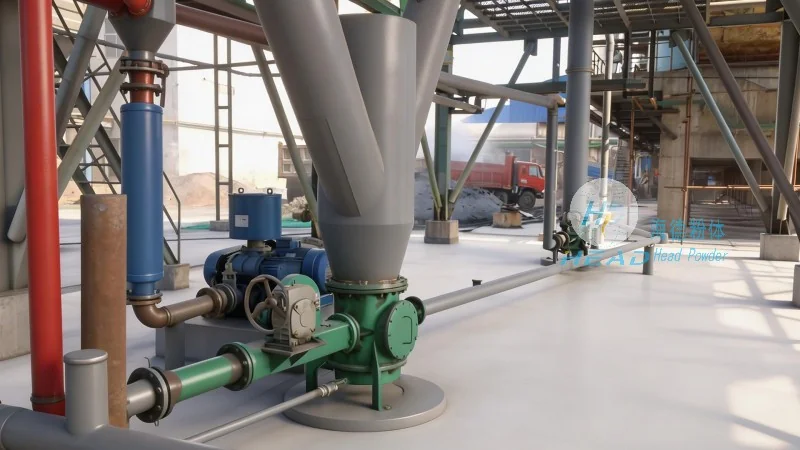
HeadPowder's salt powder pneumatic conveying systems are characterized by several notable features that set them apart from traditional methods. These features are tailored to meet the unique demands of salt powder handling, ensuring optimal performance and reliability. The primary advantages include:
1. Low Dust and Contamination: Unlike mechanical conveyors, pneumatic systems minimize dust generation and exposure, which is crucial for maintaining product purity and safety standards in food and pharmaceutical applications. The enclosed pipeline design prevents material from coming into contact with external contaminants, preserving the quality of the salt powder.
2. Flexibility and Scalability: These systems can be easily adapted to different production requirements, from small-scale operations to large industrial facilities. The modular design allows for expansion or reconfiguration as production needs change, providing long-term value and adaptability.
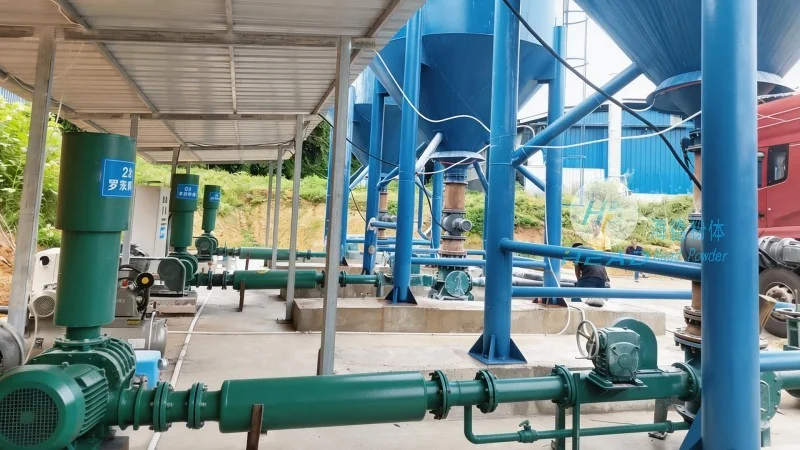
3. Energy Efficiency: By recycling the air used in the conveying process, HeadPowder's systems reduce energy consumption compared to other methods. This not only lowers operational costs but also contributes to a more sustainable and environmentally friendly operation.
4. Reduced Maintenance: The absence of moving parts in the conveying line minimizes wear and tear, leading to lower maintenance requirements and extended equipment lifespan. This results in cost savings and increased uptime for industrial operations.
5. Uniform Material Handling: Pneumatic conveying ensures a consistent flow of salt powder, preventing segregation or clumping that can occur with other methods. This uniformity is essential for maintaining product quality and ensuring consistent performance in downstream processes.
Saltpowder pneumatic conveying systems represent a sophisticated and efficient solution for handling fine powders like salt. The working principle, which relies on compressed air to transport material through an enclosed pipeline, offers numerous advantages over traditional methods. These systems are designed to minimize dust, enhance flexibility, and improve overall operational efficiency. HeadPowder, with its headquarters in Shandong, China, is a trusted provider of such systems, delivering high-quality equipment that meets the demands of modern industrial applications. By leveraging advanced technology and a commitment to quality, the company ensures that its clients receive reliable and effective solutions for their material handling needs.

 Shandong Headpowder Engineering Co., Ltd.
 156-6277-7102(Manager Zhang)
  0531-83386006
  Zhangqiu District, Jinan City, Shandong Province, China
telephone
WeChatconsult
top