With more than 10‑year industry experience, Shandong Headpowder delivers full‑service pneumatic‑conveying systems and blowers, undertaking nationwide turn‑key powder‑handling projects.
Coal ash powder pneumatic conveying systems are essential for the efficient and safe transportation of coal ash from production sites to disposal or utilization facilities. These systems utilize pneumatic technology to move fine coal ash particles through a network of pipes, ensuring reliable material handling with minimal environmental impact. Understanding the working principle and key features of such systems is crucial for industries dealing with coal combustion byproducts, as it directly impacts operational efficiency and compliance with environmental regulations.
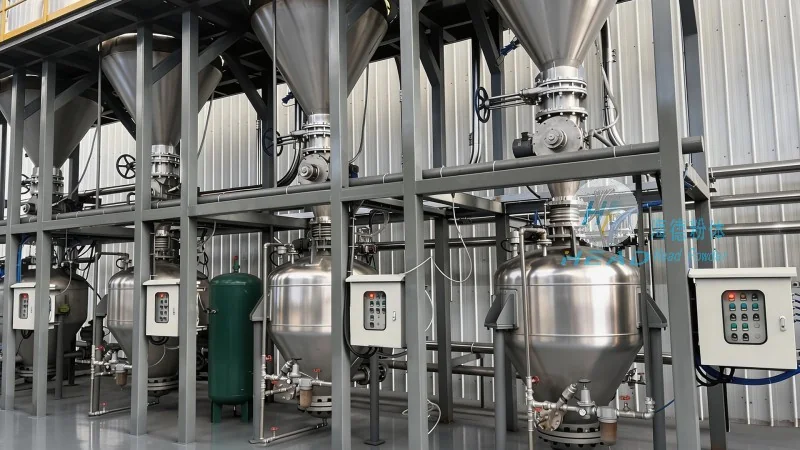
The core working principle of coal ash powder pneumatic conveying systems revolves around the use of compressed air or vacuum to transport fine coal ash particles. There are two primary modes of operation: pressure conveying and vacuum conveying. In pressure conveying, a positive pressure is generated at the inlet of the system, pushing the coal ash particles through the pipeline. This method is typically used for short to medium distance transport and is suitable for applications where the material needs to be moved from a central location to multiple destinations. The system includes components such as a feeder, which meters the coal ash into the pipeline, a compressor or blower that supplies the necessary air pressure, and a pipeline network that transports the material. At the discharge end, a separator or cyclone is used to separate the coal ash from the air stream, allowing the material to be deposited in a designated container or processing unit. The air, now free of particles, is either filtered and recirculated or vented to the atmosphere, depending on the system design and environmental requirements.
Vacuum conveying, on the other hand, operates by creating a negative pressure within the pipeline, drawing the coal ash particles from the source into the system. This method is ideal for long-distance or vertical transport, as it can handle higher material loads and is less affected by the height of the source. The vacuum system includes a vacuum pump, a collection hopper, and a pipeline that connects the source to the discharge point. The coal ash is drawn into the hopper, where it is then transferred to the pipeline through a feeder. The air and particles are then transported to the discharge point, where the separator separates the material from the air. Vacuum conveying systems are often used in applications where the source material is located at a higher elevation or where the material needs to be collected from multiple points.
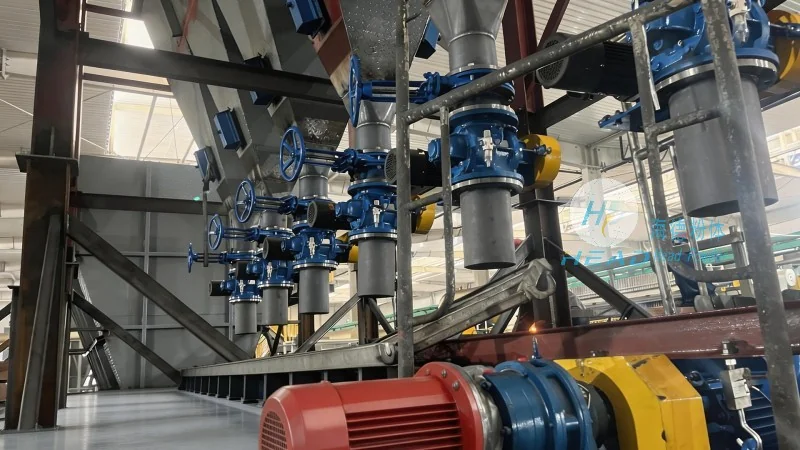
Both modes of operation rely on the same fundamental principles: the creation of a pressure or vacuum differential to move the material, the use of appropriate equipment to handle the specific characteristics of coal ash (such as its fine particle size and potential for dust generation), and the implementation of filtration and separation systems to maintain air quality and prevent material loss. The choice between pressure and vacuum conveying depends on factors such as the distance to be covered, the height of the source, the required material flow rate, and the environmental regulations in the operating area.
Coal ash powder pneumatic conveying systems offer several distinct features that make them a preferred choice for handling coal ash compared to traditional methods like belt conveyors or bucket elevators. One of the most significant advantages is their ability to handle fine, dry coal ash particles without the need for additional moisture or binding agents. This reduces the risk of material agglomeration and ensures consistent flow rates, which is critical for maintaining the efficiency of downstream processing equipment.
Another key feature is the high level of safety and environmental protection provided by these systems. By enclosing the coal ash in a sealed pipeline, the system minimizes dust emissions and prevents the release of harmful particles into the environment. This is particularly important for coal ash, which can contain heavy metals and other contaminants that require strict handling and disposal protocols. The filtration systems used in these systems are designed to capture fine particles, ensuring that the air discharged from the system meets or exceeds regulatory standards for air quality.
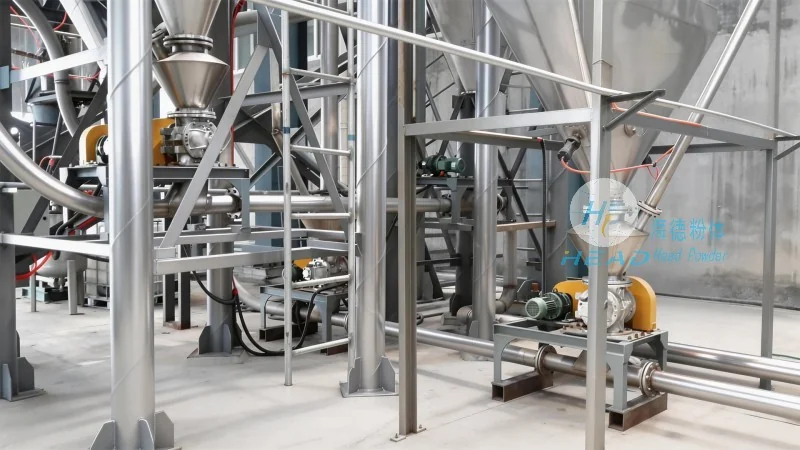
Efficiency is another major feature of coal ash powder pneumatic conveying systems. These systems can achieve high material flow rates with minimal energy consumption, making them cost-effective for both short and long-distance transport. The compact design of the equipment allows for easy integration into existing facilities, reducing the need for extensive modifications or new construction. Additionally, the systems are designed to be low-maintenance, with components such as the feeder and separator being easily accessible for inspection and repair.
Reliability is also a critical feature, as these systems are designed to operate continuously with minimal downtime. The use of robust materials and components, such as stainless steel for the pipeline and high-quality bearings for the feeder, ensures that the system can withstand the abrasive nature of coal ash particles and operate reliably over long periods. The control systems used in modern coal ash powder pneumatic conveying systems are advanced, allowing for real-time monitoring of flow rates, pressure, and temperature. This enables operators to quickly identify and address any issues that may arise, further enhancing the system's reliability and efficiency.
Shandong HeadPowder Engineering Co., Ltd., commonly known as headpowder, specializes in the design, manufacturing, and installation of advanced coal ash powder pneumatic conveying systems. With a focus on innovation and customer satisfaction, the company has developed state-of-the-art solutions that meet the specific needs of industries dealing with coal combustion byproducts. HeadPowder's systems are engineered to handle a wide range of coal ash types, from fly ash to bottom ash, and are designed to comply with the latest environmental regulations and industry standards.
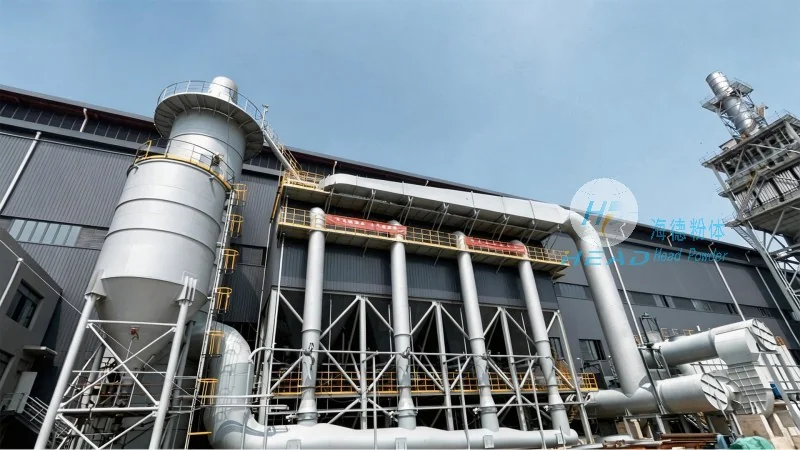
HeadPowder's coal ash powder pneumatic conveying systems are installed in facilities across China, including power plants, cement plants, and waste management facilities. The company's expertise in material handling and pneumatic technology ensures that each system is tailored to the unique requirements of the client, whether it is for short-distance transport within a plant or long-distance transport to a disposal site. The company's commitment to quality and service has made it a trusted partner for many leading companies in the coal and power industries.
By leveraging the working principles and features of coal ash powder pneumatic conveying systems, industries can improve their operational efficiency, reduce environmental impact, and ensure compliance with regulatory requirements. HeadPowder's systems provide a reliable and cost-effective solution for handling coal ash, helping companies to achieve their sustainability goals while maintaining high levels of productivity.

 Shandong Headpowder Engineering Co., Ltd.
 156-6277-7102(Manager Zhang)
  0531-83386006
  Zhangqiu District, Jinan City, Shandong Province, China
telephone
WeChatconsult
top