With more than 10‑year industry experience, Shandong Headpowder delivers full‑service pneumatic‑conveying systems and blowers, undertaking nationwide turn‑key powder‑handling projects.
Sand is a fundamental raw material in the construction and manufacturing industries, serving as a critical component in concrete, mortar, and various industrial processes. As global infrastructure projects expand, the demand for efficient logistics in handling granular materials has surged. Among the various materials requiring transport, sand presents unique challenges due to its bulk density, abrasiveness, and tendency to create dust. Consequently, finding an optimal method for sand conveying is essential for maintaining operational efficiency, reducing labor costs, and ensuring workplace safety. Without a reliable transport system, construction sites and factories face bottlenecks that can delay production schedules and increase operational expenses.
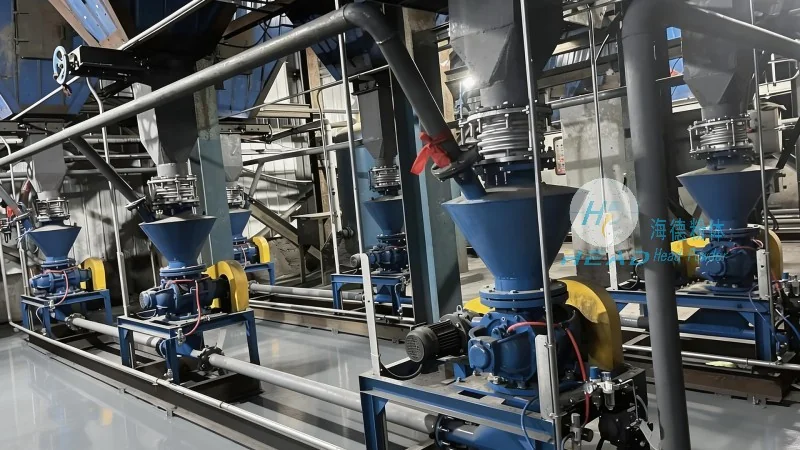
Historically, the transport of sand and other granular materials relied heavily on mechanical methods such as belt conveyors, bucket elevators, and manual labor via wheelbarrows or dump trucks. While these methods have served the industry for decades, they come with significant limitations. Belt conveyors require substantial floor space and are often difficult to install in existing facilities with limited vertical clearance. Furthermore, mechanical systems are prone to mechanical wear and tear, requiring frequent maintenance and replacement of moving parts. Dust pollution is another major drawback of traditional methods, as loose sand can easily become airborne, creating hazardous working conditions and environmental compliance issues.
In contrast, modern material conveying technologies, particularly pneumatic systems, offer a superior alternative. Pneumatic conveying utilizes air pressure to move bulk solids through a pipeline. This method eliminates the need for moving mechanical parts within the pipeline itself, significantly reducing wear and tear and maintenance requirements. By shifting the focus from mechanical friction to fluid dynamics, pneumatic systems provide a cleaner, quieter, and more flexible solution for moving sand from storage silos directly to mixing hoppers or processing units.
At the forefront of this technological advancement is Shandong Headpowder Engineering Co., Ltd., a specialized company dedicated to providing high-quality pneumatic conveying systems. Headquartered in Shandong, China, the company has established itself as a trusted partner for businesses seeking reliable sand pneumatic conveying solutions. The company’s engineering team focuses on designing customized systems that meet the specific needs of each client, whether it is a large-scale concrete batching plant or a smaller manufacturing facility.
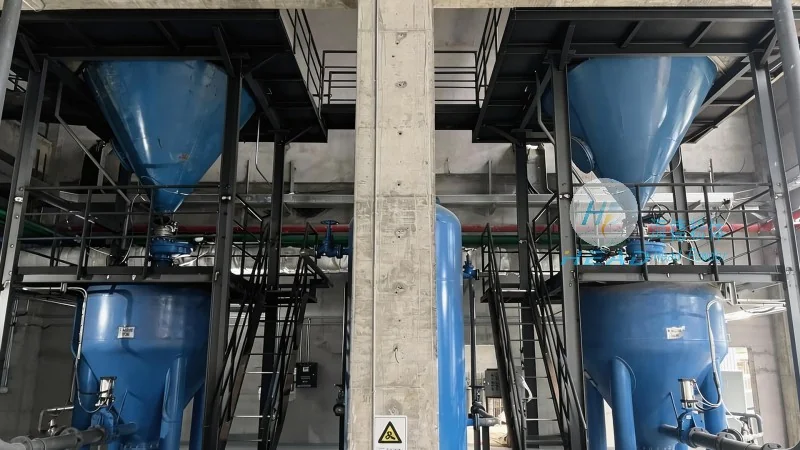
The company's brand, headpowder, is synonymous with reliability and innovation in the field of bulk material handling. By leveraging advanced engineering principles and local manufacturing capabilities in Shandong, Headpowder ensures that their systems are both cost-effective and durable. Their expertise covers the entire spectrum of sand conveying, from the initial design phase to installation, commissioning, and after-sales support. The company understands that every project is unique, and therefore they offer tailored solutions that optimize airflow dynamics and minimize energy consumption.
The technology behind sand pneumatic conveying involves a sophisticated interplay of air compressors, filters, and piping networks. The process generally begins with the generation of pressurized air, which is then mixed with the sand in a feed hopper. This mixture is then transported through a pipeline system to the destination point. The system can operate in two primary modes: dilute phase and dense phase conveying. Dilute phase is characterized by high gas velocity and low solid concentration, making it suitable for short-distance transport. Dense phase, on the other hand, uses higher solid concentration and lower gas velocity, which is ideal for long-distance transport of abrasive materials like sand.
Headpowder's systems are engineered to handle the specific abrasive nature of sand, which can cause significant wear on standard pipes. By utilizing specialized materials and precise control systems, Headpowder ensures that the sand conveying process remains efficient over long periods. The systems are also equipped with advanced dust collection units, ensuring that the working environment remains clean and free of silica dust, which is a critical health concern in sand handling operations. The flexibility of the piping layout allows for routing around existing structures, making it an ideal choice for retrofitting into older facilities where space is at a premium.
Implementing a pneumatic material conveying system offers a multitude of benefits that extend beyond simple transportation. One of the primary advantages is the complete sealing of the system, which prevents the escape of dust and prevents moisture from entering the material stream. This is particularly important for sand, which can clump if it absorbs moisture. Additionally, pneumatic systems are highly automated, reducing the need for manual intervention and minimizing the risk of operator injury. The systems are also capable of conveying materials over varying elevations and horizontal distances, providing a versatile solution for complex site layouts.
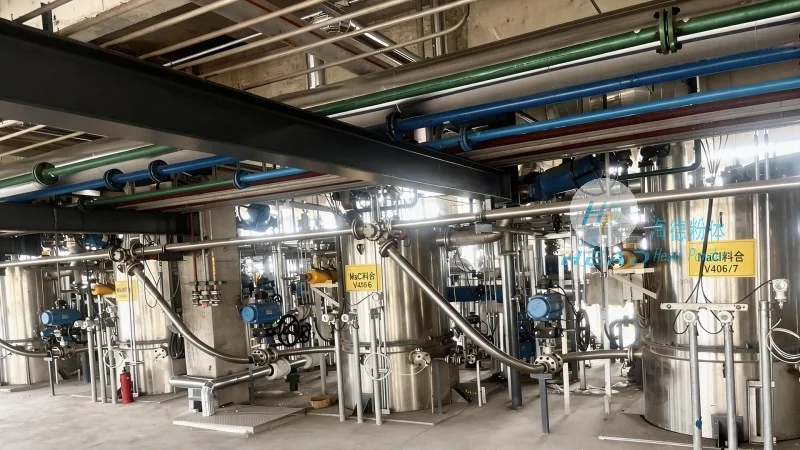
The applications of Headpowder's sand pneumatic conveying systems are vast. They are extensively used in ready-mix concrete plants to transfer sand from storage silos to the mixer. They are also utilized in the glass and ceramic industries, where precise dosing of sand is required. Furthermore, the systems are ideal for handling sand in foundries and casting operations. By automating the sand conveying process, companies can achieve a continuous workflow that significantly boosts productivity and reduces the downtime associated with manual material handling.
For companies looking to upgrade their material handling infrastructure, Shandong Headpowder Engineering Co., Ltd. provides the expertise and technology needed to succeed. Their commitment to quality and customer satisfaction makes them a leading choice for sand conveying solutions. Whether you are dealing with a small-scale project or a large industrial complex, Headpowder has the capacity to deliver a system that meets your operational demands.
To discuss your specific requirements or to request a consultation regarding sand pneumatic conveying and general material conveying needs, please contact their team. You can reach out to Zhang Manager, who is available to provide detailed information and support. For quick communication via instant messaging, you can contact Headpowder directly through WeChat at 15662777102. The Headpowder team is ready to assist you in optimizing your logistics and ensuring the smooth flow of your operations.

 Shandong Headpowder Engineering Co., Ltd.
 156-6277-7102(Manager Zhang)
  0531-83386006
  Zhangqiu District, Jinan City, Shandong Province, China
telephone
WeChatconsult
top