With more than 10‑year industry experience, Shandong Headpowder delivers full‑service pneumatic‑conveying systems and blowers, undertaking nationwide turn‑key powder‑handling projects.
When it comes to transporting silicate glass, there are several methods available, each with its own set of advantages and considerations. Silicate glass, also known as water glass, is a versatile material used in various industrial applications. The choice of delivery method depends on factors such as the material's properties, the distance to be covered, and the specific requirements of the process. In this article, we will explore the different delivery methods for silicate glass and focus on the benefits of pneumatic transport as a leading solution. HeadPowder, a leading manufacturer of silicate glass transport solutions, specializes in providing efficient and reliable pneumatic systems for various industrial applications. With years of experience in the field, HeadPowder has developed advanced technologies to enhance the performance of silicate glass delivery methods.
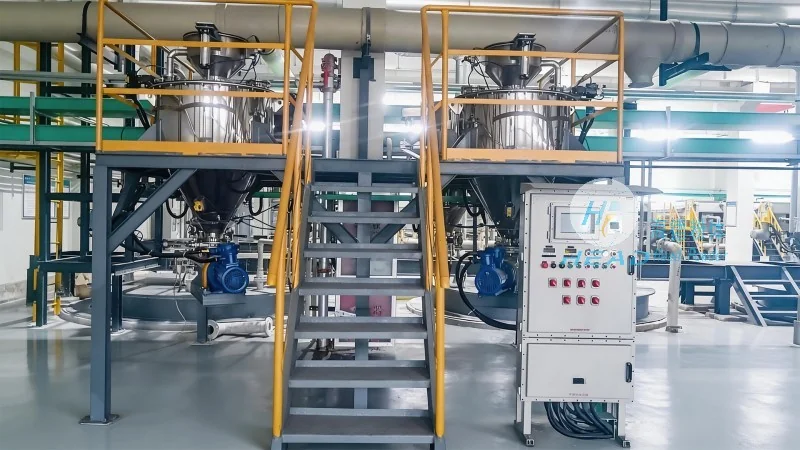
Pneumatic transport, also known as air conveying, is a popular method for moving silicate glass due to its efficiency and ability to handle the material's characteristics. This method involves using air pressure to move the glass particles through a pipeline system. The process typically involves a hopper or feeder that loads the silicate glass into the system, followed by the use of air to propel the material through the pipes. Pneumatic transport offers several key advantages that make it an attractive option for many industries.
One of the primary advantages of pneumatic silicate glass transport is its ability to handle fine particles and powders effectively. Silicate glass often comes in a powdered or granular form, and pneumatic systems are well-suited to move these materials without causing blockages or damage. The air pressure used in the system helps to keep the material suspended and moving smoothly, reducing the risk of clogging or buildup in the pipelines. This makes pneumatic transport ideal for applications where the material needs to be moved over long distances or through complex layouts.
Another significant advantage is the flexibility of pneumatic systems. They can be easily adapted to different production requirements, allowing for adjustments in flow rate, pressure, and material handling. This adaptability makes pneumatic transport suitable for both small-scale and large-scale operations. Additionally, pneumatic systems are relatively low maintenance compared to other transport methods, as they have fewer moving parts and are less prone to mechanical failures. This reduces downtime and maintenance costs for businesses.
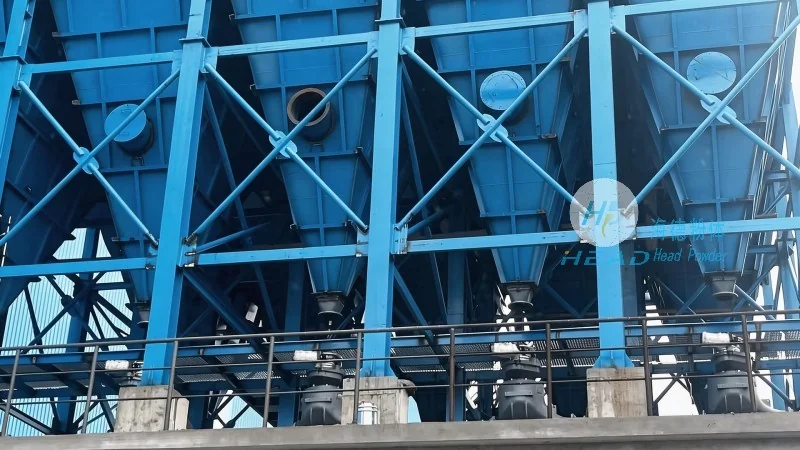
Pneumatic silicate glass transport systems are designed with specific features to enhance performance and efficiency. These systems typically include components such as air compressors, feeders, pipelines, and dust collectors. The air compressor provides the necessary pressure to move the material through the system, while the feeder ensures a consistent flow of silicate glass into the pipeline. The pipelines are often made of materials that are resistant to the corrosive properties of silicate glass, such as stainless steel or special coatings, to prevent damage and ensure longevity.
Dust collectors are an essential part of pneumatic systems, as they help to capture and remove any airborne particles that may be released during the transport process. This not only improves air quality but also prevents the material from being lost or scattered, which can be a significant issue with other transport methods. The combination of these features makes pneumatic silicate glass transport systems reliable and effective for a wide range of applications.
When compared to other delivery methods, such as belt conveyors or bucket elevators, pneumatic transport offers distinct advantages. Belt conveyors are effective for moving bulk materials but may not be suitable for fine powders, as they can cause segregation and clogging. Bucket elevators, on the other hand, are good for vertical transport but may not be efficient for long horizontal distances. Pneumatic transport, however, excels in both horizontal and vertical movement, making it a versatile choice for various industrial settings.
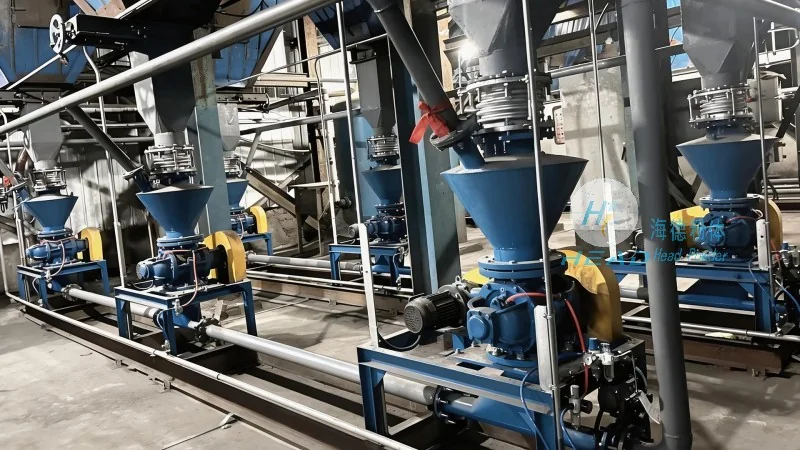
Additionally, pneumatic systems are generally more energy-efficient than other methods. The use of air pressure to move the material reduces the need for mechanical components that consume more energy. This can lead to lower operational costs and a smaller environmental footprint, which is increasingly important for businesses looking to improve their sustainability.
Pneumatic silicate glass transport is widely used in various industries, including construction, glass manufacturing, and chemical processing. In construction, silicate glass is used as a binder in mortars and plasters, and pneumatic transport allows for efficient delivery to job sites. In glass manufacturing, the material is used in the production of glass products, and pneumatic systems help to move it between different stages of the manufacturing process. In chemical processing, silicate glass is used as a catalyst or additive, and pneumatic transport ensures that it is delivered safely and efficiently to the processing units.
The versatility of pneumatic transport makes it suitable for a wide range of applications, from small-scale operations to large industrial plants. Its ability to handle fine particles and adapt to different production requirements makes it a preferred choice for many businesses.

 Shandong Headpowder Engineering Co., Ltd.
 156-6277-7102(Manager Zhang)
  0531-83386006
  Zhangqiu District, Jinan City, Shandong Province, China
telephone
WeChatconsult
top